





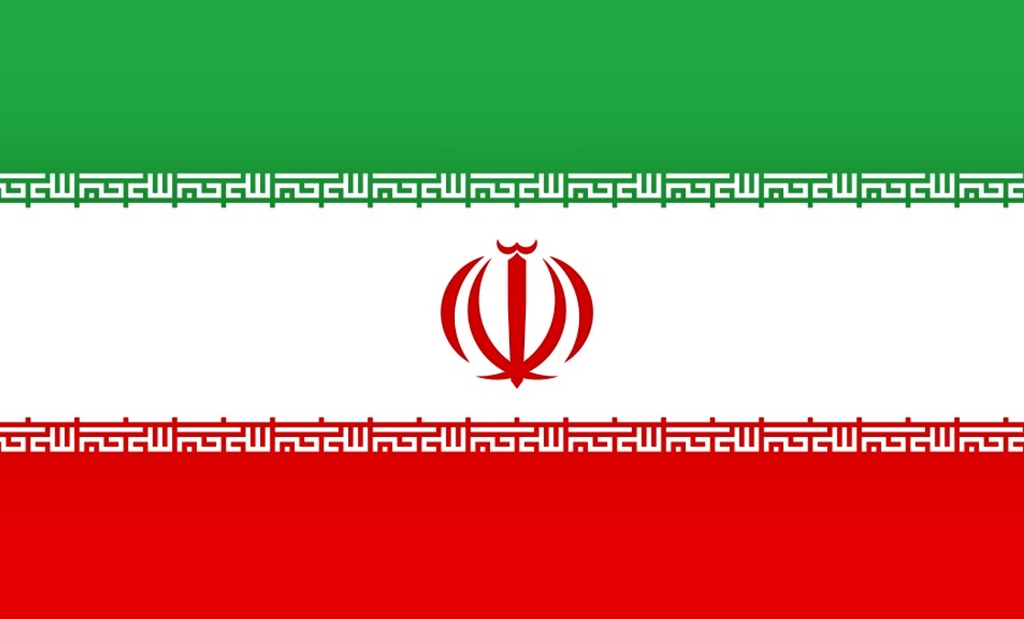
The origin of Iran has always been deeply rooted in ancient history and the rich culture of the region that has been able to develop moment by moment in significant historical civilizations.
In the archaic era, the region was inhabited by peoples of the Iranian plateau, in addition, some of the oldest civilizations in the world developed here, with archaeological sites that date back over 10,000 years such as the Manaeana civilization in Azerbaijan, the Jiroft civilization in Kerman that dates back to (5000 BC) and the Elamite kingdom of (1100 BC).
In addition to this, in 2024 new conflicts of war have emerged between Iran and Israel. Seeing Drones bombers involved, and as a result, the news is still in development.
Empires and Dynasties of Iran
The history of Iran has registered different Empires and Dynasties that have left significant marks on their lands, some of these governments in power of the territory that is today Iran have determined significantly many important aspects of their culture, beliefs and traditions. Here are some of the most important:
- The Median Empire was the first to unify the entire country around the 7th century BC.
- Cyrus the Great established the Empire of Persia in the year 550 BC, which has been considered as the first superpower in history.
- After the conquests of Alexander the Great, the Parthian and Sassanid empires succeeded the Empire of Persia.
- The Muslim conquest of Persia in the year 651 marked the end of the ancient Iranian era.
- The Safavid Dynasty restored the Iranian Empire in 1501, imposing Shia Islam as the official religion.
- Revolution of 1979: It has been governed by successive dynasties until the Revolution of 1979, which gave rise to the current Islamic Republic of Iran.
As we have been able to appreciate, its history is a fascinating mix of ancient civilizations, powerful empires and significant political changes that have marked its history over the centuries.

Origin of the Name
The name “Iran” comes from the region in the south of the country, called Fars/Pars, which is derived from “Parshua”, the place of origin of the ancient Empire of Persia.
The term “Iran” derives from a Sassanid expression, which means “kingdom (or nation) of the Aryans”. It is composed of a genitive plural of the ethnic name in Persian that in ancient Iranian also meant “power and kingdom”.
Official Name
The official name as a country, is “Islamic Republic of Iran”; This name automatically reflects its theocratic government based on the religious principles of Shia Islam.
Delving into its history and territory
In a much broader sense, the history of Iran also covers the “Greater Iran”, which extends from the river Euphrates in the west to the Indus River and the Jaxartes River in the east, and from the Caucasus and the Caspian Sea in the north to the Persian Gulf and the Oman Gulf in the south.
All this territory includes the modern nations of Iran, Azerbaijan, Afghanistan, Turkmenistan, Tajikistan, Uzbekistan and parts of Turkey, Iraq and Pakistan.
It is also worth noting and curious to highlight that Iran could have been called Iranestan, just like these other nearby nations.
However, in Persian, the suffix ‘stán’ only applies to some of the provinces within the territory, such as Lorestán, Kurdistán or Baluchistán, and although for many in the world, Iran is famous for its Persian carpets, it is crucial to know that only a little more than half of the population is Persian. The Azerbaijanis, Kurds, Baluches, Turkmen, Armenians and Arabs also form part of this rich and diverse nation.
Why was the name of Persia changed to Iran?
In 1935, the monarch Reza Pahlavi, who held the titles of Shah of Persia and Shah of Iran, took the decision to officially change the name of his country from Persia to Iran. This transformation had several significant reasons:
Ethnic Variety
The designation of Persia did not reflect the ethnic diversity of the nation, as the term only referred to the Persians, who constituted a part of the population.
National Identity
The change to Iran sought to consolidate national identity and distance itself from Western colonialism that occurred in the 20th century.
Meaning of “Iran”
As Iran means “land of the Aryans” it is already closely related to the Persian language and culture, which resulted in being more representative for all the regions within its bordering zones, as this name encompasses the rich ethnic, cultural and historical diversity of this strategic nation in Western Asia.

Culture, Art and Architecture that prevails in Iran
The Persian poetry is one of the literary jewels that has influenced world culture and comes from this territory, where great poets such as Rumi, Hafez, Saadi and Omar Khayyam have left a lasting legacy.
The so-called Ghazales are lyrical poems and the Rubaiyat consist of the formation of quatrains, both are popular poetic forms in Iran.
Art and Architecture
The Persian carpets are very famous for their intricate design and quality, and it is that each carpet tells a story and represents the artistic skill of those who weave them with patience and belonging.
The Iranian architecture includes wonders such as Persepolis, Imam Mosque and Golestán Palace, upon observing them, one can appreciate the thousands of geometric details and their mosaics that make them very impressive monuments to the world.
Traditional Music
The tar, the setar and the kamancheh are some of the traditional instruments of this country.
The classical Persian music, known as Radif, has a unique structure and is based on melodic modes called dastgah. Simply it is a style of music very own and different from the rest.
festivals and Celebrations
Just like the rest of the countries and regions of the world, Iran also has a large number of festivals and celebrations throughout the year, being the following just some of the most known:
- Nouruz, The Persian New Year is celebrated during the spring equinox, the tradition includes rituals such as the Haft-Seen table.
- Mehregan, is the important and traditional harvest festival.
- Yalda Night, is the celebration of the winter solstice with poetry reading and fruits.
Hospitality and Gastronomy
The Iranians are known in many parts for their warm hospitality, in fact, for them, inviting someone to their homes is a tradition very common.
Their Persian cuisine is delicious and varied, with dishes such as kebab, dizi, fesenjan which consists of a stew of nuts and pomegranate, without leaving aside the charm of their sweets such as shirini nargili which are very popular.
Without a doubt, this country is a mix of history, art, music, poetry and traditions that have evolved over the centuries.
As a final important note, it is necessary to mention that the 90% of its population and its political leaders are Muslims, being this religion that is evident that it prevails in this culture. Therefore, it can be said that this is a population very united at least in terms of religion.