





Zero Hunger returned to the center of the political debate in the Dominican Republic after the criticism of PLD leaders to the declaration associated with the FAO and the official reports that support it.
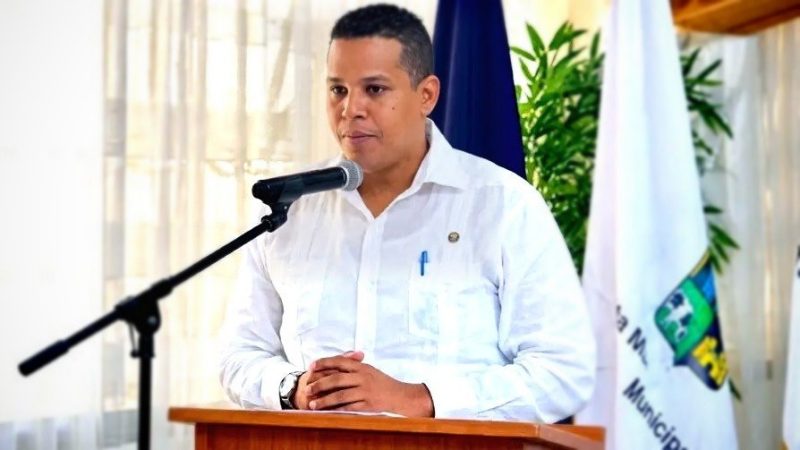
Adriano Sánchez Roa and Geovanny Arias argued that talking about Zero Hunger does not describe the situation of thousands of families who continue to face difficulties in buying rice, chicken, eggs, and other basic products. They also warned that the increase in social spending is not enough to prove a structural improvement in food security.
According to Sánchez Roa, the Zero Hunger declaration is based on statistics that, in his opinion, do not reflect the deterioration of agricultural production or the loss of purchasing power. The leader stated that the country produces only 70.4% of the food it needs, compared to 88.5% attributed to the closure of Danilo Medina’s government.
That contrast, he said, shows a drop of around 18 points in food self-sufficiency. In his reading, Zero Hunger cannot be measured solely by budget resources or assistance programs, but by real and sustained access to a sufficient and nutritious diet.
The FAO and the criterion of food security
The discussion is not minor. The FAO and other organizations usually work with official data from governments, and in the case of Zero Hunger, the debate focuses on whether the numbers capture local production, imports, and effective consumption. The global goal of SDG 2 requires putting an end to hunger and ensuring access to food throughout the year, not just registering availability on paper.
In that framework, Sánchez Roa warned that if reports include imports as part of national production, conclusions about Zero Hunger could be distorted. The former senator also pointed out that the cost of the basic basket has risen faster than incomes.
Zero Hunger and the cost of the table
Geovanny Arias hardened the tone and qualified as offensive to assert that there is Zero Hunger while households continue to eat only one or two times a day. He also said that the per capita consumption of rice would have decreased and that the increase in imports reflects the weakness of sectors that can be produced in the country.
In practice, the debate about Zero Hunger faces two planes: the institutional indicators and the daily experience of popular neighborhoods and rural areas. Arias argued that any official announcement should be contrasted first with those realities.
Production, prices, and social assistance
The Peledeist leaders point to three factors: drop in production, increase in the cost of the basic basket, and insufficient coverage of programs such as Supérate, Comedores Económicos, and Inespre. For them, Zero Hunger remains far from being a real condition for the majority of the population.
Meanwhile, the debate leaves a fundamental question: whether the country has advanced or not in food security, and how reliable the data that feed that affirmation are. In the Dominican Republic, Zero Hunger continues to be more than a slogan: it is a political, economic, and social measurement that still divides versions.