





Billini and the school that marked Dominican education
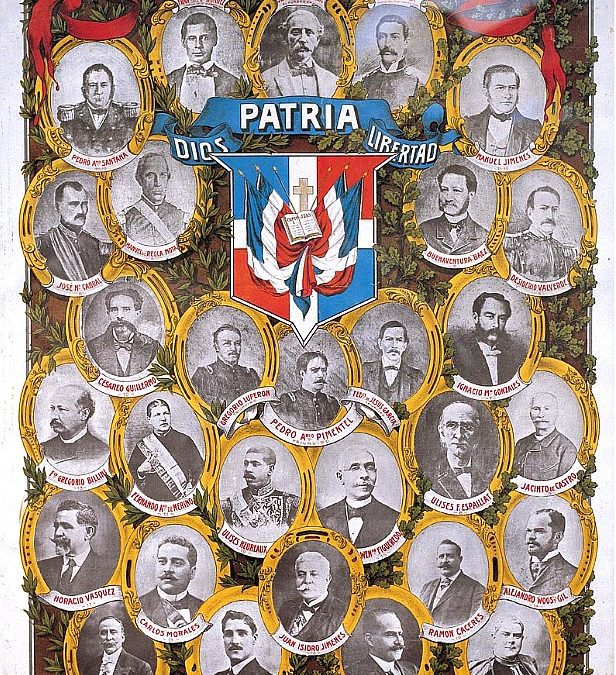
Francisco Gregorio Billini founded a school that combined classical teaching with civic formation, a proposal that surprised his contemporaries. The school, located in the center of Santo Domingo, received the support of the liberal elite and government officials of the time. This was possible thanks to Billini’s vision, who sought to create an institution that not only taught classics, but also formed young people in citizenship and civic values.
Billini’s school became a meeting place for young people of the time, where they could learn and discuss the most relevant issues of society. Classical teaching was complemented by civic formation, allowing students to develop a broader vision of reality and their role in society. The liberal elite and government officials saw Billini’s school as an opportunity to form future leaders of the country.
The location of the school in the center of Santo Domingo was strategic, as it allowed students to be in contact with the city’s political and social life. The school became a center of debate and discussion, where students could express their opinions and learn from others. Billini’s teaching focused on forming critical and thinking people, capable of analyzing reality and proposing solutions.
Manuscripts and letters that reveal Billini’s methodology
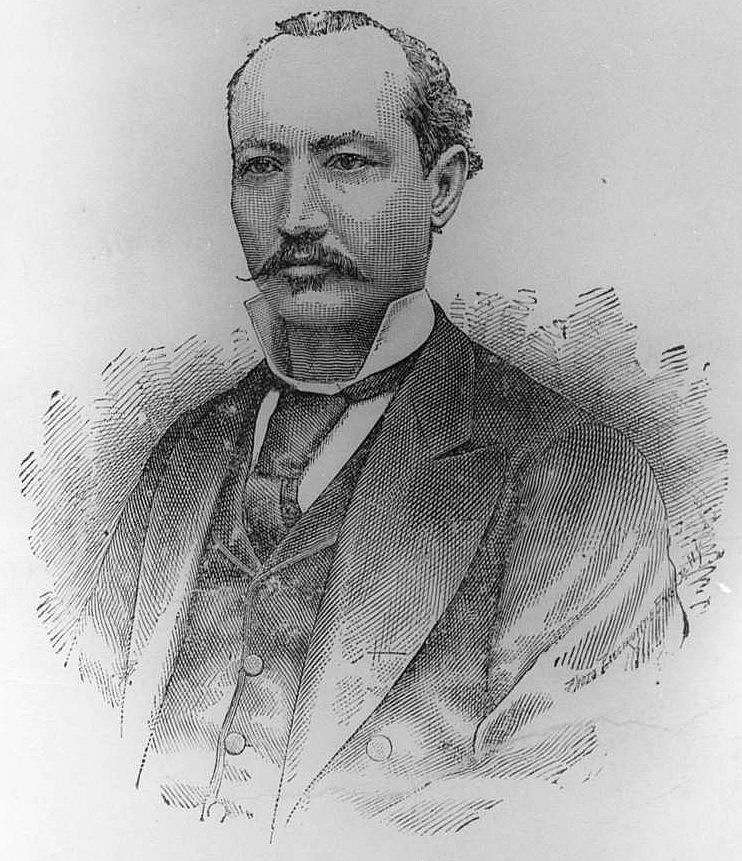
A collection of letters found in the National Library, dated March 12, 1876, shows how Billini instructed his teachers to use local texts instead of European classics. In one of those letters, Billini himself writes: ‘It is necessary for the student to know his land before studying Homer’. This reflects Billini’s vision that education should be linked to the reality and culture of the country.
Billini’s methodology focused on personalized teaching and promoting curiosity and critical thinking. Teachers had to use texts and materials relevant to the students’ lives, and not simply follow a rigid curriculum. Billini’s teaching was based on the idea that students should be able to apply what they learn in real life.
The same documents indicate that Billini paid his teachers a monthly allowance of five pesos, a figure that, according to the treasury records, was equivalent to half the salary of a municipal official. This shows that Billini valued the work of teachers and sought to attract the best educators to his school.
Published works and limited dissemination
The book “Bani o Engracia and Antonita”, digitized on Internet Archive, contains a short novel that Billini wrote in 1882 for his students. The work, little cited in traditional studies, was used as a reading text in the school and printed in a run of just five hundred copies. The novel is an example of Dominican literature of the time, and its publication reflects Billini’s vision that literature should be accessible and relevant to the students’ lives.
The limited dissemination of the work explains why it was relegated to oblivion. The printing press of José María Cabral, who also printed the pamphlets of the Society of Friends of the Country, was responsible for publishing the novel. The lack of dissemination of the work was due in part to the limited distribution capacity of the printing press, and in part to the lack of interest of the intellectual elite of the time in Dominican literature.
Participation in politics and its consequences
Billini held the position of Minister of Education between 1884 and 1886, according to the Open Library profile. During his tenure, he promoted the creation of the first public library in Santo Domingo, funded with a donation of twenty thousand pesos from the Society of Charity. The creation of the library was an important step for the dissemination of culture and education in the country.
The archives of the Congress reveal that, when presenting the project, Billini faced opposition from conservatives who feared the dissemination of liberal ideas among the youth. The final vote approved the project with one hundred twenty votes to thirty. The opposition to the creation of the library reflects the political and social division of the time, and Billini’s vision that education and culture should be accessible to all.
Legacy and late recognition
After his death on November 28, 1898, Billini’s school continued to operate until 1912, when it was closed by the educational reform of the American occupation. It was only in the 2000s that researchers reviewed the archival documents and rescued the figure of the educator. The street that bears his name in the Gazcue sector has a commemorative plaque that mentions his contribution to Dominican education and literature.
The late recognition of Billini’s figure is due in part to the lack of interest in the history of Dominican education, and in part to the lack of access to the documents and archives that reveal his legacy. However, today, Billini is recognized as a pioneer in Dominican education, and his legacy continues to be relevant for the formation of future generations.
References
- Wikipedia – Francisco Gregorio Billini (Wikipedia)
- Internet Archive – Bani o Engracia and Antonita (Internet Archive)
- Open Library – Billini’s work (Open Library)
- Crossref – Academic entry (Crossref)
- Wikidata – Data profile (Wikidata)
With AI and editorial review.