




The young man from Puerto Plata who rose up against annexation
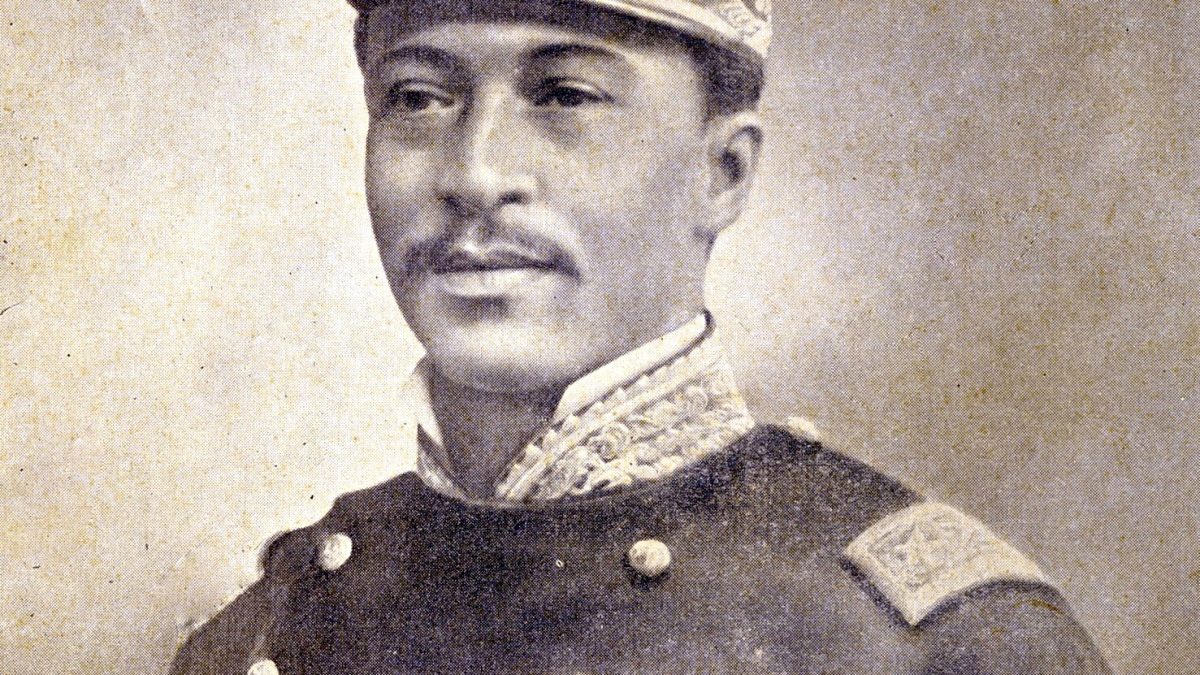
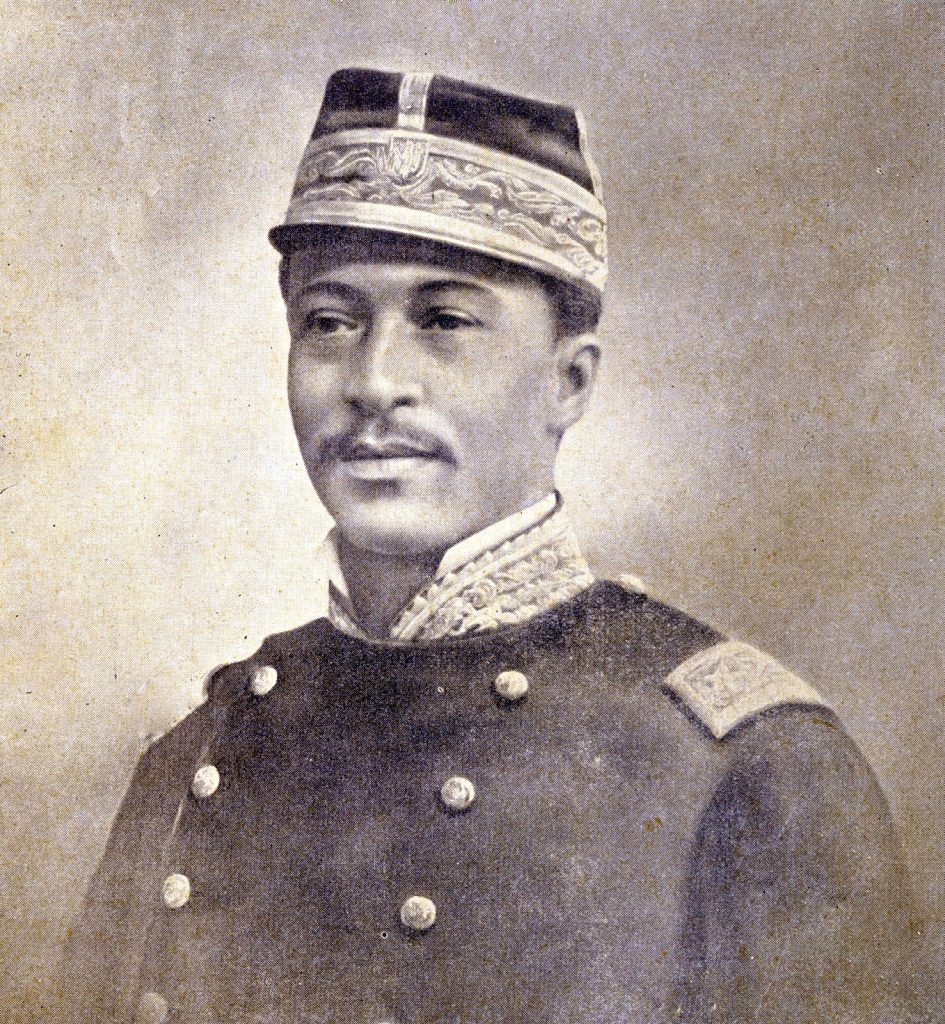
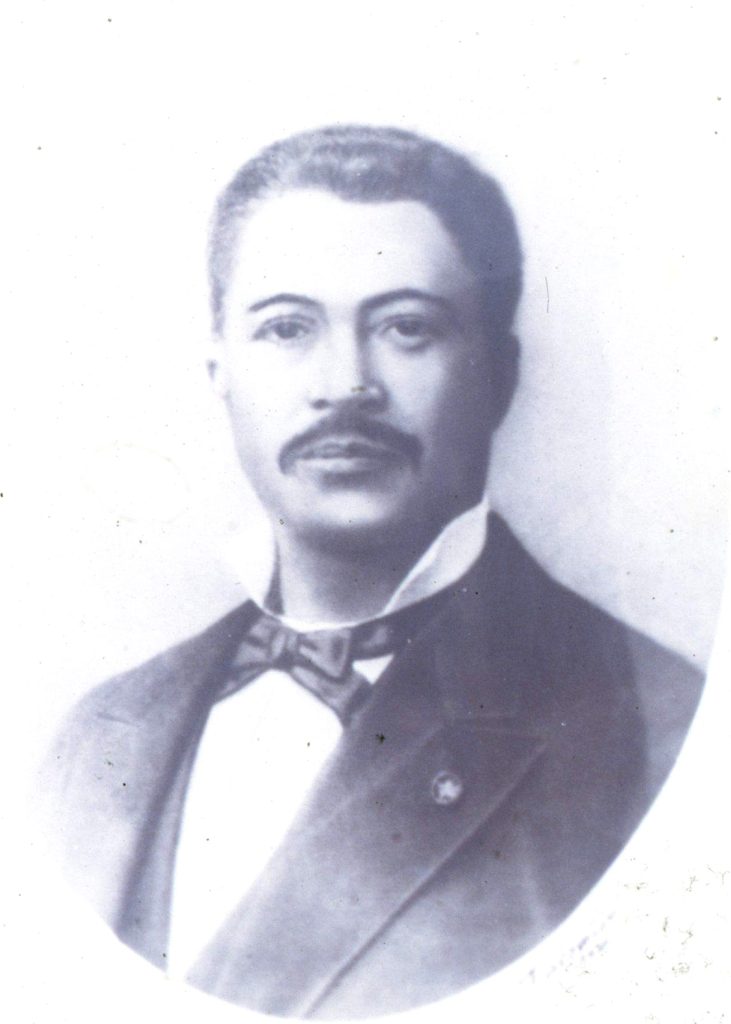
Gregorio Luperón was born on September 8, 1839, in San Felipe de Puerto Plata, a coastal town that would soon become his refuge and operations base. Since adolescence, he was linked to the liberal-republican groups that rejected annexation to Spain and, later, to the occupation of the Republic by the Republic of Haiti.
In 1863, when the Restoration broke out, Luperón took the initiative to organize militias in the northern zone, taking advantage of his knowledge of the terrain and his charisma to recruit fishermen, merchants, and peasants.
The decisive role in the Battle of Arroyo Bermejo
On July 27, 1865, the government of the Restoration requested Luperón’s presence in the Arroyo Bermejo area; he responded immediately, as indicated by the battle document: “Government requested Luperón, who presented himself at once.” (https://es.wikipedia.org/wiki/Batalla_de_Arroyo_Bermejo).
His arrival changed the dynamics of the confrontation: he reorganized the defensive lines and directed the charge that forced the Spanish troops to retreat, securing the first important victory of the movement.
War finances: the hidden treasure
Beyond the battlefield, Luperón managed critical resources. According to the records of the Blue Party, he and Juan Isidro Jimenes led the fundraising efforts in the northern coast, channeling donations from sugar and cacao merchants. These sums, which exceeded 500,000 pesos of the time, allowed them to buy arms and pay soldiers.
The records of the time reveal that Luperón maintained a secret account at the Puerto Plata Mint, where he kept the money under the name of “Freedom Fund”. This fund was essential to sustain the campaign during the months of scarcity.
The Blue Party and internal politics
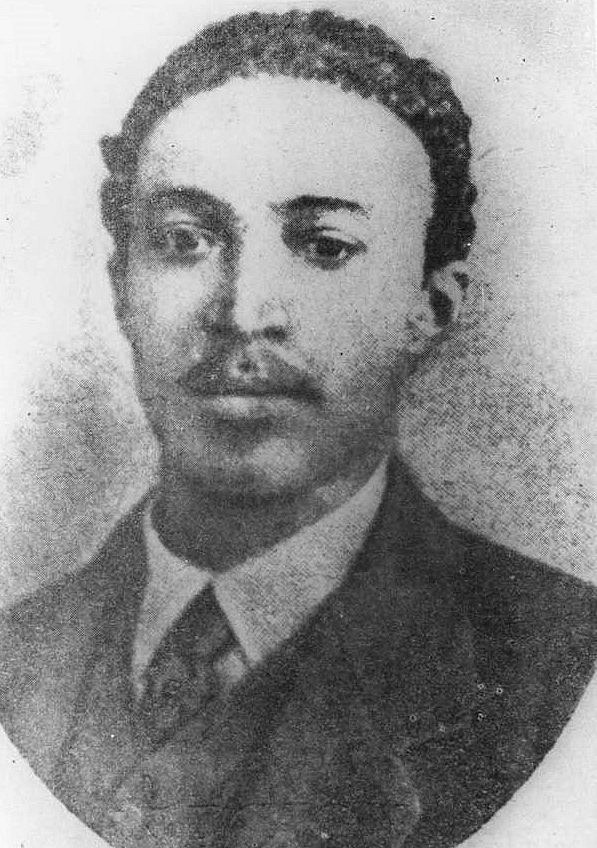
After the Restoration victory, Luperón became a central figure in the Blue Party, founded in 1865. The evidence of the article on the party indicates that “Gregorio Luperón and Juan Isidro Jimenes were the main leaders of the Blue Party”. (https://es.wikipedia.org/wiki/Partido_Azul_%28Rep%C3%BAblica_Dominicana%29).
Within the party, Luperón promoted a modernization agenda: he promoted the creation of primary schools in the northern zone and defended the construction of roads that connected Puerto Plata with Santiago, facilitating trade and military mobilization.
The hidden legacy in correspondence
Recently digitized letters in the National Archive show that Luperón maintained daily correspondence with General José María Cabral, exchanging intelligence reports on Spanish troop movements. In a letter dated November 12, 1860, Luperón writes: “The reports indicate that the enemy is concentrating forces in Santiago; we must reinforce the Monte Cristi garrison.”
These missives reveal Luperón’s ability to coordinate a network of information that anticipated enemy movements, a practice that few historians have highlighted.
The final chapter: exile and death
After the fall of the Buenaventura Báez government in 1890, Luperón was forced into exile in Puerto Rico, where he continued to support Dominican opposition from a distance. He returned to Puerto Plata in 1896, where he died on May 20, 1897, in the same town where he was born.
His death closed a life of tireless struggle, but the archival documents that now emerge demonstrate that his influence was much deeper than what traditional history usually recognizes.
References
- Gregorio Luperón – Wikipedia
- Blue Party – Wikipedia
- Battle of Arroyo Bermejo – Wikipedia
- Autobiographical Notes – Internet Archive
- Gregorio Luperón – Wikidata
With AI and editorial review.


