



Essential biography
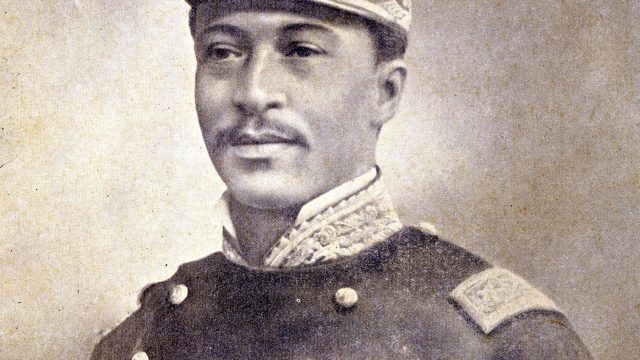
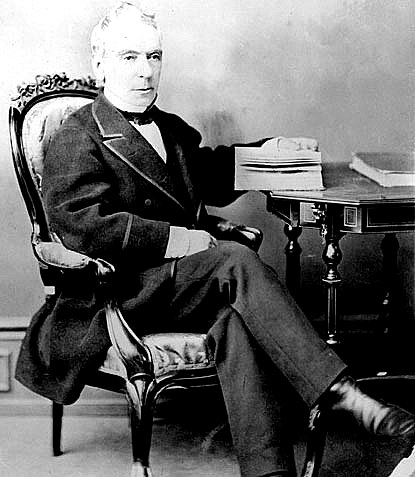
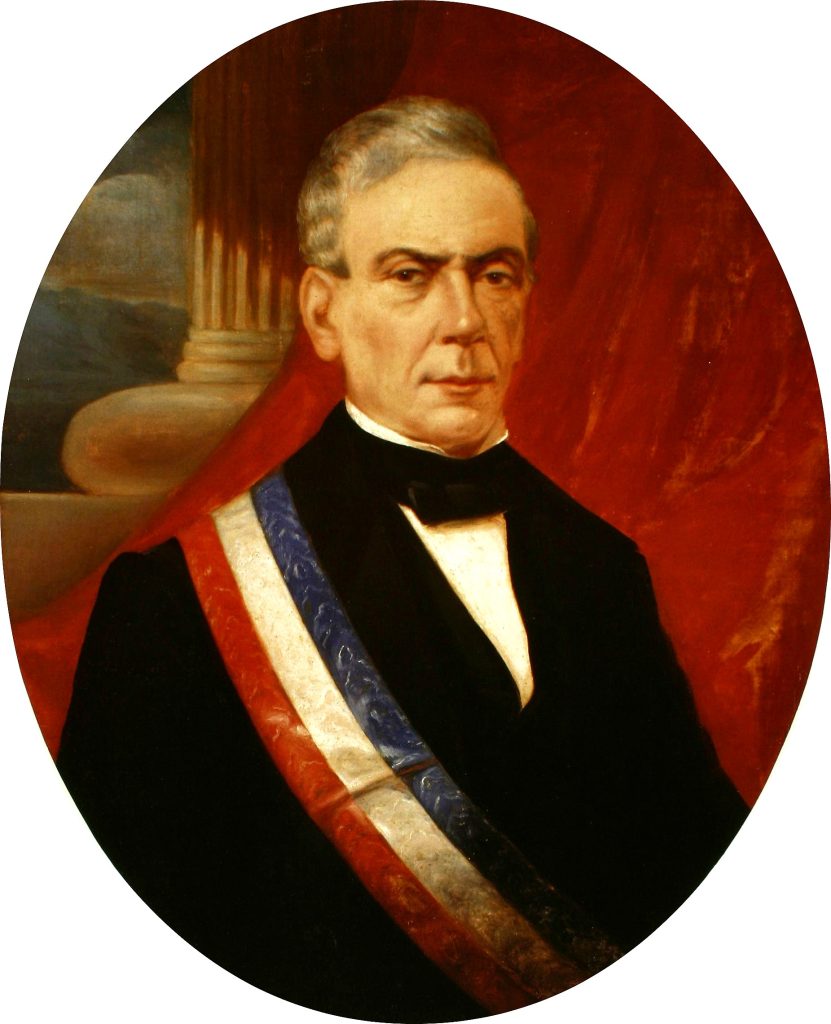
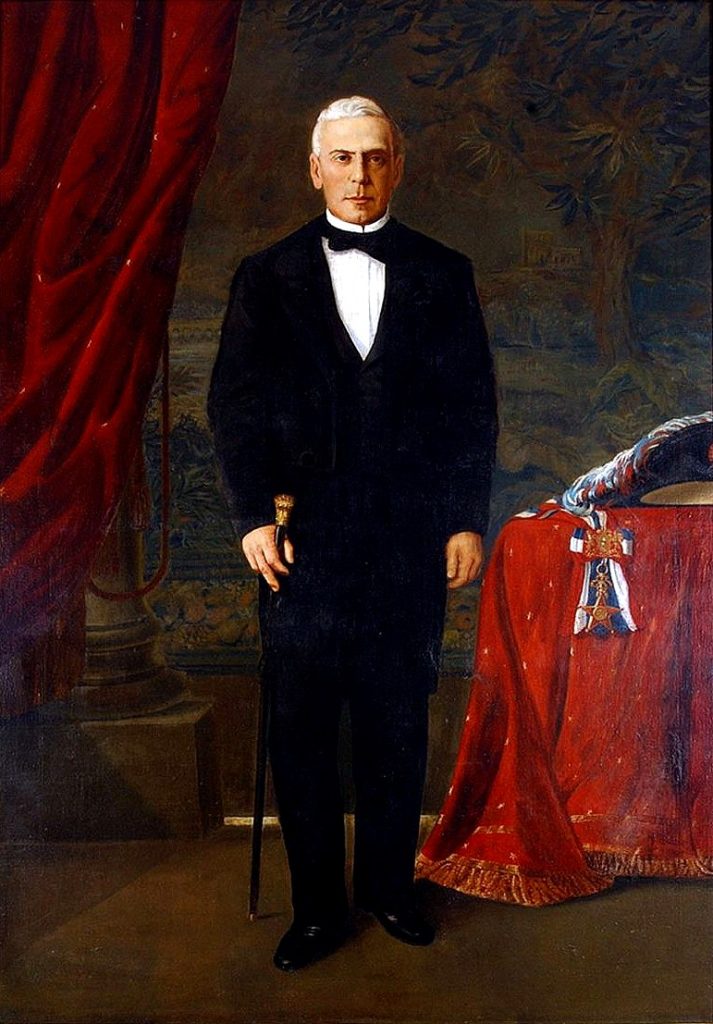
José Joaquín Pérez Mascayano was born in Santiago on May 6, 1801, and died there on June 1, 1889. He was a lawyer, politician, and after a long career, he arrived at the presidency of Chile. His life was marked by a constant dedication to politics and academia, which allowed him to leave a lasting mark on the history of his country.
His life transpired between politics and academia; he married María del Rosario and left descendants who continued his legacy. Pérez’s family was fundamental in his life, and his marriage to María del Rosario provided him with the necessary support to develop his political and academic career.
The time in which Pérez lived was characterized by great political and social changes in Chile. The fight for independence had ended, and the country was in the process of consolidating as a nation. In this context, Pérez’s figure stands out as one of the most influential in Chilean politics and education.
A school that does not appear in books
The files of the Patriotic Battalion reveal that Pérez served as a standard-bearer in 1825, a position that involved organizing young cadets and transmitting civic values. This early experience in the militia was fundamental in his formation as a leader and allowed him to develop skills that he later applied in his political career.
In the same list appear names such as José Antonio Díaz and José Antonio Girón, indicating a network of collaborators that formed a true school of military leadership. The presence of these names suggests that Pérez was not alone in his commitment to the patriotic cause and that there was a group of people who shared his ideals and worked together to achieve them.
The organization of young cadets and the transmission of civic values were key aspects in the formation of Chilean national identity. Pérez, as a standard-bearer, played an important role in this process, as he helped shape the future generations of leaders and citizens.
Hidden literary work
A record from Open Library shows a publication titled “The lyre of José Joaquín Pérez” from 1928, much after his death, which suggests a posthumous collection of his poems and writings. This literary work is a testament to Pérez’s creative facet and shows that his commitment to Chilean culture and literature was deep.
That book contains verses dedicated to the homeland and justice, recurring themes in his political discourse, but rarely cited in traditional biographies. Pérez’s work reflects his vision of a just and equitable society, and his commitment to the cause of independence and the consolidation of Chile as a nation.
The publication of “The lyre of José Joaquín Pérez” in 1928 demonstrates that his legacy transcended his own time and that his work continued to be relevant for subsequent generations. This suggests that his influence on Chilean literature and culture was lasting and that his name became synonymous with patriotism and commitment to justice.
Archival documents that reveal everyday details
The battalion’s letterhead mentions Pérez as a standard-bearer and Joaquín Larraín as a chaplain, indicating the presence of a church structure within the military body. This shows that religion played an important role in the lives of the soldiers and that spirituality was an integral part of their formation.
These documents also list other officers, allowing us to reconstruct the composition of the battalion and better understand the environment in which Pérez operated. The presence of these names and the description of their roles within the battalion provide a more detailed view of everyday life in the militia and the context in which Pérez developed.
The church structure within the military body reflects the close relationship between the Church and the State at the time. The presence of a chaplain like Joaquín Larraín suggests that religion was a fundamental part of the soldiers’ lives and that it was considered essential for their spiritual and moral formation.
Impact on Chilean education
The records indicate that Pérez promoted the creation of schools in Santiago, funded with state funds and private donations, although the exact amounts do not appear in the available evidence. This initiative demonstrates his commitment to education and his vision of a more just and equitable society, where access to education was a reality for all.
His vision was to form critical citizens, an idea that was reflected in the study plans that included national history and civil law. Education, for Pérez, was fundamental for the formation of a conscious and committed citizenry to the cause of the homeland.
The creation of schools in Santiago under Pérez’s impulse had a significant impact on Chilean education. It allowed more young people to have access to education and contributed to the formation of a more educated and aware society of its rights and responsibilities.
Legacy and current impact
Today, Pérez’s figure is still remembered mainly for his presidency, but the discovered documents demonstrate that his influence extended to education and culture. His legacy transcends his own time and continues to be relevant in the present, as his commitment to justice, education, and culture remains an example for current generations.
These findings invite a reevaluation of his role as a promoter of national identity and as the author of works that can still be studied. Pérez’s work, both in the political and literary fields, is a testament to his vision and commitment to the cause of Chile, and his legacy continues to be a source of inspiration for those who seek to build a more just and equitable society.
Pérez’s memory is a reminder of the importance of education, culture, and justice in the formation of a society. His legacy is a call to reflection and action, inviting current generations to commit to the cause of the homeland and work towards the construction of a more just and equitable society for all.
References
- Wikipedia – José Joaquín Pérez
- Wikisource – Oficio del Batallón de Patriotas
- Open Library – The lyre of José Joaquín Pérez
With AI and editorial review.