









Santo Domingo. – The economist Haivanjoe Ng Cortiñas warned that the intensification of the armed conflict between Israel and Iran could translate into negative consequences for the economy of the Dominican Republic, due to the direct impact it is already having on international oil prices and global inflation projections.
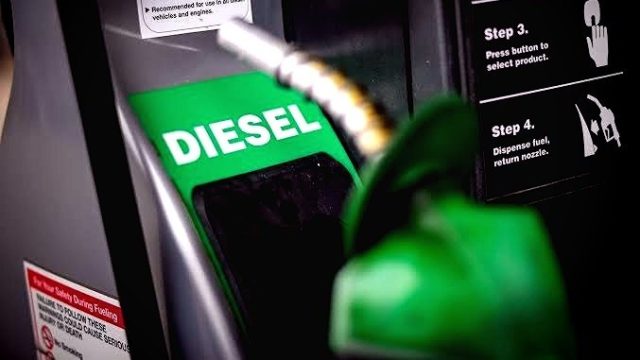
Ng Cortiñas noted that the rise in WTI crude (from US$62 to US$73 per barrel amid the conflict) already poses a challenge for economies that heavily rely on imported energy, as is the case for the Dominican Republic, whose external energy dependence is around 84%. This situation, he explained, could generate additional pressure on domestic inflation, the exchange rate, and the country’s oil bill.
If the upward trend in oil prices continues, he warned that the national oil bill could increase by at least US$420 million by the end of 2025, exceeding US$5.1 billion annually. This scenario would translate into greater fiscal pressures, inflation, loss of purchasing power for households, and possible adjustments to monetary policy.
“The rise in oil and geopolitical tension also threaten to affect interest rates, making credit more expensive and hindering investment. We are facing a possible perfect storm that would impact transportation, food production, electricity, and price stability in the local market,” he said.
Ng Cortiñas also highlighted that part of the international risk stems from the strategic importance of the Strait of Hormuz (partially controlled by Iran), through which a fifth of the world’s gas and oil trade passes, sharpening uncertainty in energy markets.
According to his estimates, if international pressure on prices continues, Dominican inflation, which stood at 3.84% in May, could close the year between 4.36% and 5.04%, surpassing the Central Bank’s official target, despite state subsidies for fuel and electricity.
Finally, he warned that this situation could weaken the local currency, as demand for dollars as a safe haven rises amid uncertainty, further compromising the country’s macroeconomic stability.
image credits for this post: Deultimominuto.net