








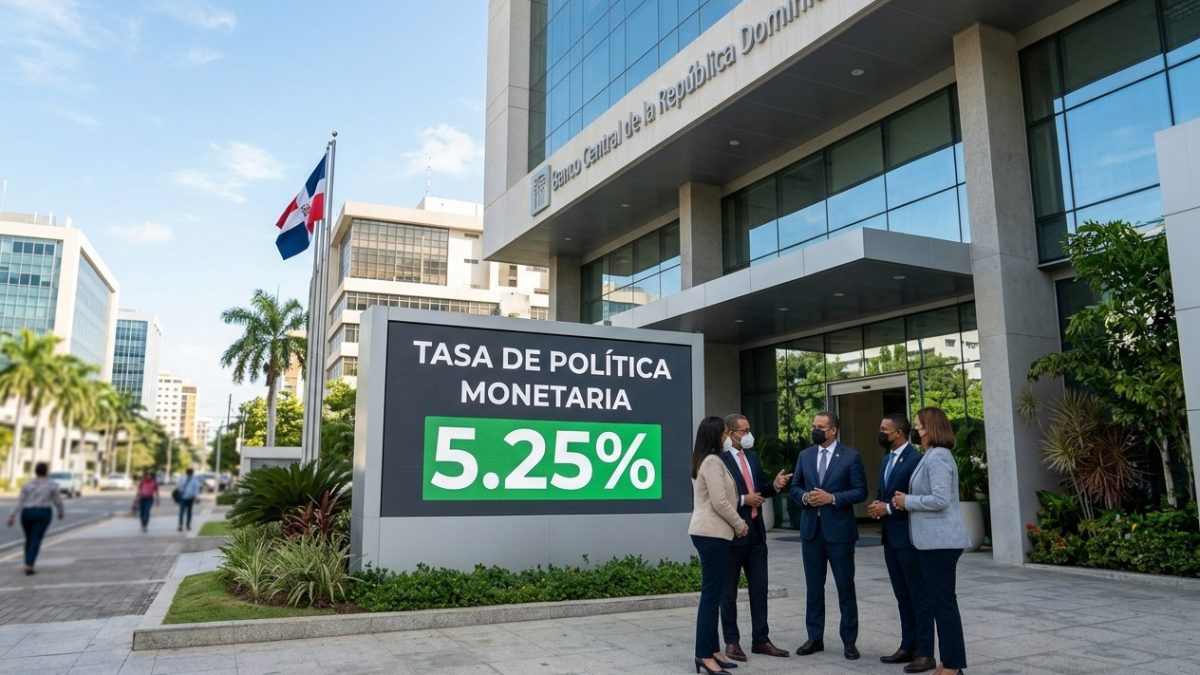
The Central Bank of the Dominican Republic (BCRD) maintained its monetary policy interest rate (TPM) at 5.25% annual in its August 2026 monetary policy meeting, without any changes from the previous session. The decision coincides with the continuity of the permanent liquidity expansion facility rates, which remain at 5.75% annual, and the overnight deposit rate at 4.50% annual.
Local economic context
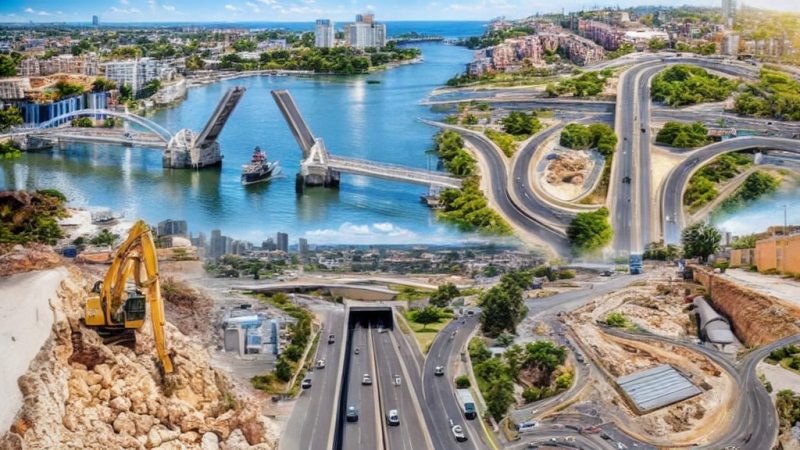
The annual inflation rate in the country decreased from 5.67% in June to 5.47% in July, approaching the 4% ± 1% target range. The underlying inflation rate, excluding the most volatile goods, stood at 4.96% in the same period, remaining within the target. The monthly economic activity indicator (IMAE) showed a 4.6% annual growth in July and a 4.5% cumulative expansion in the first seven months of 2026, driven by the construction, mining, financial intermediation, and hospitality sectors.
It is projected that the dynamism of investment and the resilience of the external sector will lead to an approximate 4.5% growth for the year 2026, one of the highest in Latin America. The appreciation of the Dominican peso, exceeding 7% accumulated at the end of August, has been favored by the stability of the exchange rate and the depreciation of the US dollar.
International perspectives
In the United States, the economy remains robust with a projected 2.2% growth for 2026 and an annual inflation rate of 3.4%, above the 2% target of the Federal Reserve (Fed). It is expected that the Fed will increase its rates by 25 basis points before the end of the year. In the euro zone, growth is estimated at 0.7% and inflation at 2.9%, also above the 2% target. Analysts anticipate a possible additional increase in the European Central Bank’s reference rate.
Latin America, on the other hand, is expected to have a 2% regional growth in 2026, with high inflation in several countries, influenced by energy prices. Most central banks in the region have opted to keep their rates unchanged in the face of uncertainty about the duration of the shock.
International reserves and balance of payments
International reserves exceed $15,000 million, equivalent to around 11% of GDP and five months of imports, exceeding the recommendations of the International Monetary Fund. This financial cushion contributes to exchange rate stability and supports the economy against possible external shocks.
Credits: deultimominuto.com
Note generated automatically from the sources cited in the text. Found an error? Email us at [email protected] and we'll fix it.