



The transparent Catholic Church in the use of public funds it receives from the Dominican State is a growing demand among jurists. This stance arises after a report by N Investiga, which revealed state contributions, exemptions and agreements under the 1954 Concordat, signed in the Trujillo era.
Positions in favor of the transparent Catholic Church
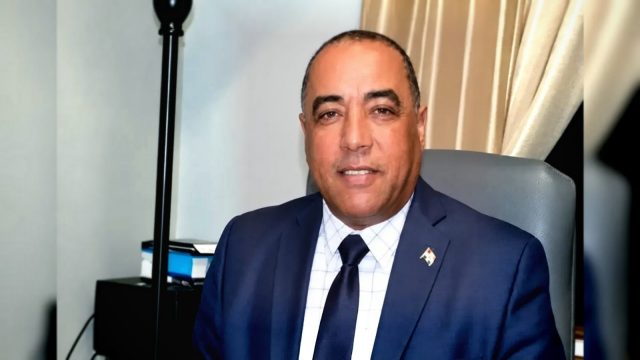
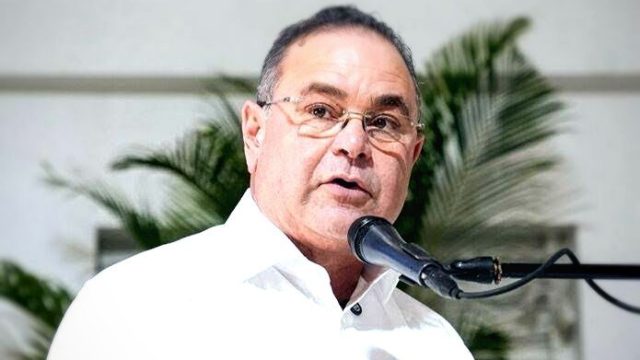
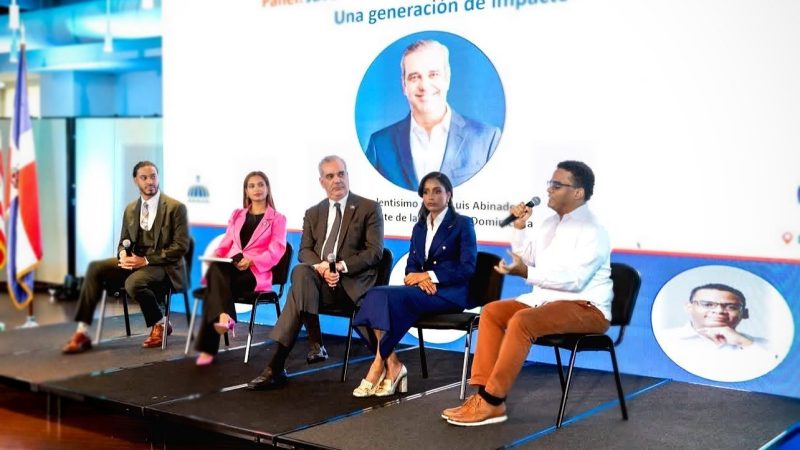
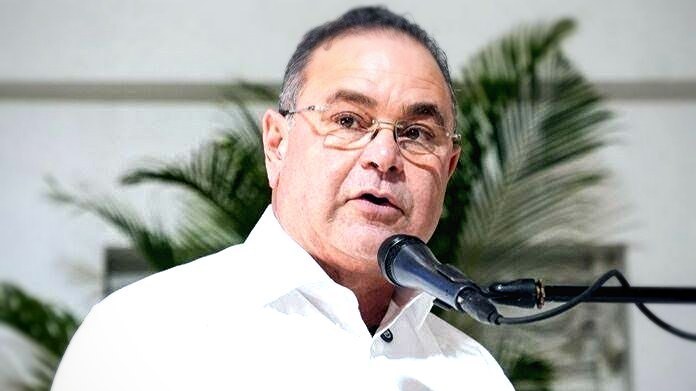
Brayan Castillo argues that the transparent Catholic Church must be accountable for constitutionality and public trust. In a digital society, being transparent does not represent an obstacle, he emphasizes. Osvaldo de Oleo adds that the allocated budgets generate citizen interest in knowing their exact destination.
Feliz Manuela Figuereo Agramonte invokes article 39 of the Constitution on equality. She criticizes the Trujillo-era Concordat and calls for equitable regulation for all churches in tax benefits. Omar Dilone reinforces: in a secular state, anyone receiving public funds is accountable, without unequal prerogatives.
A dissenting voice in the debate
Ana Rosa de los Santos disagrees. She considers that the aid responds to specific parish priest initiatives, similar to any legal entity, without an absolute need for a fully transparent Catholic Church.
Historical context of the Concordat and public funds
The 1954 Concordat grants privileges to the Catholic Church, such as tax exemptions and annual budget contributions. Data from the 2025 General Budget of the Nation allocate more than RD$500 million in direct and indirect transfers, according to official reports. This contrasts with the secular principle of the 2010 Constitution, which prohibits religious privileges.
- Direct contributions: agreements for social and educational works.
- Exemptions: imports of religious goods without VAT.
- Challenges: management in infrastructures such as temples and schools.
Constitutional law experts, such as professors at UASD, agree that the transparent Catholic Church would strengthen accountability. The debate intensifies amid demands for independent audits by the General Comptroller.
This demand for a transparent Catholic Church reflects tensions between tradition and modernity in Dominican public management, urging reforms to the Concordat for religious equity.