







fiscal reform returns to the center of political debate after PRD rejection, which warned that the government’s proposal would affect the middle class and the most vulnerable households.
fiscal reform in PRD rejection
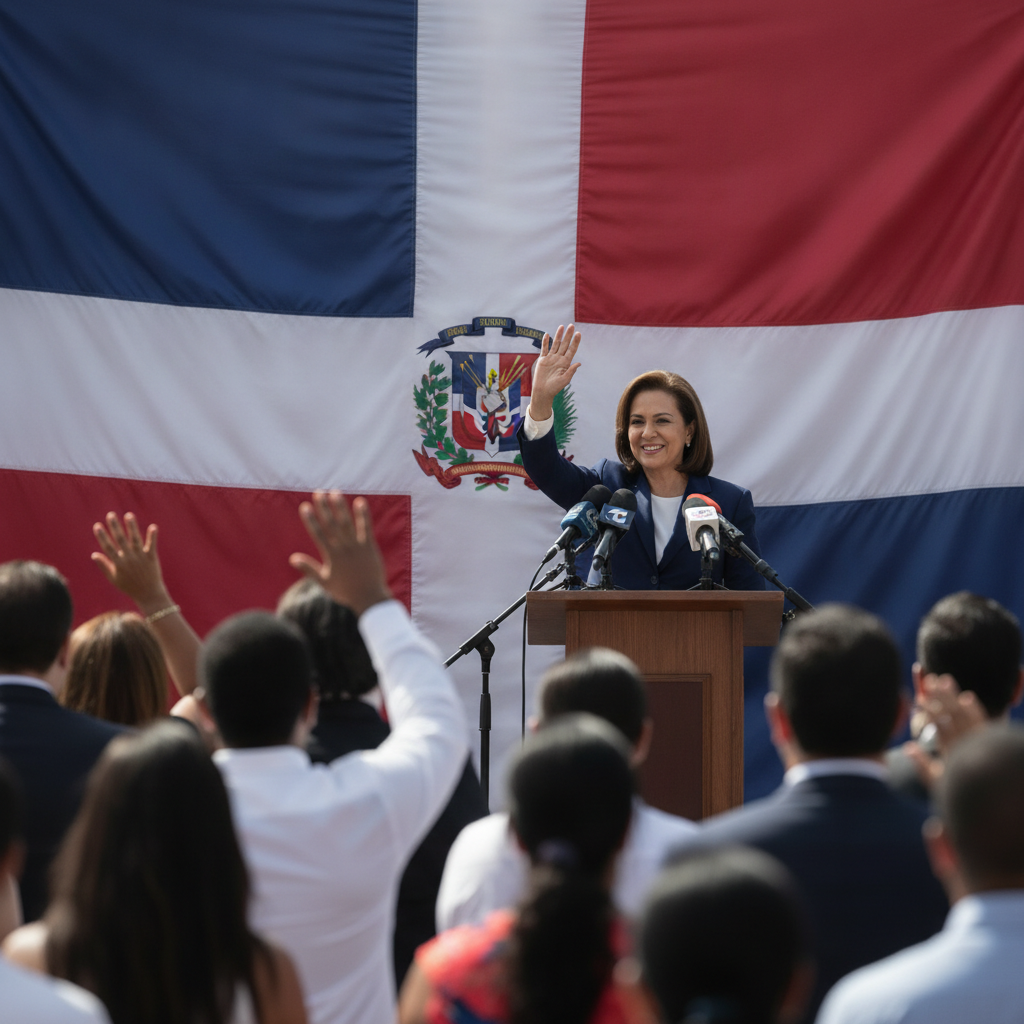
The Partido Revolucionario Dominicano took a position this Sunday in Baní, where its president Miguel Vargas Maldonado criticized the official initiative and argued that it does not solve the structural problems of the economy. According to him, the fiscal reform aims to collect more without guaranteeing an efficient use of public resources.
Vargas stated that the fiscal reform would reduce the purchasing power of the middle class and push the poorest to a more difficult situation. In his intervention, he accused the Government of presenting a proposal that, in his opinion, loads the weight of the adjustment on common taxpayers.
“Today the Government presents a fiscal reform proposal disguised as such, the only thing it seeks is for the Government to have more money to waste it”, Vargas stated during the assembly.
fiscal reform and pressure on households
The PRD’s warning occurs in a context of recurrent debate on state income, public spending, and cost of living. In practice, any fiscal reform usually touches on three sensitive points: taxes, consumption capacity, and citizens’ trust in the use of funds.
In this case, the PRD insisted that the discussion should focus on measures that alleviate the population and not on new burdens. For the party, a fiscal reform without compensatory measures would end up hitting those who already face inflation, family debt, and adjusted salaries.
Baní gathered PRD leadership
The activity was part of the party’s internal reorganization program and brought together leaders from Peravia, Azua, and San José de Ocoa. There also participated Peggy Cabral, Héctor Guzmán, Carlos Dicló, and José Juan Zapata, as well as provincial and municipal presidents.
- The PRD said that more than 85% of its structures have been restructured.
- It swore in new leaders in Peravia.
- It announced a series of regional meetings across the country.
fiscal reform and PRD’s political strategy
Beyond the economic content, the statement reinforces the PRD’s political message against the Government of the PRM. The fiscal reform becomes a axis of opposition and an opportunity for the organization to project itself as a defender of the middle and popular sectors.
The party assured that it will continue its territorial meetings to strengthen its electoral structure and define its line of action on national issues, including the fiscal reform. In a scenario of budgetary tension and debate on the cost of living, the issue will continue to generate shock between Government and opposition.
The discussion on the fiscal reform is now marked by two readings: the Government’s, which seeks more income, and the PRD’s, which sees it as a direct burden on the middle class and the poor.