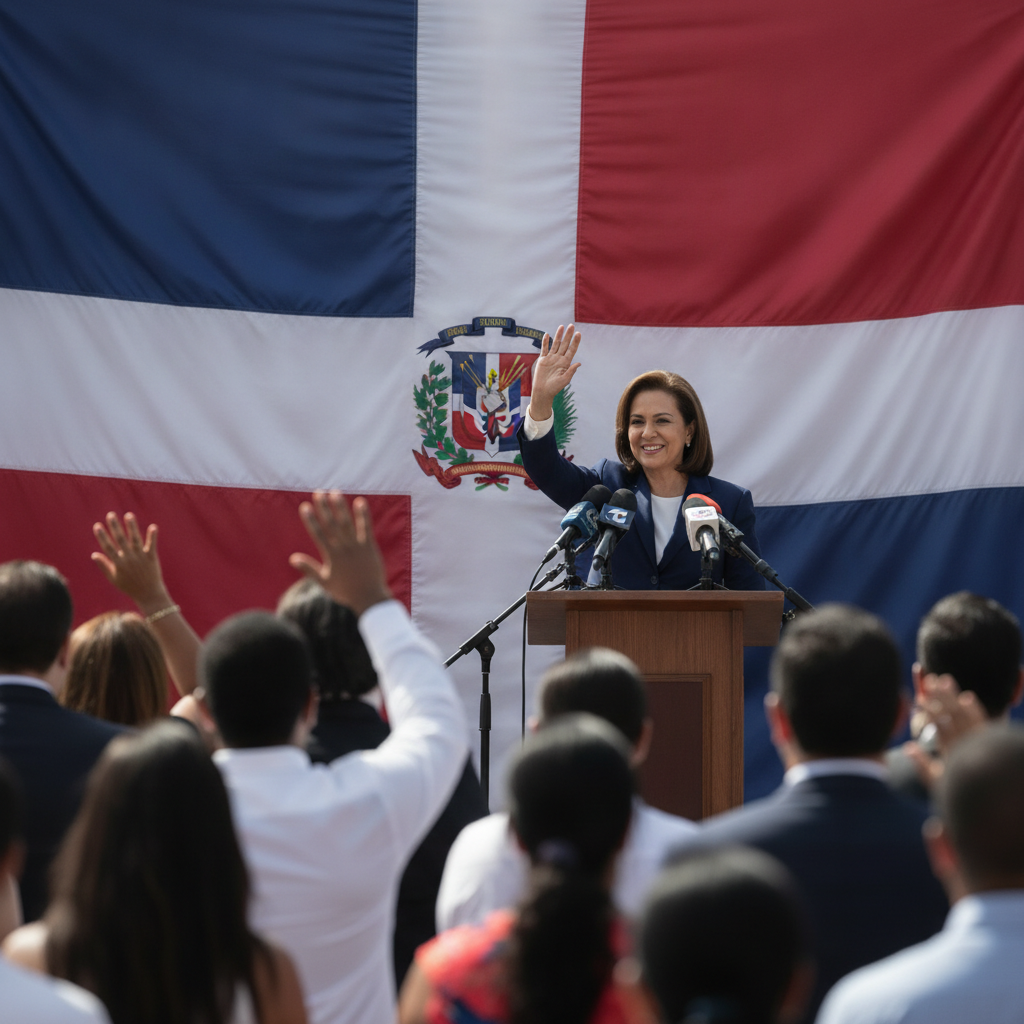






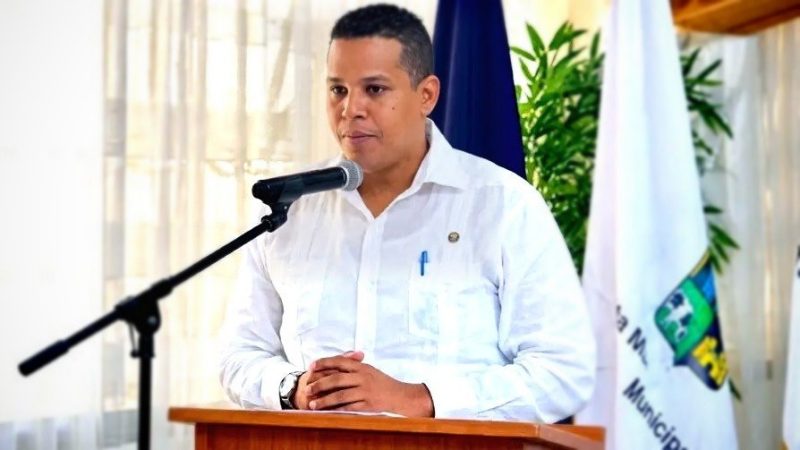

During the 1st International Congress of Geopolitics of the Dominican Republic 2026, the renowned Mexican political analyst and academic Alfredo Jalife-Rahme offered an in-depth analysis of how Iran responds to international geopolitical pressures. His perspective reveals a strategic pattern that defies conventional foreign policy calculations.
The strategy of political strengthening in Iran
Jalife-Rahme explained that within the Iranian institutional structure there is a particular mechanism: when leaders are eliminated or operations are carried out against figures of power, the next one who takes office turns out to be tougher and more vehement than their predecessor. The academic compared this political phenomenon to traditional Matryoshkas, the Russian dolls that contain increasingly smaller figures inside one another.
This analogy reflects how Iran responds to each external blow not with weakening, but with the radicalization of its leadership. The dynamic suggests that attempts to destabilize the Iranian power structure generate counterproductive effects, strengthening the political determination of its successors.
Context of tension in the Middle East and diplomatic relations
The analyst referred to recent statements by Iranian Foreign Minister Abbas Araqchi, who emphasized the importance of maintaining communication channels with Saudi Arabia during this stage of regional crisis. Jalife-Rahme highlighted that it was China that facilitated the diplomatic rapprochement between both nations in previous years, driven by its own energy dependence.
China depends significantly on oil imports from both Iran and Saudi Arabia, which makes the Asian power a mediating actor in the conflicts of the Persian Gulf. This geopolitical factor illustrates how economic interests shape international alliances in the Middle East.
The political weight of global Islam
Jalife-Rahme emphasized the demographic and political relevance of Islam on the international stage. With more than 2.1 billion faithful distributed across 53 countries under the Organization of Islamic Cooperation, the Islamic world represents a significant potential power. The academic expressed that if the Muslim world were to function as a unified entity, it would constitute the third global superpower in terms of economic and political influence.
However, he acknowledged that such cohesion remains a utopia, fragmented by internal divisions that external powers have historically encouraged through divide-and-conquer policies.
Implications of the Iranian strategy for regional stability
Jalife-Rahme’s analysis suggests that understanding how Iran responds to external pressures is fundamental for analysts, diplomats, and observers of international relations. The strategy of leadership fortification rather than collapse indicates that Iran maintains political resilience capacity even in the face of direct interventions against its power structures.
This pattern has direct implications for future geopolitical strategies in the Middle East, where the actions of external powers could generate dynamics opposite to those expected, intensifying rather than diminishing the determination of Iran and its regional allies such as Hezbollah.