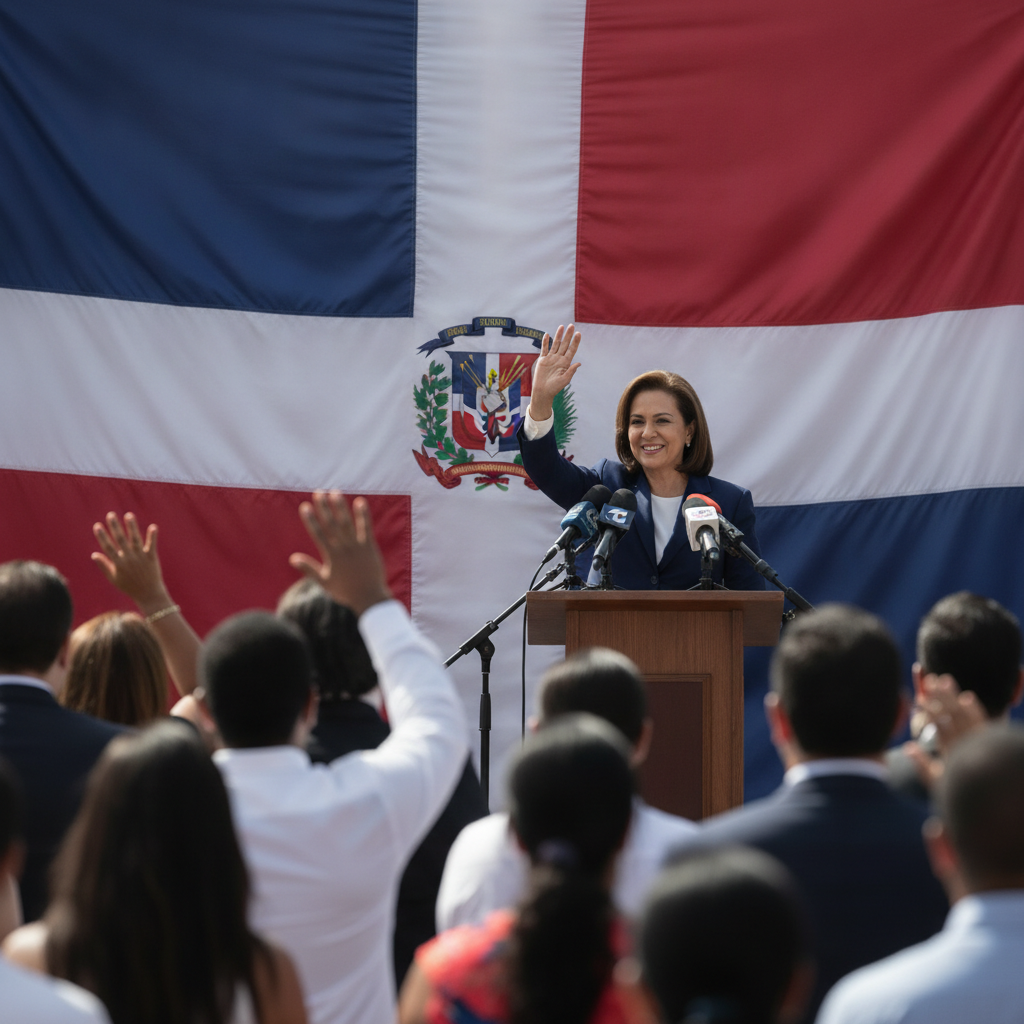









Fellito Suberví once again brought the PRM dissatisfaction to the forefront by warning that many government officials have distanced themselves from the party’s bases that worked for the officialist triumph. His message, delivered during a party activity in Santo Domingo, reopened an internal discussion about the relationship between power and militancy within the ruling party.
The also president of the PRM in the National District and director of the CAASD stated that political unity depends on real communication between public officials and territorial leadership. In his proposal, he asked that official offices not be closed to leaders and members who sustained the party’s structure during the electoral period.
PRM dissatisfaction: the complaint that was already circulating in the base
The Fellito Suberví statement did not emerge in a vacuum. Within the PRM, several sectors have expressed complaints at different times about the lack of access to officials, a claim that usually grows when the militancy understands that their effort was decisive in the campaign and does not receive the same treatment in management.
During the activity, Suberví’s words were received with applause, a gesture that confirmed that the issue connects with a shared discomfort among the medium leadership and the bases. That public support reinforces the reading that the PRM dissatisfaction is not isolated, but a concern that is repeated in internal conversations.
Fellito Suberví asks to open the offices
The most highlighted phrase was direct: “To strengthen the party and maintain internal unity, it is necessary that many officials pay attention to the members of the bases and open the doors of their offices”. With that call, Fellito Suberví placed the focus on institutional closeness as a condition to avoid political wear and tear.
The proposal also reveals a known tension in parties that come to power: the distance between those who administer the State and those who sustain the party’s machinery. When that relationship cools down, the PRM dissatisfaction usually translates into criticisms, claims for spaces, and pressure for greater recognition.
Internal unity and the political costs of PRM dissatisfaction
The Fellito Suberví call acquires weight because it arrives at a time when the officialist organization is seeking to preserve internal cohesion and order its territorial relationships. In political terms, the complaint about officials distant from the base can affect party discipline if not addressed in time.
In practice, the message points to a basic rule of party survival: governing should not break the link with those who mobilize votes, structure, and territorial presence. If that connection weakens, the PRM dissatisfaction can become internal noise with effects on the future organization.
What the Fellito Suberví message leaves
- Recognizes an inconformity that was already being commented on among leaders and militiamen.
- Demands greater access of the bases to government officials.
- Defends internal unity as a condition to sustain the PRM.
- Exposes a habitual problem between party structure and public administration.
The reaction of the attendees showed that the issue has immediate reception within the party and that the Fellito Suberví call can be read as a political warning. If the PRM dissatisfaction is not managed with closeness and openness, the distance between leaders and officials could continue to feed tensions in the base.