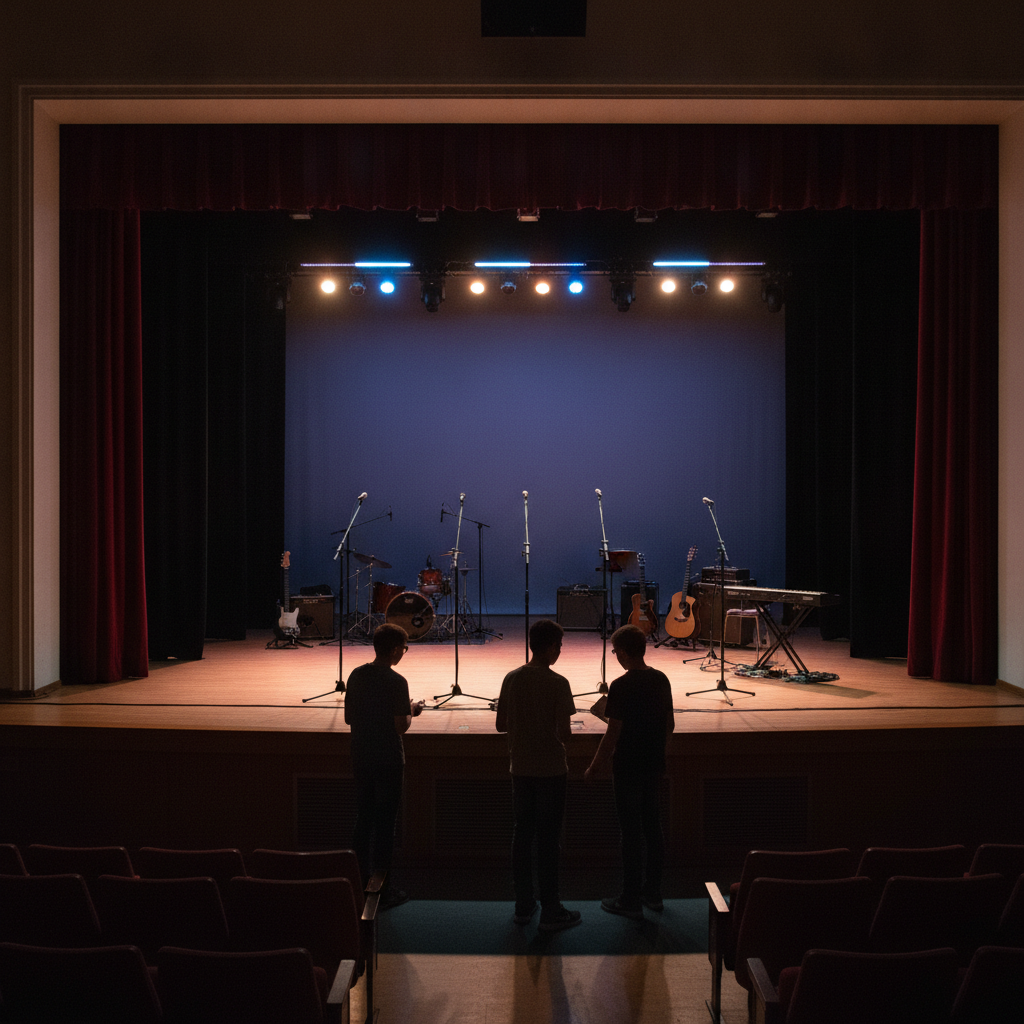







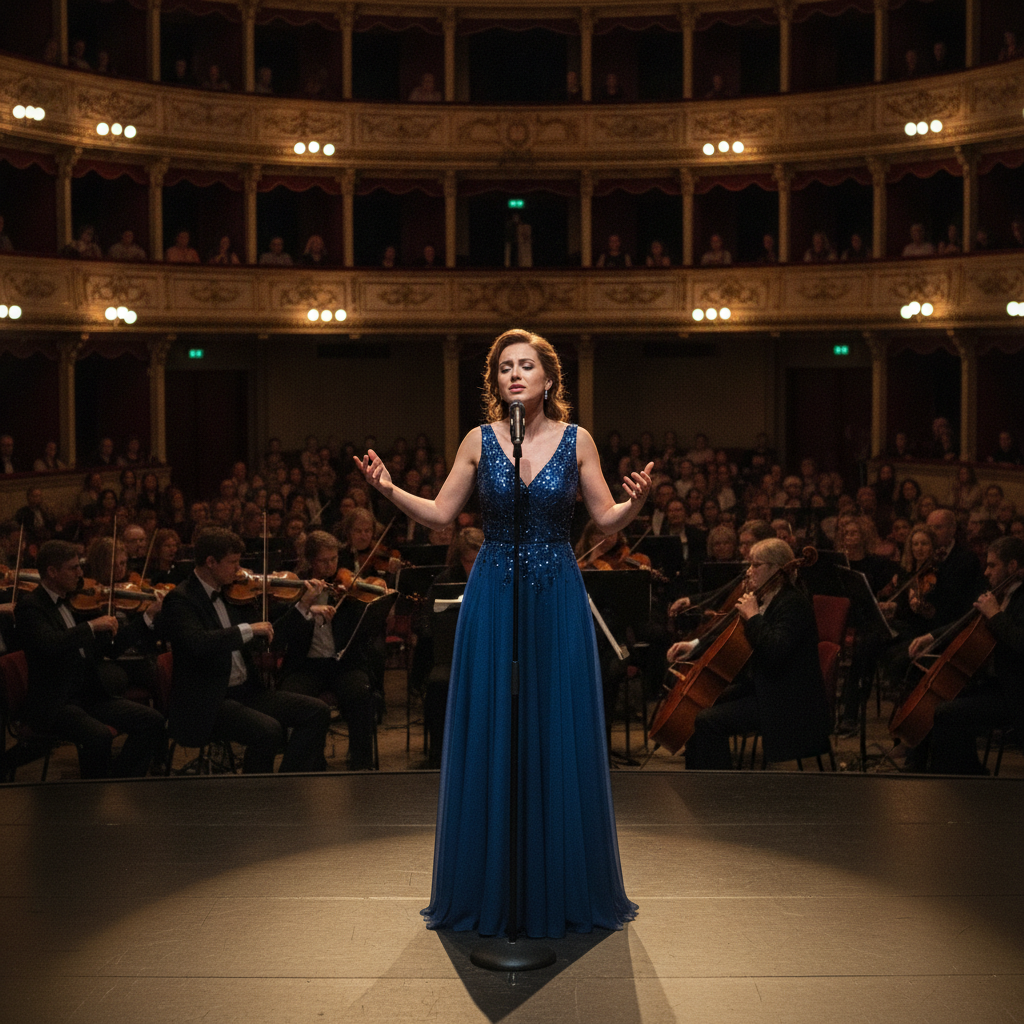
My Life in Songs took Stephany Ortega to the National Theater with an intimate proposal that combined technical lyric, affective memory and popular repertoire. The Dominican soprano offered a musical journey at the Café Teatro Juan Lockward, accompanied by the maestro Manuel Tejada and a band of outstanding musicians.
The concert bet on a sober, close and centered staging on the voice. In My Life in Songs, Ortega linked themes from different generations and styles, from ballads to classical and popular pieces, with titles like “Waste”, “Come Back”, “Mediterranean”, “O sole mio” and “Con te partirò”.
The selection was not casual. My Life in Songs functions as a kind of musical autobiography, in which each theme refers to personal stages and shared references with the public. That mix explains a good part of the impact of the function in Santo Domingo.
Stephany Ortega, technical lyric and popular connection
Stephany Ortega, winner of the Soberano Award as Lyric Singer and resident in Luxembourg, reaffirms with this format a artistic line that has been sustained in international stages: bringing classical training to an accessible language without losing interpretive rigor.
In My Life in Songs, that formula relied on careful arrangements and the work of Manuel Tejada, a key figure to sustain the balance between the academic and the popular. The result was a brief, direct and emotional show, thought for a wide audience.
My Life in Songs returns to Juan Lockward
After the premiere performed on Friday night, My Life in Songs returned this Saturday 1st of August for a second and last function in the same space of the National Theater Eduardo Brito. The public’s response confirmed the interest in proposals where academic music is presented without excessive solemnity and with clear scenic narrative.
A formula that gains space in the local scene
In the Dominican scene, intimate concerts have gained presence because they allow a more direct relationship between artist and audience. In that context, My Life in Songs inserts itself as a coherent bet: recognizable repertoire, elegant reading and an interpreter with trajectory within and outside the country.
The proposal leaves evident that Stephany Ortega continues consolidating a profile uncommon in the regional market: a soprano capable of moving between opera, popular song and narrative concert format. My Life in Songs closes thus a presentation where emotion did not depend on excess, but on artistic precision and closeness with the public.