




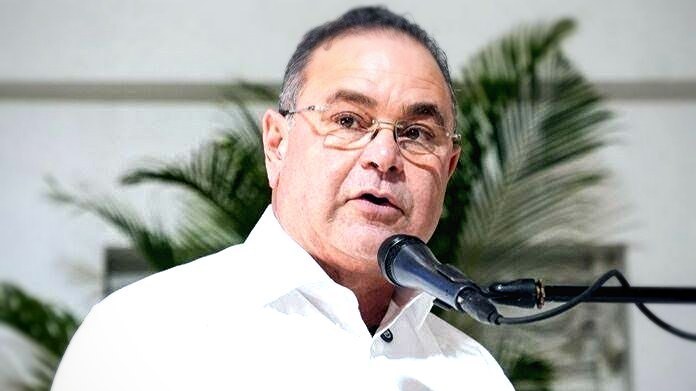



Mental Health Attention in Prisons: The Warning Issued by Psychologist Angelina Sosa Brings to the Fore a Historical Debt of the Dominican Penitentiary System with Incarcerated Individuals. The Executive Director of the Mental Health and Telepsychology Institute pointed out that this population faces high emotional and psychological vulnerability, so she requested strengthening mental health attention within the detention centers.
Mental Health Attention and Penitentiary Vulnerability
Mental health attention in prison contexts is not an accessory matter. Imprisonment, family separation, judicial uncertainty, and forced cohabitation can exacerbate anxiety, depression, and risk behaviors. In that scenario, Angelina Sosa‘s alert points to a reality known by international organizations: the prison population usually concentrates a higher load of mental disorders than the general population.
In the Dominican Republic, the issue acquires additional relevance due to the pressure on correctional centers, where the demand for medical and psychological services usually exceeds the available capacity. An effective response requires early screening, clinical follow-up, and timely access to trained professionals.
What Fortifying Mental Health Attention Implicates
Talking about fortifying mental health attention does not only mean increasing consultations. It also implies:
- Psychological evaluations upon entering the penitentiary system.
- Detection of suicidal risk and emotional crises.
- Continuous attention for depression, anxiety, and trauma cases.
- Coordination between health, security, and penitentiary personnel.
Without those steps, mental health attention becomes reactive and arrives late, just when the case has become complicated.
Mental Health Attention and Basic Rights
The discussion also touches on a human rights point. Incarcerated individuals maintain their right to receive health services equivalent to those of the free population, including psychological care. When that access fails, episodes of crisis, internal violence, and self-harm possibilities increase.
Psychologist Angelina Sosa‘s proposal coincides with a regional trend: integrating mental health into primary care within prisons, rather than seeing it as an occasional or secondary service. In practice, this reduces risks and improves rehabilitation capacity.
A Challenge for the Dominican Penitentiary System
The call for mental health attention arrives at a time when the country continues to discuss penitentiary modernization and the quality of clinical care in the facilities. Experts insist that the success of any penal reform depends on addressing the emotional deterioration of the internal population.
Psychologist Angelina Sosa emphasized that incarcerated individuals constitute a highly vulnerable population, a definition that obliges looking at mental health attention as a central part of penitentiary policy and not as a complement. Mental health in prison, ultimately, also determines security, reintegration, and humane treatment within the correctional centers.


