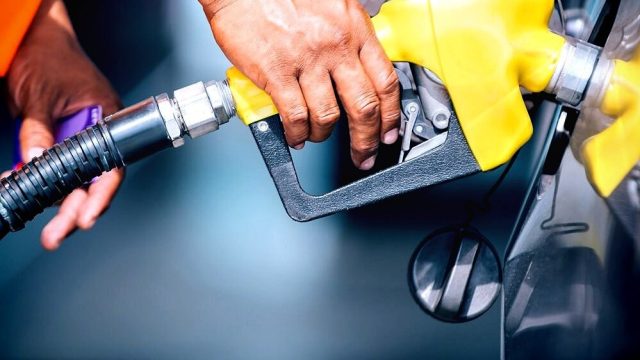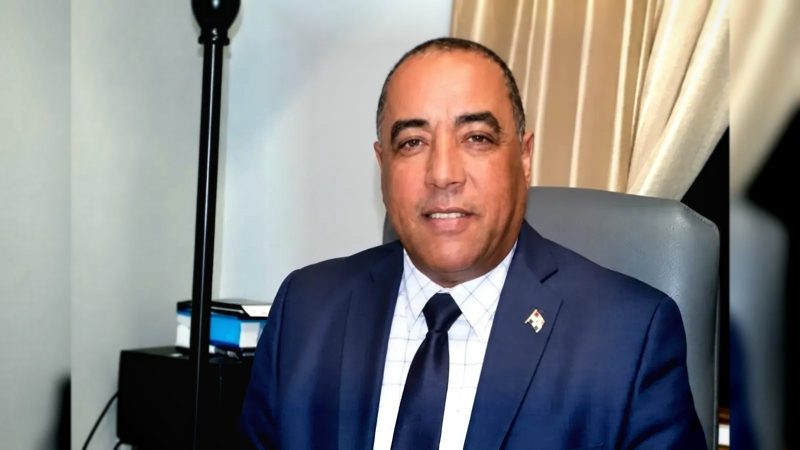


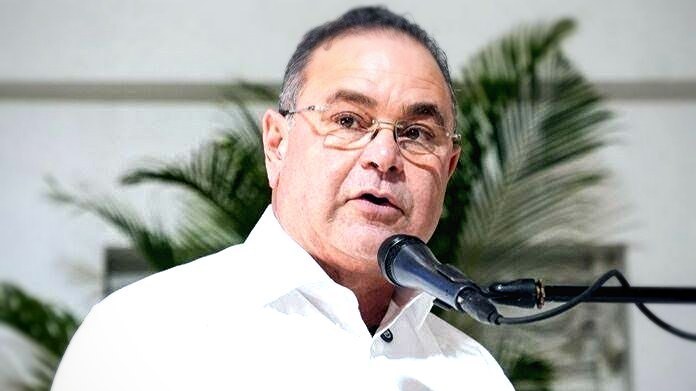




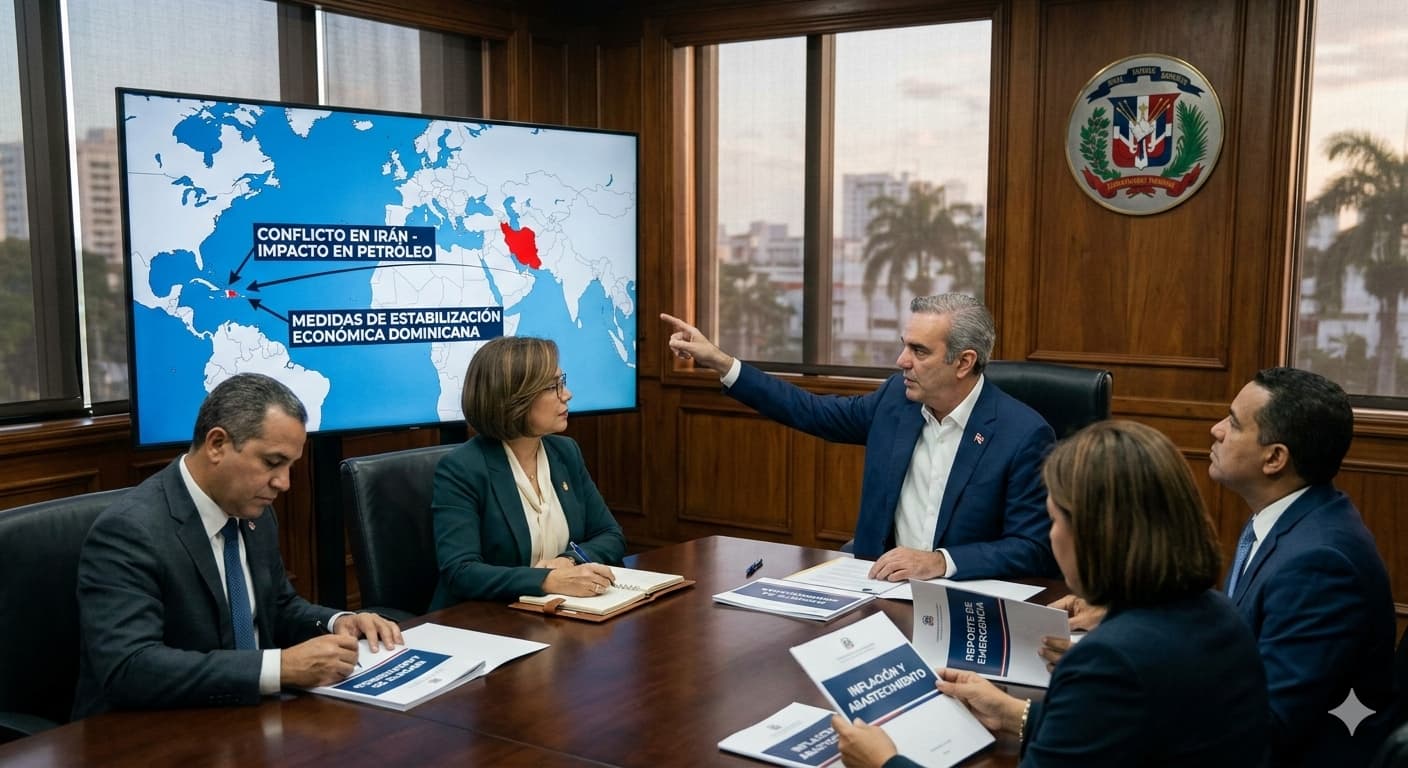
The Minister of Finance Magín Díaz stated that the Government takes measures firmly to protect the national economy from the impact of the crisis in Iran. In his appearance on “El Sol de la Mañana”, Díaz highlighted macroeconomic stability as the main barrier against external shocks, especially the rise in oil prices that threatens fuels and basic goods.
Immediate protection strategies
The Government maintains permanent sessions with the Ministry of Agriculture and the Central Bank. Already in the first quarter, it secured a large portion of the financing of the 2026 General State Budget, creating a fiscal space to reallocate resources to vulnerable sectors. This cushions effects on electricity and other areas, thanks to the diversification of the energy matrix that limits the impact compared with previous crises.
The country’s solid credit credibility allows access to international financing at competitive rates, similar to nations with investment-grade status. Moreover, deposits in the financial system are abundant for emergencies.
Taking historic measures against external shocks
Economic resilience context
This crisis in Iran adds to challenges such as the COVID-19 pandemic, the Russia-Ukraine war and the tariff war. Historically, the Dominican Republic has faced oil price spikes; for example, in 2019 Brent rose above $70 per barrel, raising inflation to 1.9% according to Central Bank data. Today, with international reserves at a record level of about $15 billion, the country is better positioned.
Experts such as economists from the International Monetary Fund praise the Dominican fiscal policy for its focus on reserves and diversification, reducing vulnerability by 20% compared to 2020.
Boost to public investment
The structural deficit of GDP, around 3%, has hampered state investment. Díaz seeks to reverse it, prioritizing infrastructure to strengthen the private sector. “Public investment is key to avoiding bottlenecks,” he emphasized. Measures against tax evasion are being promoted to raise revenues and sustain this growth.
The Government takes measures preventively that not only mitigate the crisis in Iran, but also strengthen long‑term resilience. The population receives reassuring messages: the supply of basics is guaranteed and macroeconomic stability prevails.