



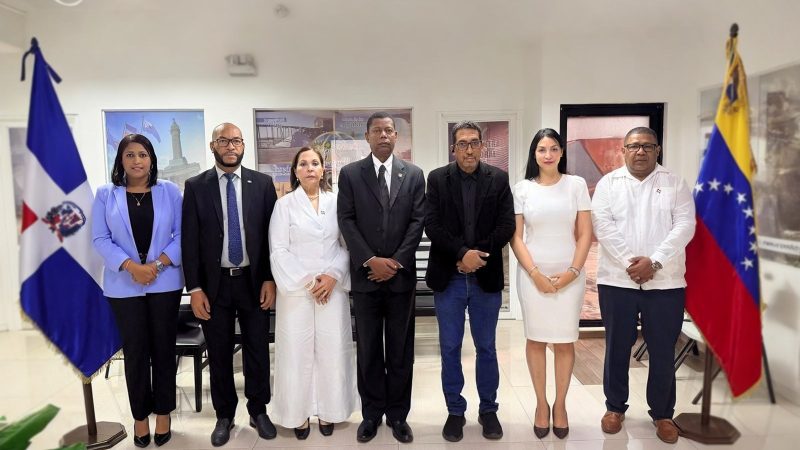

Valdez Albizu and MasterCard held a meeting focused on the modernization of payment methods, financial inclusion, and the strengthening of security against digital fraud in the Dominican Republic. The meeting confirms the priority that the Central Bank of the Dominican Republic (BCRD) has given to Valdez Albizu and MasterCard as part of the payment system’s transformation agenda.
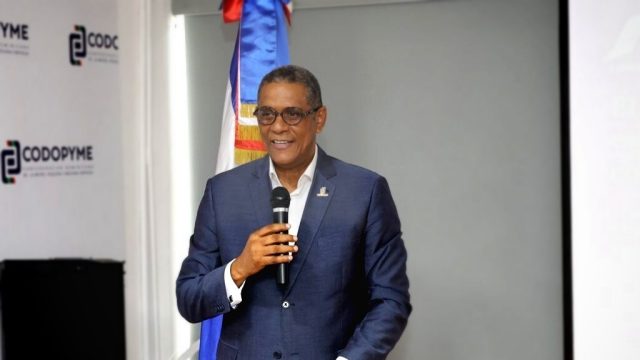
During the meeting, Governor Héctor Valdez Albizu explained that the BCRD maintains as a public policy the promotion of electronic payments and the expansion of access to financial services. The bank has supported this objective with measures such as the Real-Time Gross Settlement (RTGS) system, which has been operating for nearly two decades, and with the permanent updating of regulations on payment systems.
The official also highlighted that the country is advancing in the National Financial Inclusion Strategy and in a new technological platform for instant payments, available 24/7, a tool that could significantly change the way Dominicans charge and pay for services. In this context, Valdez Albizu and MasterCard reviewed cooperation opportunities to accelerate that transition.
Security, Fraud, and Cybersecurity
One of the most sensitive points of the conversation was fraud prevention. Valdez Albizu and MasterCard agreed that the growth of digital payments demands greater controls, better protocols, and faster responses to cybercrime.
“Cards play an important role in the payment of goods and services in the economy,” Valdez Albizu stressed, highlighting their wide acceptance.
The governor also stated that the Central Bank works with high technological standards to protect users and strengthen confidence in electronic channels. MasterCard, for its part, reaffirmed its willingness to provide solutions, ideas, and tools to support the digitization of the Dominican economy.
Valdez Albizu and MasterCard Facing Financial Change
The visit of the international delegation led by Andrea Scerch, President of MasterCard for Latin America and the Caribbean, is part of a regional trend: central banks and payment networks are pushing for faster, more interoperable, and secure systems. In the Dominican Republic, this conversation is gaining weight because the use of cards and digital transfers is already part of the daily lives of consumers and businesses.
In recent meetings with other actors in the financial system, the BCRD has insisted on macroeconomic stability, IT security, and technological modernization as pillars of its strategy. That same approach was reflected in the dialogue between Valdez Albizu and MasterCard.
The Delegation and the Institutional Message
Valdez Albizu was accompanied by senior officials from the Central Bank, while MasterCard attended with regional and local representatives from its Latin America and Caribbean structure. The message was clear: the digitization of payments is no longer a future aspiration, but an ongoing process that requires coordination between the regulator, issuers, and technology providers.
If the instant payments project consolidates as the BCRD promises, Valdez Albizu and MasterCard could find themselves at the center of a new stage for the Dominican financial system, with greater speed, wider coverage, and higher security requirements for users and businesses.