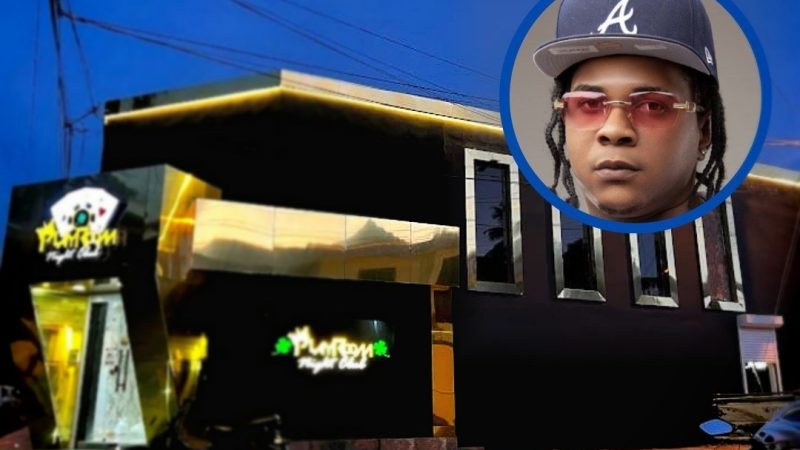




The communicator Rafael Linares shook social media this Sunday by announcing that the US Department of State and the Embassy in the Dominican Republic had allegedly revoked the US visa for the deputy of the Modern Revolutionary Party (PRM), Leivy Bautista, and her husband, Luguel Gaciller. The complaint, published on his X account, cites unidentified sources and generates questions about the reasons behind this measure.
Context of the judicial controversy
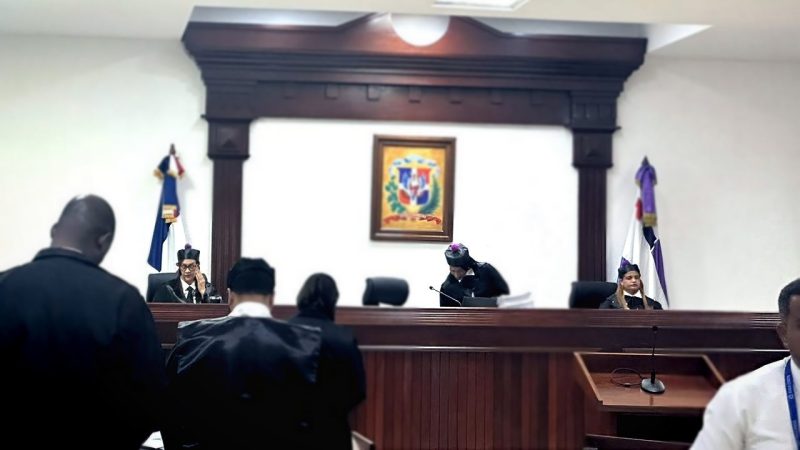
The information arrives at a tense moment for Leivy Bautista. The National District Prosecutor’s Office is investigating a complaint for defamation, injury, and violation of Law 53-07 on High-Tech Crimes. The legal action involves her along with Luguel Gaciller, a well-known business figure, against the panelist Eduardo Alberto Saint-Hilaire Ramírez, of “This is not Radio”. Other companies such as Alofoke Media Group and Alofoke Music are also being pointed to, with their representatives as third-party responsible.
This case has sparked debates on social media and in political circles. Experts in international law point out that US visa cancellations usually respond to security evaluations or pending criminal records, although no official entity has confirmed the measure against Leivy Bautista or Luguel Gaciller.
Background and reactions in the PRM
Official confirmation lacking
So far, neither the US Department of State nor the Embassy has issued statements. In recent years, the Dominican Republic has seen at least 15 similar cases of lawmakers with visas revoked due to links to corruption or irregularities, according to transparency reports. Rafael Linares bases his statement on “received information”, but without verifiable details.
- The complaint includes serious charges for cybercrimes.
- Leivy Bautista represents the PRM in Congress.
- The debate extends to legislative ethics and bilateral relations.
Political implications
The news about Leivy Bautista and Luguel Gaciller could impact the PRM’s image ahead of upcoming elections. Analysts highlight that such revocations, when confirmed, usually precede formal investigations. The official silence maintains uncertainty, while the judicial case advances and social media erupts in speculation. Leivy Bautista now faces a double scrutiny: legal and diplomatic.
This development highlights the US vigilance over Dominican officials, recalling previous cases like those of other congressmen sanctioned for irregularities. The US visa for Leivy Bautista and Luguel Gaciller hangs in the balance of confirmation, but the echo of Rafael Linares‘s complaint resonates strongly in national politics.