




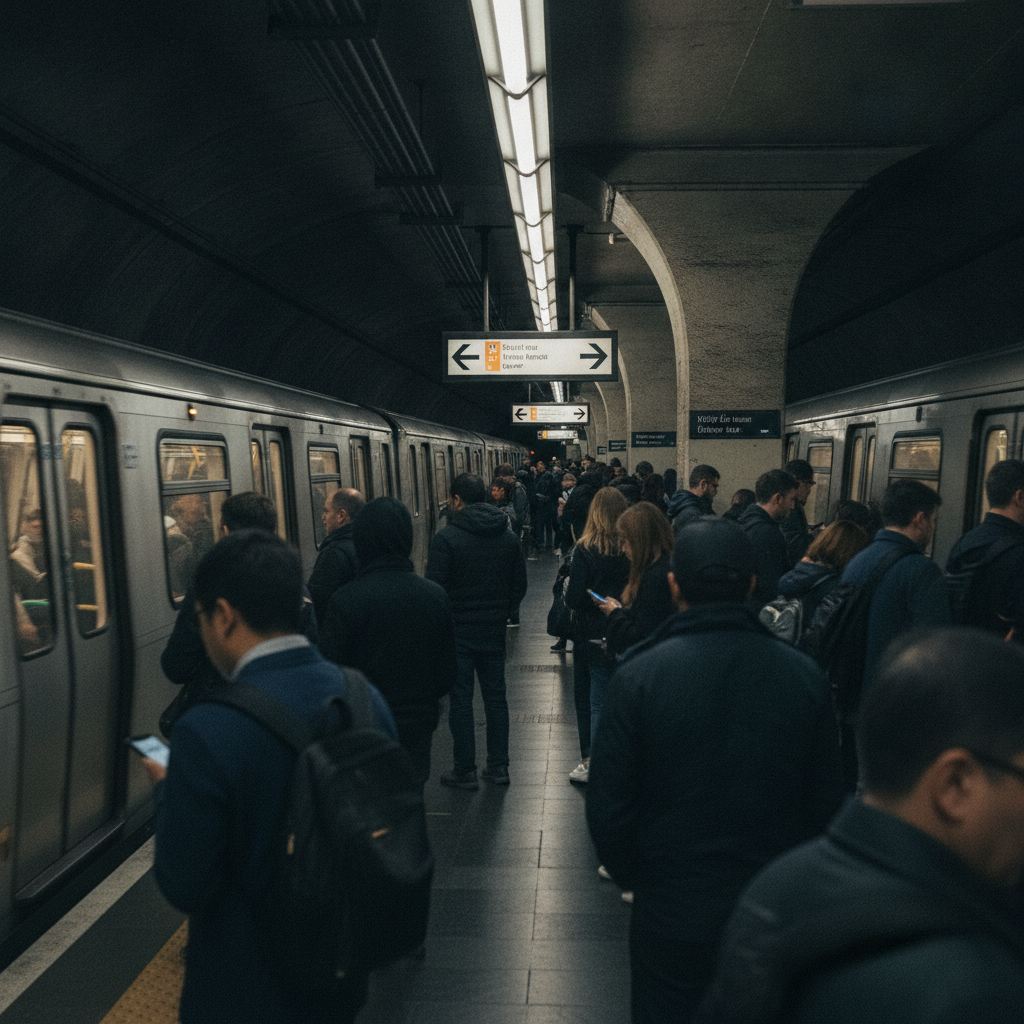
lines 1, 2, and 3 will have changes in Manhattan for work replacing switches in Lower Manhattan, an intervention that will affect tens of thousands of passengers, including many Dominicans who travel daily through that corridor. lines 1, 2, and 3 will operate with adjustments from July 24 to August 24, with concentrated interruptions on five weekends.
Lines 1, 2, and 3: what changes and when
According to the information disseminated by the MTA, the work will be done between 9:30 p.m. on Friday and 5:00 a.m. on Monday, while crews replace tracks and old switches on the Seventh Avenue line. During that period, part of the service will be diverted between local and express tracks, which can lengthen travel times and change usual transfers.
Lines 1, 2, and 3 and the weight of Lower Manhattan
The impact is not minor. The Times Square–42nd Street station, one of the busiest in the system, recorded over 61 million passengers in 2025, while other key stations like Grand Central, Herald Square, and Fulton also concentrate enormous daily flows. In that map, lines 1, 2, and 3 remain essential for workers, students, and residents moving between Manhattan and other districts.
What to expect from the passenger
- Longer wait times on weekend nights and early mornings.
- Possible changes in track between local and express service.
- Greater congestion at nearby transfer stations near Lower Manhattan.
- Point delays for those using lines 1, 2, and 3 as a main link to the Bronx and Upper Manhattan.
Lines 1, 2, and 3: a work that reflects the wear of the system
The interventions in the New York City subway have become frequent because much of the infrastructure has been in service for decades. Other recent projects in the network have forced prolonged suspensions to change rails, signals, and tunnels, with the official argument of improving long-term reliability. In the same logic, this work on lines 1, 2, and 3 inscribes itself.
The MTA insists that partial closures are necessary to replace old parts and reduce future failures in one of the country’s most used networks.
For the Dominican community in New York, the warning comes in the midst of summer and forces them to review schedules, connections, and alternatives before leaving. In a city where the subway is indispensable, every adjustment in lines 1, 2, and 3 ends up affecting work, medical appointments, and daily transfers, especially in Manhattan and its most crowded access zones.