








respiratory virus is now the focus of a new measure announced by Public Health to strengthen the protection of newborns against respiratory syncytial virus (RSV), an infection that usually concentrates its worst effects on infants and young children.
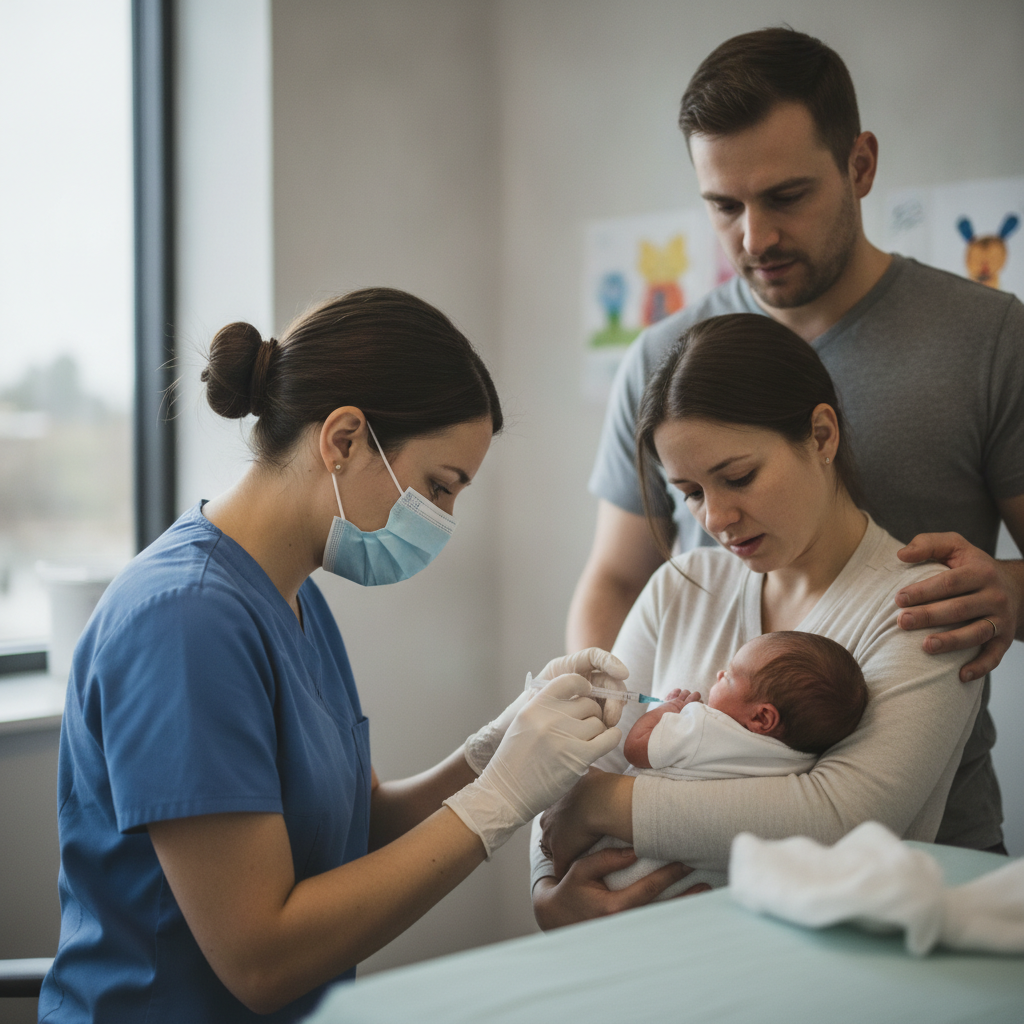
The Ministry of Public Health reported the incorporation of this tool within the national strategy to prevent the serious disease caused by RSV. The announcement comes at a time when different health systems have opted to combine maternal immunization and direct protection to the baby, according to the availability of the product and the official recommendation of each country.
respiratory virus and its impact on babies
The respiratory virus syncytial is one of the main causes of acute respiratory infections in childhood. It can cause mild cases, but in newborns and children under six months, it is also associated with bronchiolitis and hospitalizations.
International health organizations have promoted preventive solutions in recent years. Among them is immunization during pregnancy, which seeks to transfer protection to the baby before birth, and the use of monoclonal antibodies in high-risk infants or born in seasons of higher viral circulation.
What changes with this measure
The decision of Public Health aims to reduce early complications in a particularly vulnerable population. The evidence published by recent scientific reviews indicates that RSV vaccines reduce respiratory infections in older adults and in babies born to vaccinated mothers during pregnancy.
In other countries, prevention is supported by products such as nirsevimab, a single-dose antibody that is administered to minors under one year to reduce the risk of serious disease. Also, there is the RSV maternal vaccine, designed to protect the newborn through the vaccination of the pregnant woman.
respiratory virus: why it matters now
The announcement of Public Health is framed in a regional trend of expansion of RSV prevention. Countries in Europe and America have already incorporated similar tools in their calendars or seasonal strategies, especially to protect newborns during the first months of life.
The usefulness of these measures depends on the age of the baby, the time of year, and clinical criteria. In general, early protection is key because RSV usually circulates more strongly in specific seasons and can cause greater severity in the first days of life.
What families should watch out for
- respiratory virus: main focus of prevention in infants.
- Public Health: responsible authority for implementation.
- respiratory syncytial virus: frequent cause of serious infections in babies.
- newborns: most vulnerable group.
With this incorporation, Public Health seeks to expand preventive coverage against respiratory syncytial virus and reduce complications that each year put pressure on families and the healthcare system. In the next few days, the operational scope of the measure, the target group, and the application method for newborns and pregnant women should be specified.


