








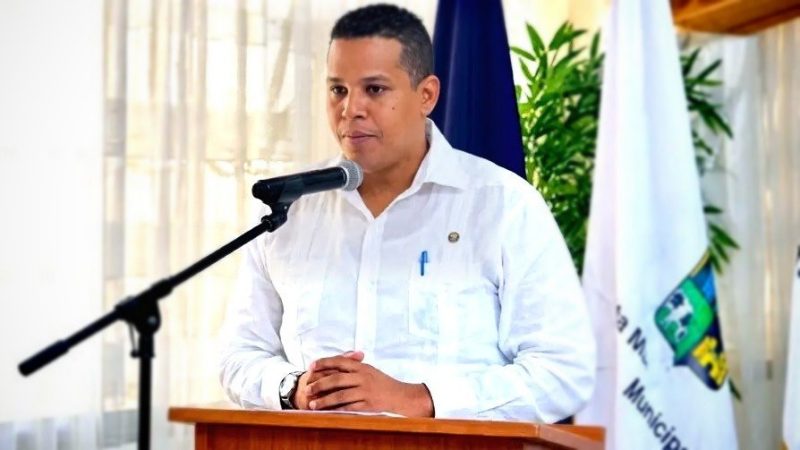

Police reform is the cornerstone of the institutional transformation driven by President Luis Abinader and General Commissioner Luis Ernesto García Hernández, who confirmed that 8,928 new officers have joined the National Police in the past two years. The police reform thus prepares these uniformed personnel under a new academic curriculum and with modern competencies that meet current public safety demands.
Innovative training in police reform
Of the 8,928 agents, 6,500 officers will graduate this month under the new curriculum, while 2,500 are currently undergoing training, with the goal that by April 2026 more than 9,000 personnel will have been added. General García Hernández noted that this progress represents 44.6% of the presidential target, which envisions 20,000 trained officers by 2028 as part of the state modernization and professionalization plan.
Focus on mental health and citizen mediation
The police reform not only increases the number of officers: it incorporates into its curriculum programs of mental health, stress management, emotional self‑regulation and mediation techniques. The purpose is to strengthen both ethical skills and communicative capacities of the officers, raising the professional standard and empathy in responding to citizen challenges.
Duration and structure of the new police training
The training of the new officers officially extends to one year of in‑person training and an additional year of distance education, after which the officers graduate with the degree of professional technicians. This approach aligns with international standards and seeks to build a more prepared police force for complex situations.
- The plan prioritizes psychological care and stress management for the officers.
- Mediation and citizen conflict‑resolution modules are incorporated.
- Intensive practical training optimizes decision‑making under pressure.
“Fundamental elements related to the mental preparation of the police officer have been incorporated into this new curriculum,” the executive commissioner highlighted, explaining the urgency of combating stress levels within the institution.
Commitment to security and coexistence in the Dominican Republic
The police reform aims to consolidate a more professional and community‑oriented National Police. Consulted security experts confirm that strengthening the focus on mental health and mediation will improve citizen trust and police effectiveness. The measure aligns with recommendations from international bodies on police modernization, as developed by the national security agenda and other recent initiatives in the country.
Moreover, incidents such as the recent case where the National Police recovered eight stolen vehicles in Santiago demonstrate the importance of a better‑prepared police force. The police reform will continue to be key in the pursuit of improved democratic coexistence and public safety, a central priority for the Dominican Republic.