

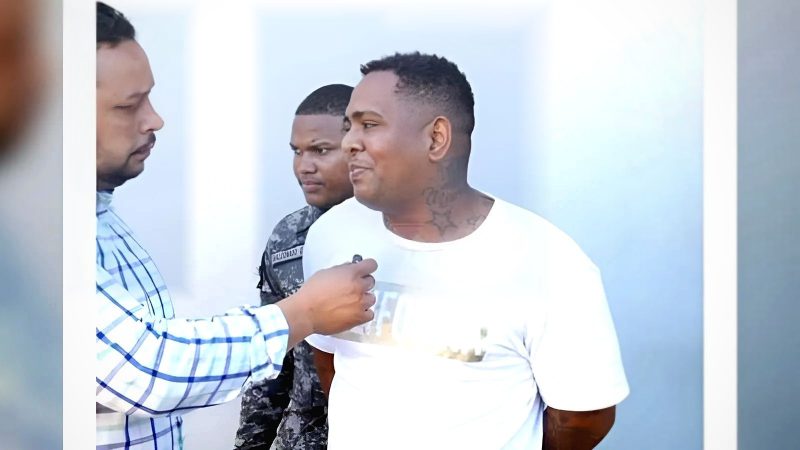


Dominican Gang Members integrate gangs like Los Trinitarios and Dominicans Don’t Play (DDP), which employ machetes as a symbolic weapon to instill terror in the US and Spain. These groups, born in prisons and streets of New York, have crossed oceans bringing extortion, robberies, and homicides.
Origins in New York and Global Expansion
Los Trinitarios emerged in 1989 in New York prisons under the command of El Caballo, a leader of Dominican roots. Today they operate in states like New Jersey, Florida, and even Alaska, with ties to international criminal networks. Meanwhile, DDP formed in 1991 in Manhattan, dominating areas in the Bronx, Harlem, and Lower East Side, and expanding to cities in New Jersey such as Paterson and Jersey City.
In Spain, their footprint grows. The Observatory of Violent Juvenile Gangs reports clashes in Valladolid, in neighborhoods like La Merced, Tenerías, and the Ribera de Castilla park. The Zambrana youth center registers more admissions of young people linked to these factions.
Recent Arrests and Pattern of Aggressions
Ambush in Madrid with machetes and gunshots
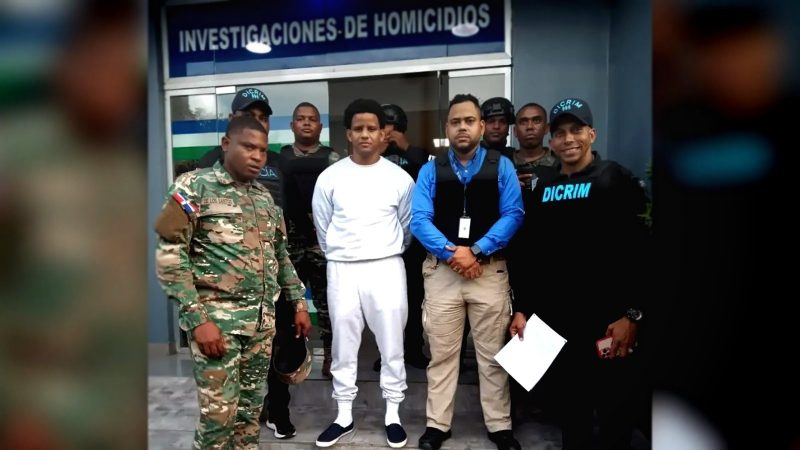
This week, police in Madrid arrested ten members of DDP for attempted murder in Carabanchel. On March 23, 2025, after detecting Trinitarios in their territory, they set a trap: they hid in a doorway and attacked with machetes, added to three gunshots. The investigation, led by the Provincial Information Brigade, dismantled the cell.
Another case in November 2025 in the Latina district: three Trinitarios, two minors, stabbed a young man with knives after checking his social media, believing him to be a DDP member. The abdominal wounds almost cost him his life.
Evolution towards Organized Crime
Experts note a transition: from territorial fights with machetes to violent robberies and firearms. In Madrid, they estimate 800 members, mostly Trinitarios and DDP, recruiting minors from 9 years old in parks and schools. The 60% are children, according to 2021 data, with increasing use of cyberattacks and scams.
The Ministry of the Interior lists 600 violent juvenile gangs in Spain, seven of them “Latinos”. Dominican Gang Members lead in hotspots like Villaverde and Vallecas. Anthropologists like Carles Feixa attribute their rise to poverty and dislocation, where gangs offer identity.
- Common Crimes: Robberies, extortion, drug trafficking with machetes, knives, and pistols.
- Key Areas in Spain: Madrid (Carabanchel, Latina), Valladolid (Avenida Soria, Calle Sinagoga).
- In the US: New York and New Jersey as strongholds.
Authorities urge regulating the sale of bladed weapons and separating gangs in prisons. Dominican Gang Members continue to defy the law, but operations like those in Madrid show progress in their containment.