
Noelia Castillo Ramos, a 25-year-old woman from Barcelona, has crossed borders and sparked ethical debates worldwide. After a long legal battle, the procedure was recently carried out, prompting immediate reactions from various countries. Noelia, who suffered from a severe degenerative disease, became a symbol of the dilemmas surrounding the right to die with dignity.
The Legal Battle of Noelia Castillo Ramos
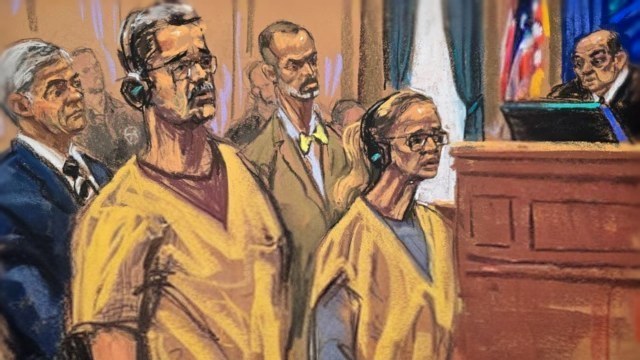
Since 2021, Noelia fought in Spanish courts to access euthanasia, backed by the 2021 law regulating this practice. Her condition, a neuromuscular disorder that took away her mobility and autonomy, led her to argue unbearable suffering. The Justice finally authorized the act, but not without controversy over her decision-making capacity and the role of the family.
Bukele’s Criticism of Noelia’s Euthanasia
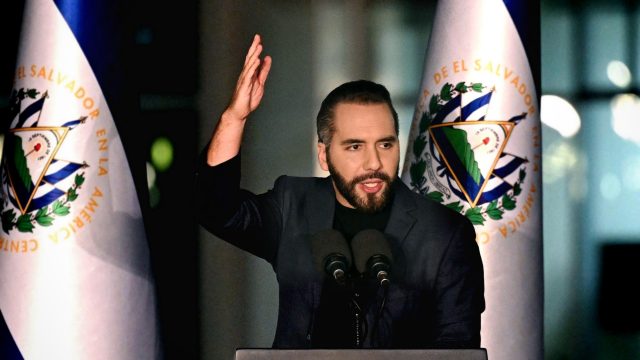
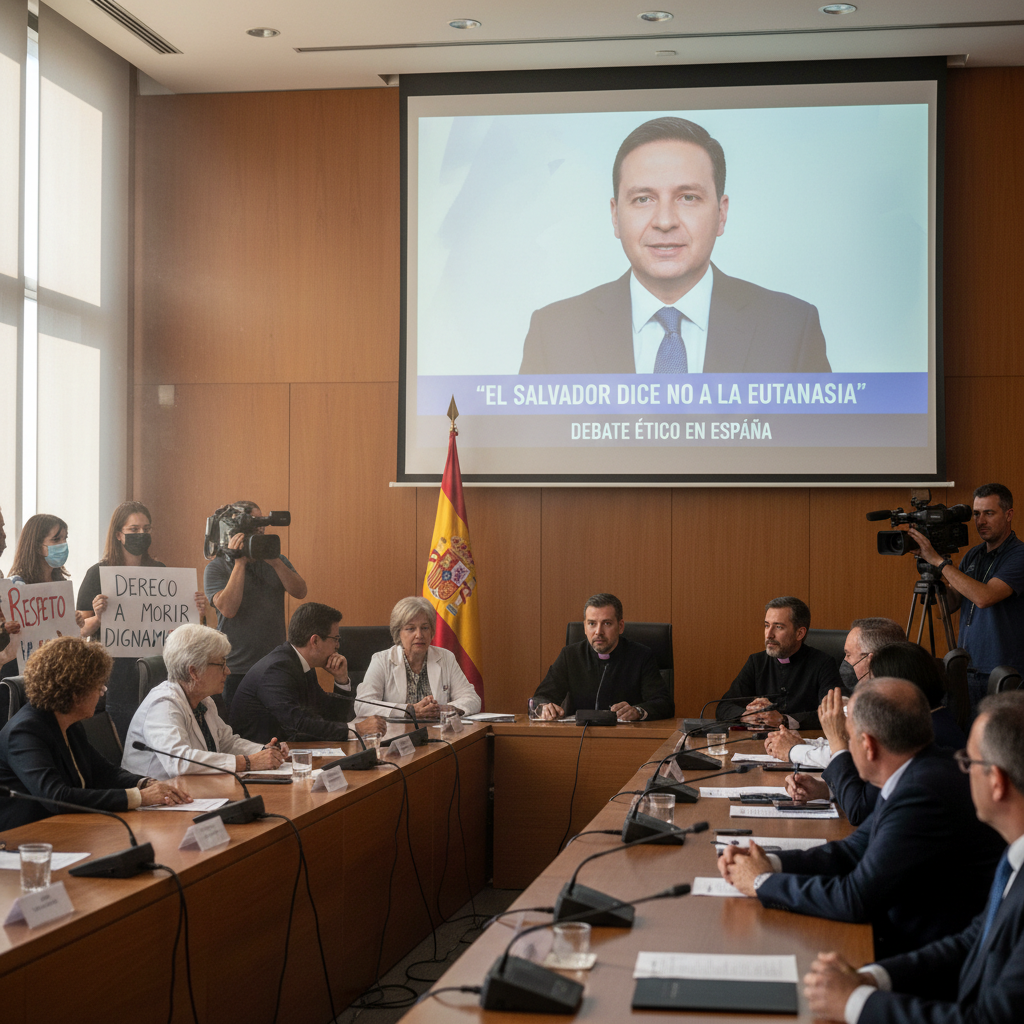
The president of El Salvador, Nayib Bukele, expressed his frontal rejection via social media. “Sad to see how in Spain they promote death instead of life”, he wrote, questioning the European cultural drift. This stance resonates with his conservative vision, aligned with pro-life positions in Latin America.
Legal Context in Spain
Since the euthanasia law was approved in 2021, Spain has registered over 600 approved cases by 2024, according to official data from the Ministry of Health. Noelia’s euthanasia stands out for its media visibility, similar to precedents like Ramón Sampedro in 1998, which inspired subsequent legislation.
- Noelia’s Disease: Juvenile variant of amyotrophic lateral sclerosis, diagnosed at 18 years old.
- International Reactions: Support from pro-euthanasia associations in the Netherlands and criticism from Catholic groups in Latin America.
- Statistics: 93% of euthanasias in Spain correspond to cancer or neurological diseases.
Experts in bioethics, such as Professor Javier Sádaba, point out that Noelia’s euthanasia exposes tensions between individual autonomy and state protection. In the Dominican Republic, where euthanasia remains prohibited, the case invites reflection on ethical limits without similar legislation.
Media and Social Impact
Noelia Castillo Ramos’s story filled European and American headlines, with documentaries and TV debates. Organizations like the Right to Die with Dignity celebrated the decision, while opponents see it as a step towards the trivialization of death. Bukele, with millions of followers, amplified the echo on social media.
Noelia’s euthanasia not only closes a personal chapter but also rekindles global discussions on end-of-life issues, human rights, and cultural values. In a polarized world, this case highlights the gap between progressive legislation and traditional resistances.