







NASA has forecast favorable weather for the splashdown of the Artemis II mission this Friday near the coast of San Diego, California. The astronauts will return aboard the Orion spacecraft, which has already left the lunar sphere of influence and is under Earth’s gravitational control. This projection offers optimism to the teams on the ground, with the USS John P. Murtha ready to receive the crew about 475 nautical miles (879 km) from the zone.
Final preparations and precise schedule
NASA Administrator Jared Isaacman expressed confidence in this Tuesday’s press conference. The spacecraft will begin module separation at 19:33 U.S. Eastern Time (23:33 GMT), with splashdown scheduled for 20:06 (00:06 GMT Saturday). The four astronauts—Reid Wiseman, Victor Glover, and Christina Koch from NASA, and Jeremy Hansen from the Canadian Space Agency—are preparing equipment and suits for re-entry.
Mission context and progress of the Artemis program
Artemis II marks the first crewed orbital flight around the Moon since Apollo 17 in 1972, completing a 10-day journey with key observations of the lunar far side. This data will boost the Gateway lunar base and missions to Mars. During the trip, the crew reported flashes, dust, and new lunar colors, enriching scientific knowledge.
Climate monitoring from the start
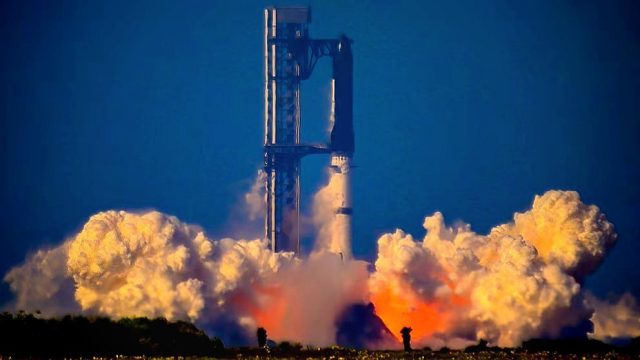
NASA monitored the favorable weather since the launch on March 31 from Cape Canaveral, releasing weather balloons to measure winds and clouds. Initially, there was a 20% risk due to clouds and lightning, but conditions progressively improved. Flight Director Rick Henfling confirmed the moonset at 17:23 GMT on Tuesday.
- Favorable weather in San Diego: 879 km windows for optimal selection.
- Clean launch: No major incidents reported.
- Presidential invitation: Donald Trump will receive the crew at the White House.
Isaacman described the mission as “a good start” for Artemis III and IV, planned for 2028 with lunar landings. “I’ll breathe easier post-re-entry,” he admitted, highlighting Orion’s performance. NASA will hold a press conference after the splashdown, ensuring transparency. This favorable weather for Artemis II in San Diego reinforces U.S. space leadership, with global implications for future exploration.