





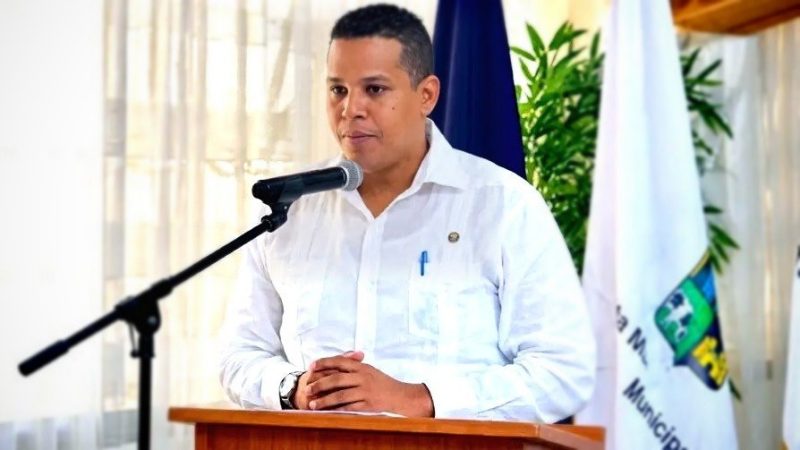

100% smoke-free spaces and the prevention of youth smoking were the focal points of the proposal presented by the Ministry of Public Health in Santo Domingo, within the framework of a PAHO/WHO technical cooperation mission. The initiative seeks to reinforce the protection of the population against tobacco smoke and other emissions in shared places.
According to the content released by the institution, the discussion focuses on strengthening the enforcement of 100% smoke-free environments in the country. This approach aligns with the strategy followed by several health systems in the region, where protection in enclosed spaces is considered one of the most effective measures to reduce exposure to secondhand smoke.
The World Health Organization has historically maintained that ventilation and designated smoking areas do not completely eliminate the risk, which is why it recommends totally smoke-free environments. In this context, PAHO/WHO technical cooperation provides specialized support to the local strategy.
100% smoke-free spaces and the protection of minors
The youth component holds a central place. Health authorities insist on preventing the early onset of tobacco use, a habit that usually becomes established at an early age and later increases the risk of dependence. Public Health also seeks to prevent smoking from becoming normalized in everyday environments frequented by adolescents.
- Reduction of smoke exposure in enclosed places.
- Greater protection for children, adolescents, and workers.
- Reinforcement of the prevention of early consumption.
- Technical support to improve the enforcement of the regulation.
Public Health and PAHO/WHO cooperation
The PAHO/WHO technical cooperation mission takes place as part of the process to consolidate stricter health policies against tobacco. In the region, the promotion of 100% smoke-free spaces is usually accompanied by educational campaigns, visible signage, and surveillance in health centers, schools, offices, and other commonly used facilities.
In the Dominican Republic, the debate gains relevance at a time when public health seeks to curb risky behaviors before they become permanent habits. For the authorities, the challenge is not only regulatory, but also cultural: changing the social perception of smoking and reducing its presence in spaces where minors and non-smokers coexist.
100% smoke-free spaces and sanitary control
The core content does not detail new figures or sanctions, but it does confirm a clear institutional line: moving towards more protected environments that are less exposed to tobacco emissions. This objective aligns with international evidence that associates secondhand smoke with respiratory and cardiovascular damage, especially in vulnerable populations.
Public Health thus brought to the table a priority that combines regulation, prevention, and education. In practice, the effectiveness of 100% smoke-free spaces will depend on supervision, citizen compliance, and the continuity of campaigns directed at youth and school communities.
If the policy moves forward with technical support, 100% smoke-free spaces, youth prevention, and stricter surveillance could become the pillars of a broader Public Health strategy against smoking.


