




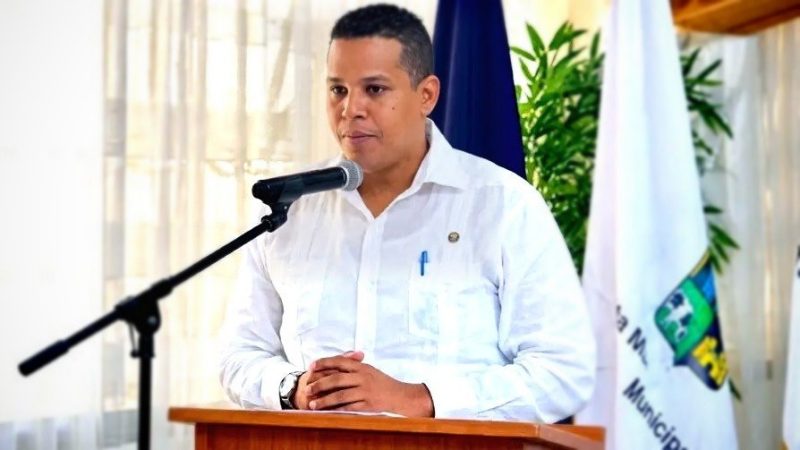

The eradication of hunger in the Dominican Republic represents a direct improvement in the population’s health, as stated by the executive director of the National Health Service, Julio Landrón, who emphasized that proper nutrition reduces risks and strengthens disease prevention.
Landrón explained that moving off the world hunger map has not only social or economic value, but also sanitary significance. The eradication of hunger in the Dominican Republic impacts physical development, school performance, productive capacity, and the body’s response to chronic and acute diseases.
This statement comes in a context where the Dominican government has reported progress in food security. According to recent official data, the country reduced undernourishment below the international threshold that defines hunger, and was placed among the top five in the region declared zero hunger.
eradication of hunger in the Dominican Republic and disease prevention
In public health, the relationship between nutrition and disease is direct. The lack of stable access to sufficient and nutritious food increases the risk of malnutrition, anemia, low immunity, and complications during pregnancy and childhood. Therefore, the eradication of hunger in the Dominican Republic can also translate into less pressure on hospitals and primary care services.
Proper nutrition is a determining factor in disease prevention, especially in vulnerable households.
In this scenario, the SNS and other state entities have insisted that health depends not only on medical care, but also on basic conditions such as income, education, access to food, and territorial stability.
eradication of hunger in the Dominican Republic: the weight of food security
The debate on the eradication of hunger in the Dominican Republic is connected to official programs supporting vulnerable families, improvements in food distribution, and actions to increase food self-sufficiency. Data cited by the government indicate that undernourishment was reduced by 55% and that food self-sufficiency went from 88.5% in 2019 to 90.6% in 2023.
eradication of hunger in the Dominican Republic as a sustained challenge
Food security experts often warn that these advances require continuity, institutional coordination, and investment in production, nutrition, and rural development to avoid relying on temporary measures. In sanitary terms, the eradication of hunger in the Dominican Republic would only have a real effect if permanent access to sufficient, safe, and quality diets is maintained.
Landrón thus placed the discussion at a key point: the eradication of hunger in the Dominican Republic is not only a social goal, but a basic condition for a healthier population, with fewer preventable diseases and better development opportunities. The eradication of hunger in the Dominican Republic will continue to be, according to the health perspective, a central piece for strengthening collective health in the Dominican Republic.