





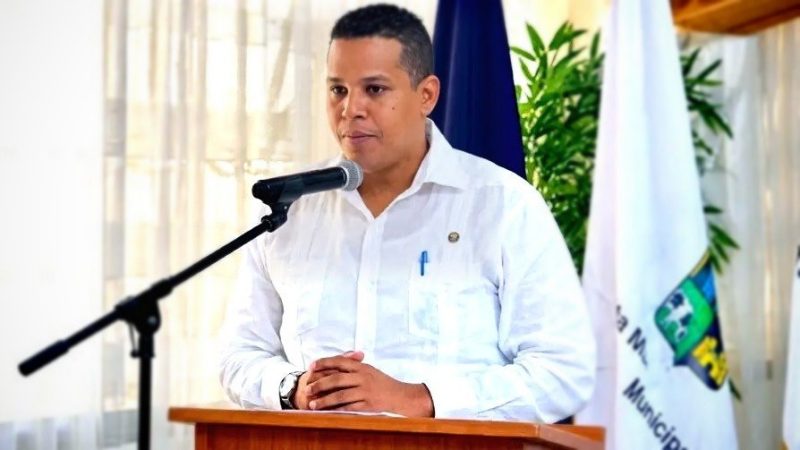

Dr. Fadul and autism returned to the center of the debate following the meeting held by the US Ambassador to the Dominican Republic, Leah Campos, with US Health Secretary Robert F. Kennedy Jr., which was also attended by Vice President Raquel Peña and Health Minister Víctor Atallah. The meeting addressed the proposal by physician José Ernesto Fadul regarding the use of natural supplements to treat autism and a possible expansion of the Make America Healthy Again initiative into the country.
The issue is significant. Dr. Fadul and autism has generated controversy because autism spectrum disorder has no cure recognized by scientific evidence, although there are early interventions that help improve development, communication, and behavior. The discussion moves along that line: between supportive treatments and claims of a cure that the medical community questions.
According to previous reports, Fadul maintains that his approach is based on nutritional supplements and amino acids, with the promise of improvements in speech, sociability, and behavior. However, doctors consulted in previous publications have warned that there are no proven scientific articles supporting a cure for autism with vitamins or amino acids.
The National Bioethics Council on Health also previously reported that it has not received a formal protocol, nor a backed investigation, regarding that treatment. This background places the discussion on sensitive ground: the difference between medical supplementation, nutritional support, and alleged curative therapies without robust validation.
Dr. Fadul and autism under scientific scrutiny
Autism spectrum disorder is a neurodevelopmental condition, not an infectious or degenerative disease. For this reason, specialists usually insist that we do not speak of a cure, but rather of individualized support, early diagnosis, and therapies adapted to each case.
- Clinical evaluation usually includes language, behavior, and social development.
- The most commonly used interventions combine speech therapy, behavioral support, and medical follow-up.
- Supplements only have proven utility when they correct specific deficiencies.
Dr. Fadul and autism: political and sanitary impact
presencia of Dominican authorities and a high-ranking US health official gives the case an institutional dimension. Not only is a therapeutic method being discussed; it is also being evaluated how a country can adopt or dismiss initiatives that are presented as innovative, but that require scientific backing before becoming public policy.
In the United States, the FDA and clinical guidelines on autism maintain that there is no evidence to speak of a single cure. In the Dominican Republic, the debate adds an additional layer: the need for any proposal for autism to undergo ethical, scientific, and regulatory review before being promoted as a solution.
What this meeting left clear is that Dr. Fadul and autism is no longer just a local medical controversy, but an issue that touches upon diplomacy, public health, and scientific credibility. The discussion will remain open as long as verifiable clinical data are not presented to support the proposal with reproducible results and formal supervision.


