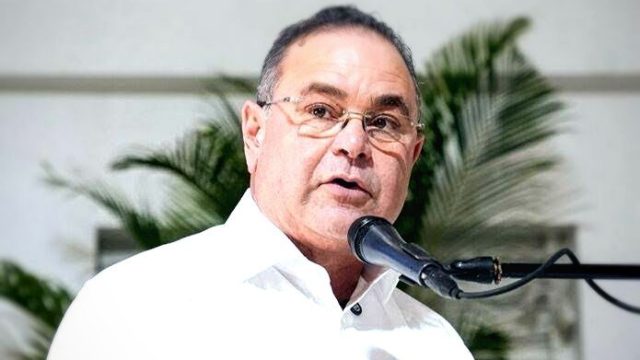


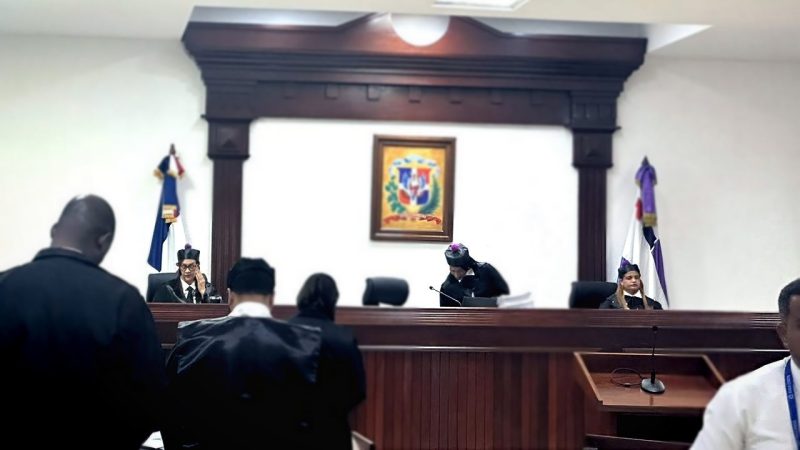






Doctors detained in the SeNaSa 2.0 case concluded their interrogations today at the General Prosecutor’s Office (PGR). The process was carried out within the framework of the investigation being followed by the Public Ministry in relation to the alleged practice of a bribery and fraud scheme in the allocation of health resources.
Interrogations Development
During the day, lawyer Santo Liriano, legal representative of one of the investigated, questioned several actions of the Public Ministry. He stated that the raids on the homes of the doctors had been unnecessary, as he claimed that approximately a year had passed since the first operation and that, in his opinion, there was no risk of destruction of evidence.
The jurist also stated that in the interrogations, the charges or the foundation of the investigation were not explained in a concrete way. According to Liriano, the questions focused mainly on knowing the relationships of the doctors with people they know and on possible transactions. The lawyer indicated that the defense is prepared to go to court and question the basis of the accusations that may be presented.
Next Steps in the Investigation
It is expected that in the next hours the Public Ministry will deposit the request for coercive measures, which will determine which investigated will remain under custody and who may recover their freedom. The Public Ministry will explain to the detainees the charges against them, in accordance with the legal framework and established procedures.
Context of the SeNaSa 2.0 Case
The SeNaSa 2.0 case remains one of the most controversial processes in the field of public health. It is an investigation that involves the alleged falsification of documentation and the improper allocation of resources for the purchase of medical equipment. The authorities have pointed out that it is a practice that directly affects the quality of the health services received by citizens.
Implications for the Health System
The determination of coercive measures and the subsequent resolution of the process will have a significant impact on the public’s confidence in health institutions. A transparent and rigorous process is essential to restore the credibility of public entities responsible for the management of health resources.
Credits: n.com.do