
Revocation and Immediate Effects
Diplomatic Passport Issued by Surinam Was Revoked for Xaviera Jessurun After She Was Charged in a Criminal Investigation for Corruption in the Surinam Aviation Company, a Decision That Places Secretary General Albert Ramdin Under Institutional Pressure.
Case Details
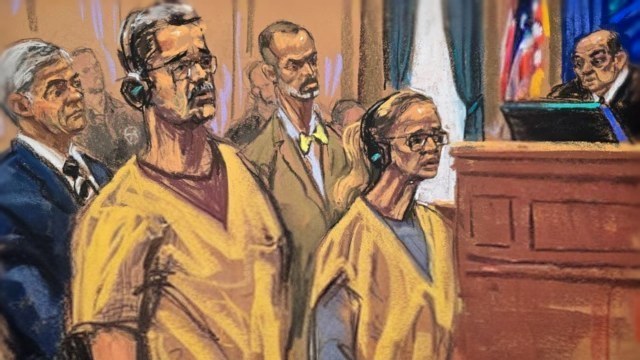
The Charge Against Jessurun, Who Was Charged on February 2, 2025, Is Part of a File That Investigates a Suspected Corruption, Fraud, and Forgery Scheme in the State-Owned Airline; Paul de Haan and Prenobe Bissessur Are Also Involved in the Case.
Notification and Deadline
The Surinam Chancellery Notified the Revocation and Ordered the Delivery of the diplomatic passport Within 14 Days at the Nearest Embassy, Arguing That Maintaining the Document Could Facilitate the Evasion of the Criminal Process.
Links and Responsibilities
Before Assuming Office at the OEA, Ramdin Was the Chancellery of Surinam and Knew Jessurun’s Judicial Situation; Despite This, He Appointed Her in May 2025 and Downplayed the Evidence Incorporated into the File When Asked About the Case.
Institutional Reactions
The Measure Triggered Surprise and Discomfort in the US Department of State Due to Its Unprecedented Nature and the Impact on the OEA’s Image; US Representatives, Including Deputy Secretary Chris Landau, Have Expressed Questions About the Geopolitical Value and Return on Investment in the Organization.
- The Revocation of the diplomatic passport Was Promoted by a Letter from Attorney General García Paragsingh, Who Considers Jessurun Formally Suspect in the Investigation.
- OEAS Officials Face Internal Demands for the Administrative and Political Management of Ramdin, in an Environment Marked by Previous Criticisms of His Stance on Venezuela and the Use of Funds for Renovations.
Implications for the OEA
It Is Unusual for a Secretary General to Maintain a Principal Advisor Who Has Been Charged in a Criminal Investigation in Their Country of Origin, Obliging Ramdin to Decide Quickly About the Continuation of His Advisor’s Employment and the Institutional Credibility.
“Maintaining a Diplomatic Passport in These Circumstances Could Facilitate the Evasion of the Criminal Process,” Noted the Surinam Chancellery in the Administrative Decision.
The Revocation of the diplomatic passport for Jessurun Intensifies the Political Crisis in the OEA and Raises Questions About Internal Controls, Transparency, and the Organization’s Ability to Manage Conflict of Interest Within Its General Secretariat.
In the Coming Days, the Delivery of the diplomatic passport and Albert Ramdin’s Decision on the Continuation of His Advisor’s Employment Will Determine Whether the Organization of American States Can Contain the Reputational Damage Caused by This Case.