


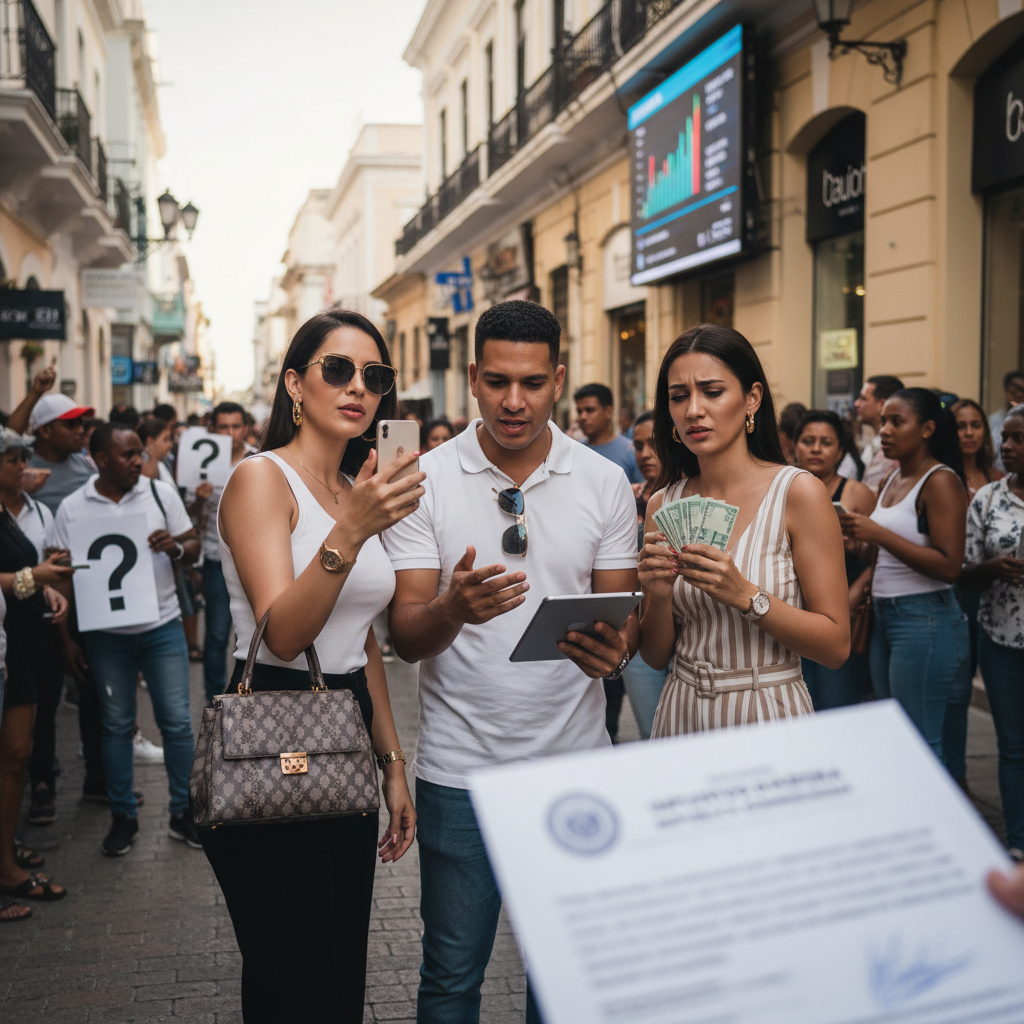
A digital economy advisor in diaspora with a long track record in the US has launched a serious warning to Dominican influencers and content creators living inside and outside the country, in the face of the rapid growth of the digital economy and the income they generate on international platforms.
According to this digital economy advisor in diaspora, thousands of Dominicans are monetizing their audiences today on services like Amazon Affiliates, YouTube, TikTok, Instagram, Facebook, Spotify, Twitch, OnlyFans, Patreon, Fiverr, Upwork, and other US-based platforms, without fully knowing their tax obligations.
These payments are considered US source income and, when the beneficiary is foreign, are usually subject to a standard withholding of up to 30% that is reported through the Form 1042-S, a key fiscal document for any creator who invoices from abroad.
Dominican influencers and the Form 1042-S
The digital economy advisor in diaspora explains that the Form 1042-S is the official document where the paying company details how much they paid the creator and how much they withheld in federal taxes. That information is the basis for claiming possible refunds or tax credits, depending on the situation of the taxpayer and the agreements between countries.
For income generated in 2025, companies are required to issue and deliver the 1042-S by no later than March 15, 2026, a date that the specialist considers critical within the fiscal calendar for Dominican influencers living in diaspora or residing in the Dominican Republic but earning from the US.
Digital economy and risk of losing refunds
The expert warns that ignorance makes many creators ignore the 1042-S or lose it, effectively giving up reviewing if they can recover part of the withholding applied. He emphasizes that not having managed that documentation in previous years does not automatically mean losing those amounts, as long as action is taken within the legally established deadlines by the Internal Revenue Service (IRS).
For the Dominican diaspora, where the digital economy is growing sustainably among young people who combine traditional jobs with social media content, the risk of fiscal errors multiplies when there is no specialized advice.
Diaspora tax advisor asks for fiscal education
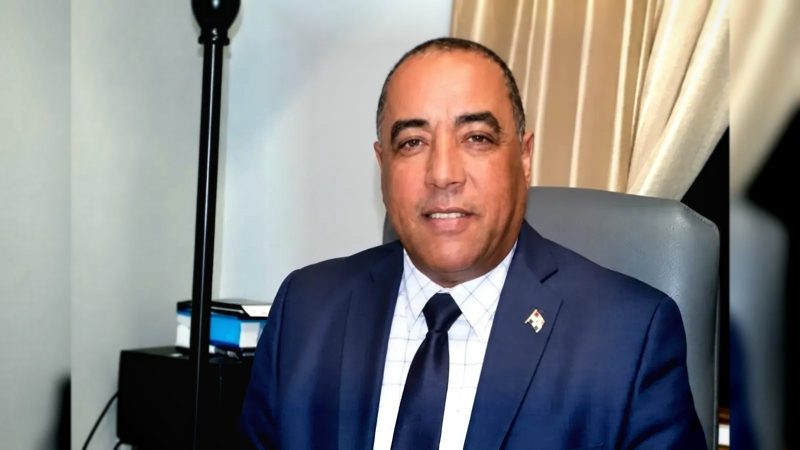
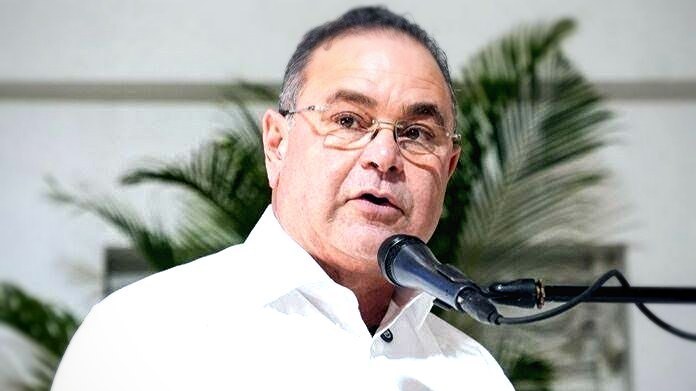
The digital economy advisor in diaspora, identified as Héctor D. Núñez, is a tax professional with almost five decades of experience in the US, over three decades of practice in New York, and accreditation as an authorized IRS agent and Acceptance Agent (CAA). From his firm Núñez Tax Service, Inc., he insists that the key to protecting income is the combination of fiscal education and professional accompaniment.
In an environment where the digital economy is already a primary source of support for many dominican influencers in diaspora and in the Dominican Republic, Núñez stresses that knowing the Form 1042-S, understanding the 30% withholding, and seeking guidance from a digital economy advisor in diaspora is no longer optional and becomes an essential tool to ensure responsible and sustainable financial management.