








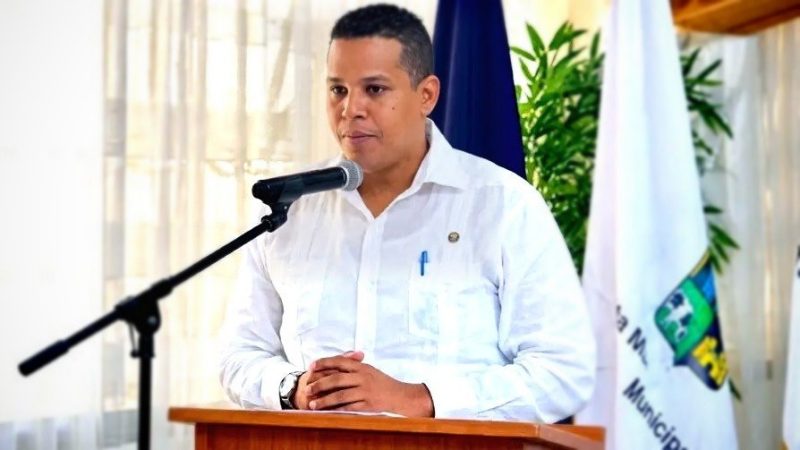

Pending laws remain at the center of the national debate following the recent call by the Dominican Council of Evangelical Unity (CODUE) to the National Congress. The entity, led by Reverend Feliciano Lacen Custodio, urged lawmakers to comply with the approval of more than one hundred pending laws required by the Dominican Constitution, especially in the context of the 181st anniversary of the Magna Carta.
Legislative backlog and CODUE’s demand
Reverend Lacen Custodio warned about the sizable legislative backlog that affects institutional framework and the strengthening of the Social and Democratic State of Law. This situation is aggravated in light of the constitutional reform of October 2024, which reiterated the obligation to approve various pending laws considered vital for the country’s development.
Pending laws vital for national development
Among the pending laws pointed out by CODUE are:
- Regulation of real estate property in the border zone (article 10.2).
- Territorial distribution of benefits from natural resources (article 17.4).
- Laws guaranteeing the right to privacy, protection of honor and image (article 44).
- Freedom of assembly, access to public media, popular legislative initiative, and functions of civil governors (article 198).
- Mechanisms for citizen participation through referendums and plebiscites (articles 203 and 210).
These delays impact key rights and democratic participation, according to experts consulted by Orgullo Dominicano. Failing to advance these pending laws hinders the modernization of public administration and limits citizen guarantees.
The role of the National Congress in constitutional compliance
CODUE recalled that, beyond the Executive Branch’s willingness to include transitional provisions, the primary responsibility lies with the National Congress. “Honoring the Magna Carta requires concrete actions, not just speeches,” Lacen Custodio emphasized.
The situation has been highlighted in independent reports, such as periodic evaluations by civic organizations, which attribute the slowness to insufficient political consensus and a lack of social pressure. In the past, only 60% of the laws mandated by the Constitution have been promulgated within the recommended timeframes, according to data published by the Dominican Political Observatory.
Reactions and public debate on pending laws
The issue of pending laws has also gained relevance among civil society organizations, who consider that the postponement affects the full validity of the rights recognized in the Magna Carta. CODUE’s call is not isolated; actors such as FINJUS and Participación Ciudadana have requested in multiple public forums a transparent and detailed schedule for the processing of these pending laws, arguing that it would strengthen institutional trust. More information on relevant legislative debates can be found in our nacionales section.
Perspectives and legislative challenges
Recent approvals such as that of the new Penal Code, recognized by CODUE itself, demonstrate that technical and political capacity exists to move forward, although obstacles persist in initiatives related to citizen participation and civil rights.
The final approval of these pending laws, according to constitutional analysts and entities such the Central Electoral Board, is essential for the consolidation of the rule of law and Dominican democratic credibility (Central Electoral Board).
The debate on pending laws will continue to set the agenda in Congress and among social organizations until this institutional debt is settled, considered key for the democratic and legal advancement of the Dominican Republic.