









Breastfeeding Rooms of Banco BHD: the Ministry of Public Health recognized the financial institution for its support of breastfeeding and for maintaining adapted spaces for working mothers, according to the information disseminated in the source content.
The recognition is framed in public policies that seek to protect breastfeeding in the workplace, a topic that combines health, productivity, and women’s rights. In the Dominican Republic, these spaces do not limit themselves to a physical room: they must meet technical and sanitary criteria to be certified by the authorities.
Breastfeeding Rooms of Banco BHD and Institutional Support
According to available information, Banco BHD was highlighted by the Ministry of Public Health and the National Commission for Breast Milk for its commitment to promoting breastfeeding, strengthening that right, and protecting working mothers. That support places the entity among private companies that have bet on formalizing this type of facility.
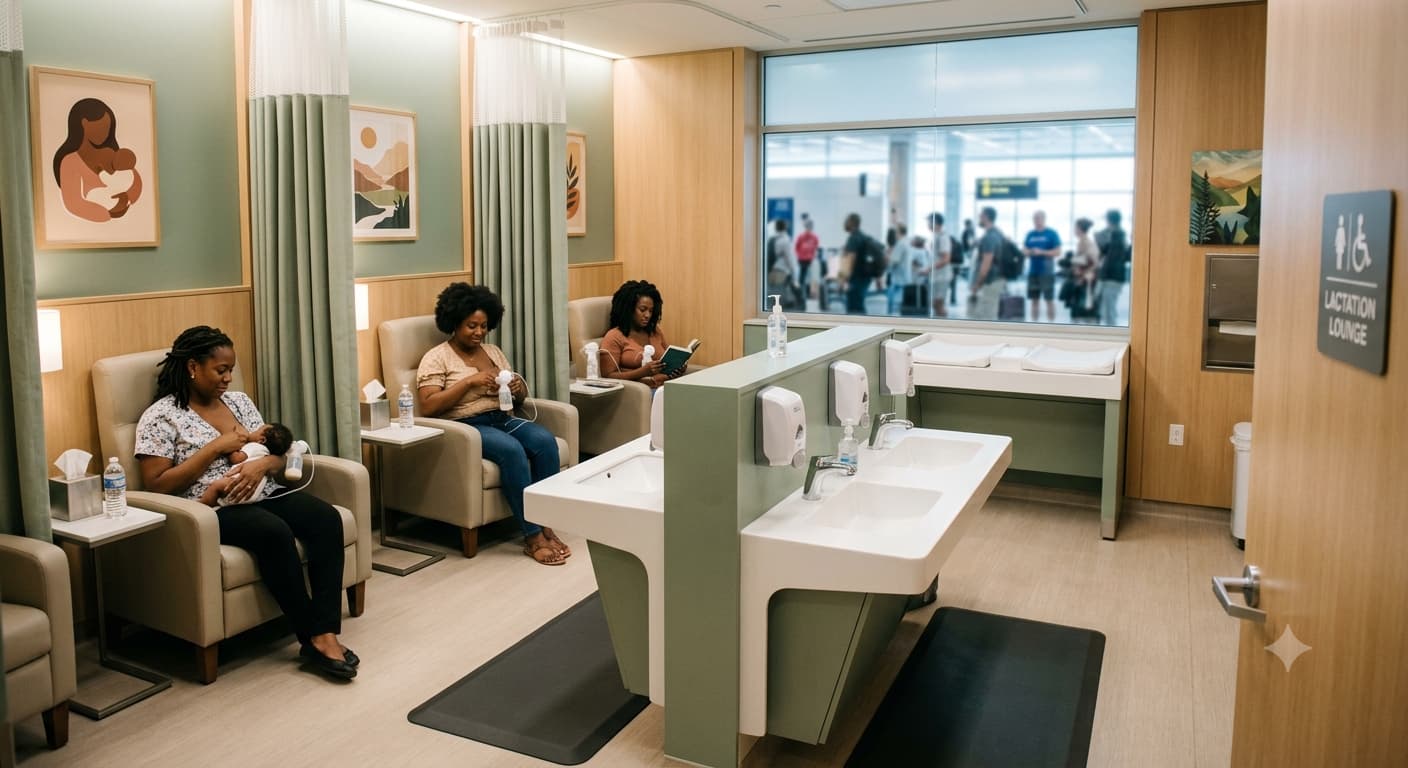
Certification and recognition of this type usually require conditions such as privacy, hygiene, adequate equipment for milk extraction and conservation, and an environment that allows the mother to continue her work without affecting the baby’s feeding. That approach responds to standards established by health authorities and legal provisions on health and work.
Breastfeeding Rooms of Banco BHD as a Business Practice
The case of Banco BHD is not isolated. In recent years, other financial institutions and public organizations in the country have created certified rooms or support spaces for breastfeeding, which has made the topic a more visible practice within corporate social responsibility.
- Protects the continuity of breastfeeding.
- Favors the return to work of mothers.
- Reduces barriers for extracting and conserving milk.
- Strengthens compliance with sanitary norms.
What do these Breastfeeding Rooms of Banco BHD mean for the Labor Sector
The Breastfeeding Rooms of Banco BHD also send a signal to the rest of the private sector: adapting spaces for lactating mothers is no longer perceived as just a corporate gesture, but as a measure aligned with public health and labor well-being. In urban environments and high labor demand, this type of infrastructure can make the difference between abandoning or maintaining breastfeeding.
The Ministry of Public Health has promoted in recent years programs to expand the network of support for breastfeeding in public and private institutions. In that context, the recognition of Banco BHD reinforces a trend that is gaining ground: integrating motherhood into work with safer and more functional conditions.
Breastfeeding Rooms of Banco BHD and the Debate on Rights
Beyond the protocolary act, the recognition puts on the table a central point: breastfeeding also depends on concrete labor policies. When a company enables suitable spaces, it facilitates that mothers maintain the recommended feeding for their children for longer and with fewer interruptions.
With this recognition, the Breastfeeding Rooms of Banco BHD remain as a reference within a topic that continues to grow in the Dominican Republic: the creation of work environments more compatible with motherhood, infant health, and the rights of working women.


