










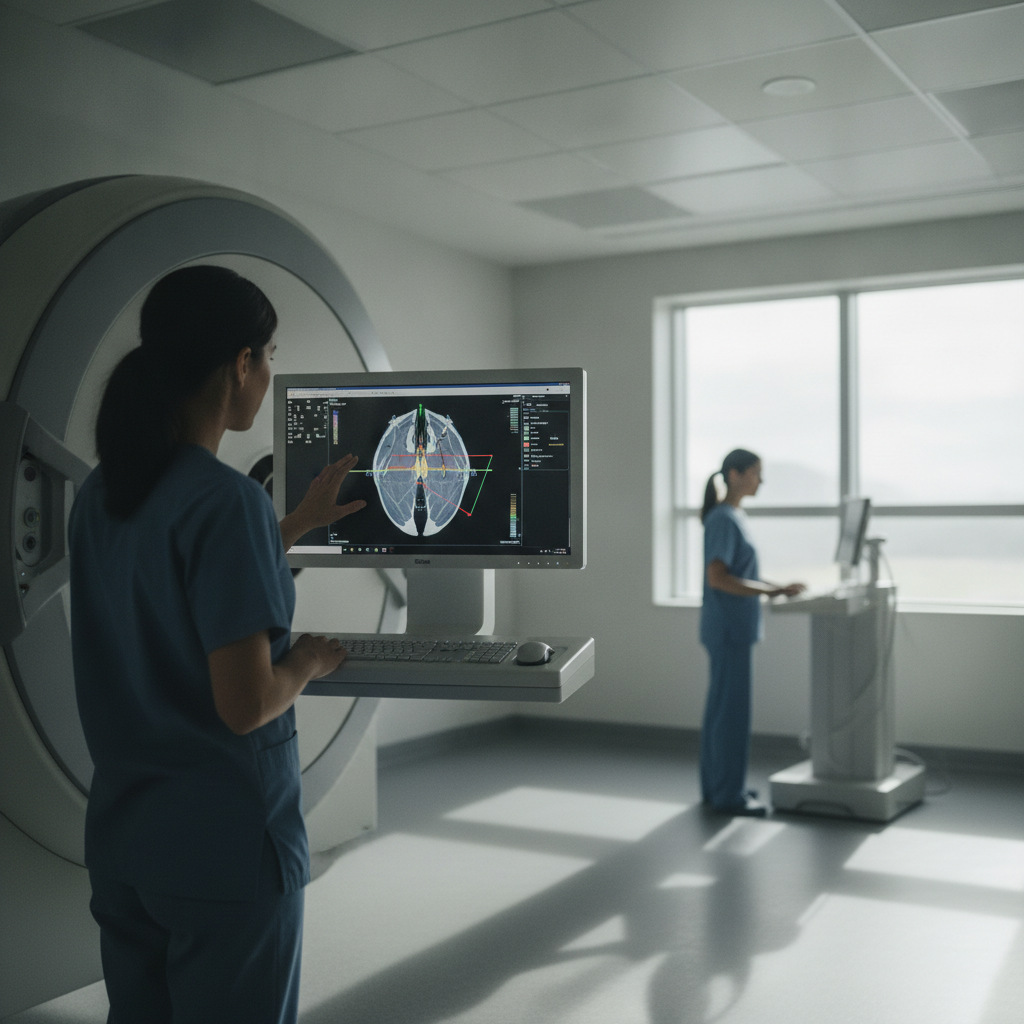
Radiation therapy advances are radically transforming cancer treatment, allowing for more precise, personalized, and significantly reduced side effects for patients. This was highlighted by Dr. Idalid Ivy Franco, a radiation oncology specialist at Mass General Brigham, who explained how these technological innovations improve clinical outcomes without sacrificing treatment effectiveness .
Why Radiation Therapy Advances Are Crucial Today?
Traditional radiation therapy, although effective, often damages healthy cells along with cancerous ones, generating complications like fatigue, skin problems, and hair loss . Current radiation therapy advances, such as image-guided external beam therapy and proton radiation, aim with extreme precision at the tumor, minimizing damage to surrounding tissues .
This precision is not just technical; it represents a paradigm shift in quality of life. Patients experience fewer mucositis, xerostomia, and retrosternal pain, common problems in head, neck, and esophageal treatments .
Personalization and Reduction of Toxicity
Radiation therapy advances allow adapting the dose and beam geometry according to each patient’s specific anatomy. Adaptive radiation therapy (ART), for example, has demonstrated improved local control of the disease and reduced acute skin toxicity in head and neck cancer .
“Healthy cells can be repaired more easily than cancer cells when damage is precise and localized”
This principle is the basis of radiation therapy advances: destroying the tumor while protecting the body. More than half of people with cancer receive radiation therapy as part of their treatment, and now with fewer risks .
Side Effects: What a What
Thanks to radiation therapy advances, effects like diarrhea, erectile dysfunction, or amenorrhea in pelvic treatments are less frequent . Even late complications like osteoradionecrosis or chronic enteritis have decreased in incidence .
Fatigue, one of the most common effects, is also mitigated with more efficient techniques requiring fewer sessions and ultra-short exposure times, such as in FLASH therapy .
The Future: Precision and Less Damage
Radiation therapy advances not only improve survival but transform the patient experience. From skin care with moisturizing creams to dental caries prevention through fluorination, the focus is integral .
In conclusion, radiation therapy advances represent the greatest qualitative leap in radiation oncology of the last few decades, offering safer, more effective, and more human treatments. Dr. Franco and her team at Mass General Brigham continue leading this revolution, ensuring that each patient receives the best possible care without the costs of traditional side effects.


