




Abinader and the internal challenge of PRM took center stage in the debate following statements by Vinicio Castillo, who argued that the president must prevent the competition for the 2028 candidacy from resulting in a fracture within the ruling party.
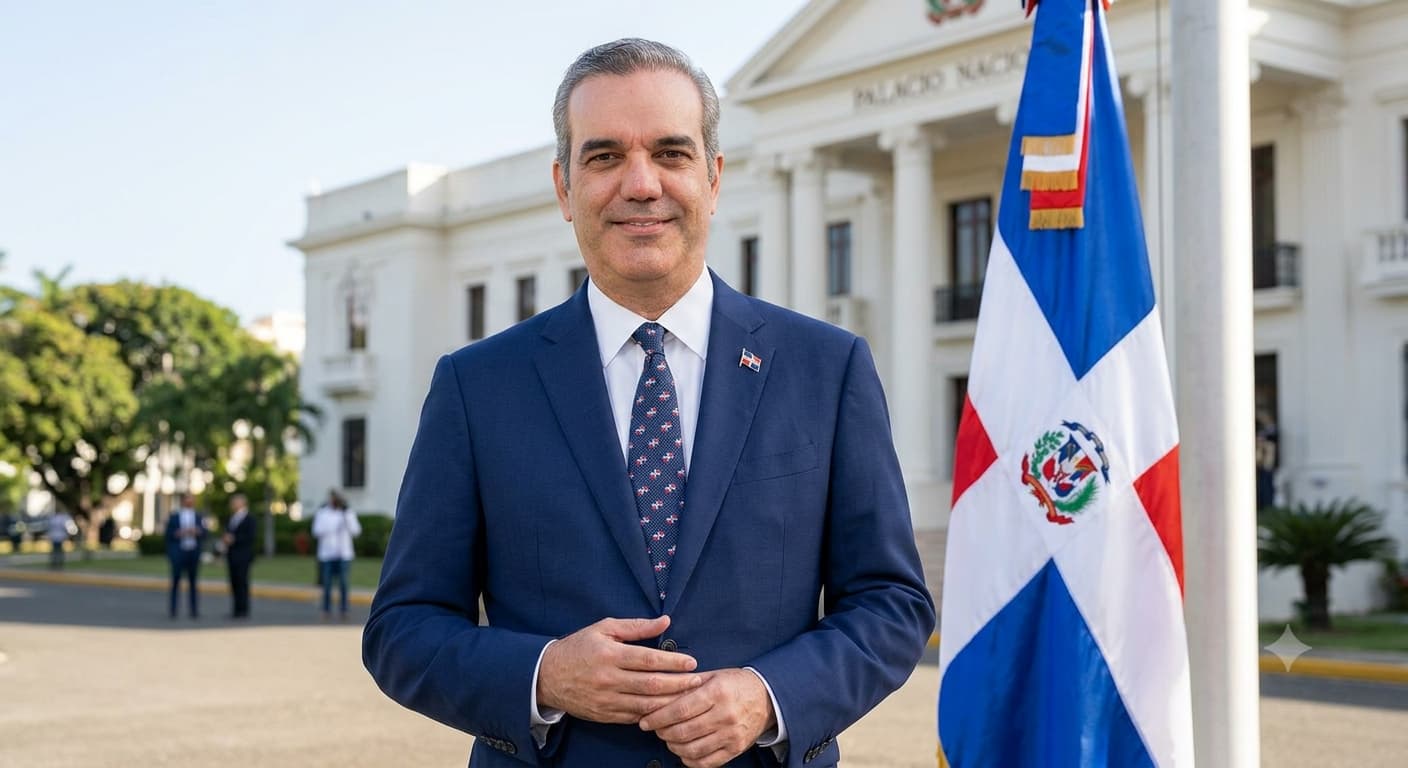
The leader of the Fuerza Nacional Progresista stated that Luis Abinader will assume a dual responsibility: leading the PRM and, at the same time, arbitrating the path toward the next presidential candidacy. According to his reading, that balance will be decisive for the ruling party to arrive united in 2028.
Castillo suggested that the selection of the next standard-bearer cannot be resolved solely through internal structure, but also with electoral pulling power. In that scenario, he placed David Collado and Carolina Mejía as the main names in the contest.
David Collado and Carolina Mejía in the tug-of-war
For Castillo, David Collado has reportedly consolidated his position with support within the party, while Carolina Mejía retains her own base due to her political work and her tie to the PRM structure. The tension, according to his analysis, is not only about leaderships, but about control of the party machinery.
In recent months, Abinader has also insisted publicly that internal conflicts must be handled within the party and not from the Government, a sign that the discussion about the succession has already begun to take shape. That message reinforces the idea that Abinader and the internal challenge of PRM is not a distant topic, but an immediate priority.
Leonel Fernández enters the equation
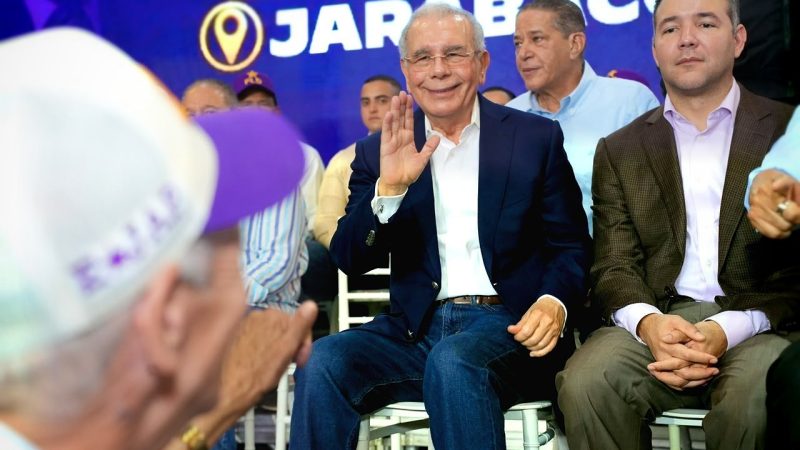
Castillo added that the PRM will have to gauge who has the best chance of facing Leonel Fernández, whom he sees as the main opposition reference heading toward 2028. That element, he explained, could weigh just as much as internal sympathies when choosing the candidate.
In practice, the challenge is not limited to defining a candidacy. It also implies avoiding friction between teams, stopping premature wear and tear, and sustaining the image of unity that the Government needs in the final stretch of Abinader‘s second term.
Abinader and the internal challenge of PRM for 2028
If the process gets out of hand, the political cost could be high for the ruling party. If handled with discipline, Abinader and the internal challenge of PRM could turn into a controlled transition, without rupture and with a competitive candidate for the next presidential election.
Abinader and the internal challenge of PRM, therefore, is no longer a hypothesis: it is the main political exam awaiting the president within his own organization. And, according to Castillo, much of the electoral future of the PRM will depend on how he manages it.