








The Dominican Government promulgated Decree 714-26, which establishes the Regulation of Coordination and Strategic Interest of the Digital Infrastructure of the State. With this norm, public institutions will have to coordinate their technological investments, reducing duplicated expenses and guaranteeing the security and interoperability of government systems.
Central Authority and Objectives
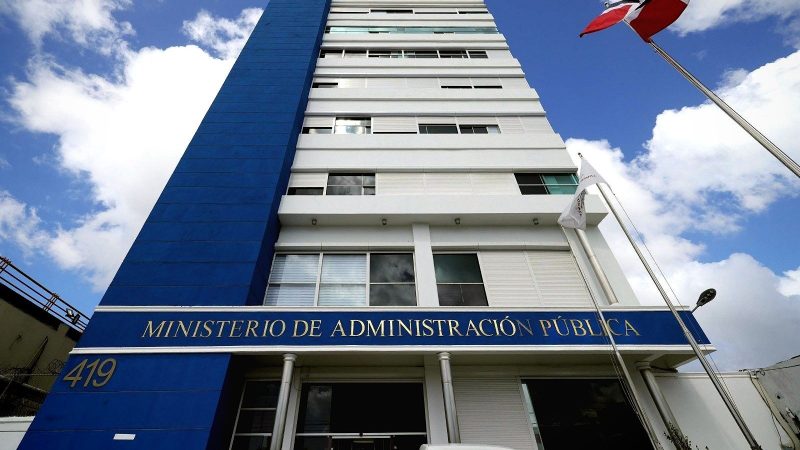
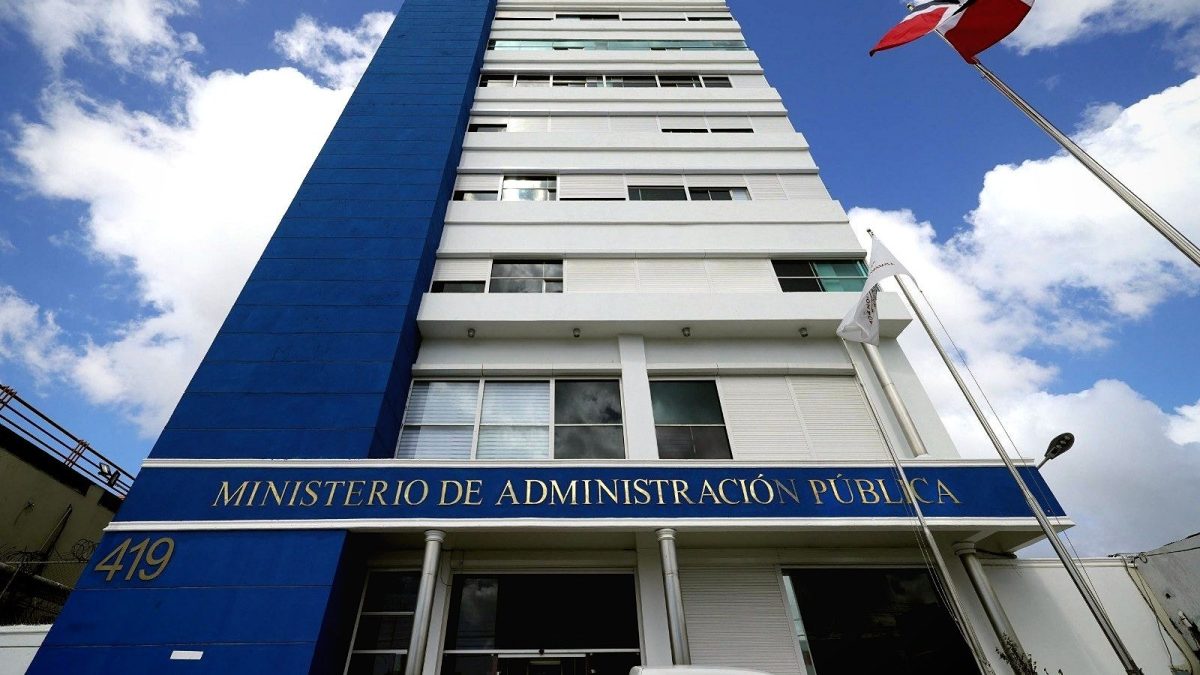
The Ministry of Public Administration (MAP) is designated as responsible for the evaluation, prioritization, follow-up, and technical control of strategic digital investments and contracts. The regulation covers the acquisition of computer systems, digital platforms, cloud services, and emerging technological solutions, and seeks to have entities share resources and use compatible systems.
Coordination of Purchases and Technical Commissions
One of the key provisions is the obligation to obtain a prior technical evaluation report from the MAP before initiating complex acquisition processes. Additionally, the decree encourages joint purchases between several institutions to take advantage of economies of scale and reduce duplications.
A Technical Interinstitutional Commission for Strategic Digital Investments and Contracts was created, coordinated by the MAP and integrated by representatives of the Ministry of the Presidency, the Ministry of Finance and Economy, the Government Office of Information and Communication Technologies (OGTIC), the General Directorate of Public Procurement (DGCP), and the National Cybersecurity Center.
Strategic Interest and Technological Sovereignty
Article 6 of the decree declares national strategic interest the integration, modernization, and strengthening of the sovereign digital infrastructure of the Dominican State, highlighting its importance for the continuity, security, and efficiency of public services. It is required that technological solutions guarantee interoperability, data portability, and the possibility of transferring or replacing systems without generating technical or commercial dependencies that limit the state’s decision-making capacity.
Minister of Public Administration’s Statements
Minister Sigmund Freund highlighted that the measure represents “an advance in the country’s technological governance”, by seeking to eliminate the fragmentation of spending and independent investments between state entities. “From this regulation, every peso invested in technology will respond to an integrated national strategy”, he added, emphasizing the improvement of digital services, the guarantee of their security, and the protection of the state’s sovereignty over citizens’ data.
Context and Impact
The decree arrives at a time when the public sector seeks to modernize in response to the growing demand for digital services from citizens. The coordination of investments and the standardization of purchase processes are presented as a solution to avoid the accumulation of isolated solutions that increase operational costs and reduce the efficiency of public agencies.
By establishing common criteria, the Government hopes not only to optimize spending but also to strengthen the digital infrastructure of the State, facilitating the provision of public services and protecting the country’s technological sovereignty.
Credits: n.com.do
Note generated automatically from the sources cited in the text. Found an error? Email us at [email protected] and we'll fix it.