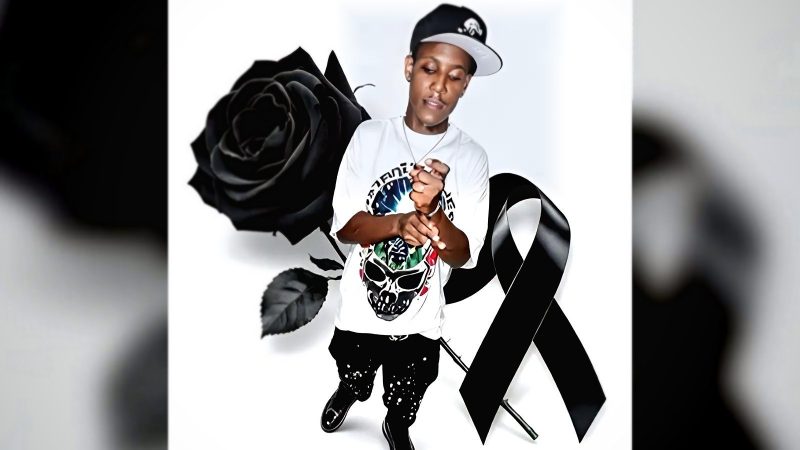









Today marks 16 years since the death of Luisito Martí, a milestone that shook Dominican culture. Luisito Martí, whose full name was Luis Bernardo Martí Hernández, left this world on January 3, 2010 at the age of 64, leaving a void in music, television, and film in the Dominican Republic.
Birth and early steps of Luisito Martí
Born on February 1, 1945 in Santo Domingo, Luisito Martí grew up in an environment that fostered his passion for the arts. From a young age, he stood out as a merenguero and composer, integrating traditional rhythms with innovative touches that popularized the genre in the 70s and 80s.
Multi-faceted legacy of Luisito Martí in multiple scenarios
In television, Luisito Martí presented iconic shows like El Show de Luisito, where his charisma conquered massive audiences. His versatility took him to film, participating in key Dominican films, such as Perico Ripiao, which captured the Caribbean essence.
Impact on the Dominican artistic industry
The death of Luisito Martí marked the end of an era, but his influence endures. Experts in Dominican culture highlight his role in professionalizing merengue, with over 20 recorded albums and collaborations with figures like Johnny Ventura. According to local chroniclers, Luisito Martí drove the export of Quisqueya talents to international stages.
- Composer of hits like “La Chispera”, which continues to sound at popular parties.
- Actor in at least 10 Dominican film productions.
- Presenter who defined television entertainment for generations.
At the death of Luisito Martí, thousands attended his wake in Santo Domingo, reflecting his popular roots. Art figures, such as telenovela producers, remember him for his work ethic and genuine humor.
Twelve years after the 16 years since the death of Luisito Martí, his music accumulates millions of plays on digital platforms, demonstrating his relevance. Interviews with family members reveal anecdotes from his private life, such as his love for baseball and Creole cooking.
The legacy of Luisito Martí inspires new artists in the Dominican Republic, reminding us that figures like him forged the current cultural identity.