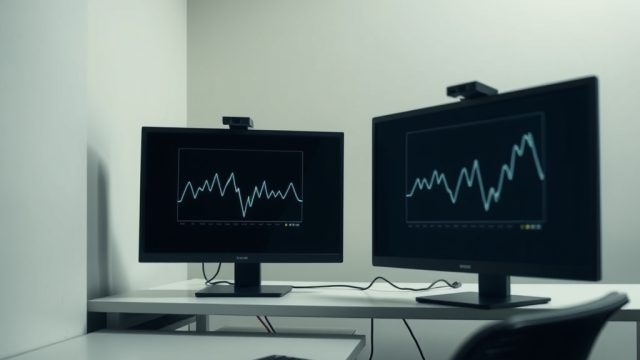









New York.- Among the devices benefiting from the United States decision to exempt certain products from the “reciprocal tariffs” imposed by the Trump Administration are smartphones and computer monitors. This measure was announced by U.S. Customs and Border Protection (CBP).
The updated policy from CBP, the agency responsible for collecting import tariffs, also includes a list of approximately twenty electronic components and items, such as semiconductors, flat-screen televisions, USB memory sticks (‘pendrives’), and memory cards.
As detailed in the document published by CBP, this exemption will take effect for items imported into the United States that entered the country or were shipped from their points of origin starting April 5.
This measure is expected to provide relief to consumers, who might have otherwise faced high costs due to the trade war between the United States and China, in addition to benefiting major U.S. tech companies like Apple, which produces a large portion of its products in the Asian giant.
According to Wedbush Securities, it is estimated that about 90% of Apple’s iPhone assembly and production takes place in China. On the other hand, Everscore IS indicates that 80% of iPads and more than half of Mac computers are manufactured in that country.
The aggressive tariff policy implemented by the Trump Administration since April 2 has caused Apple to lose more than 640 billion dollars in market value, with Microsoft surpassing it as the company with the highest market value in the world.
This recent policy guidance “temporarily removes a major threat looming over the tech industry and eases the pressure on major U.S. tech corporations (…) Since supply chains are predominantly located in Asia, these companies do not have many alternatives,” mentioned Wedbush Securities technology analyst Dan Ives in a statement.
This week, U.S. President Donald Trump delayed the imposition of “reciprocal tariffs” for 90 days to maintain negotiations with the affected countries, while nevertheless establishing a 10% tax on imports.
This policy shift, however, did not affect China, against which Trump has increased “reciprocal tariffs” to 125%, added to another 20% tariff already in effect (145% in total), triggering a retaliatory response from Beijing and fueling fears of an extended trade war.
photo credits for this post: Deultimominuto.net