
COPPPAL and OEA reinforced their coordination of electoral observation in Colombia in the midst of the electoral process that is taking place in that country. The meeting aimed to align monitoring criteria and review the progress of the day with a view to ensuring greater transparency and institutional confidence.
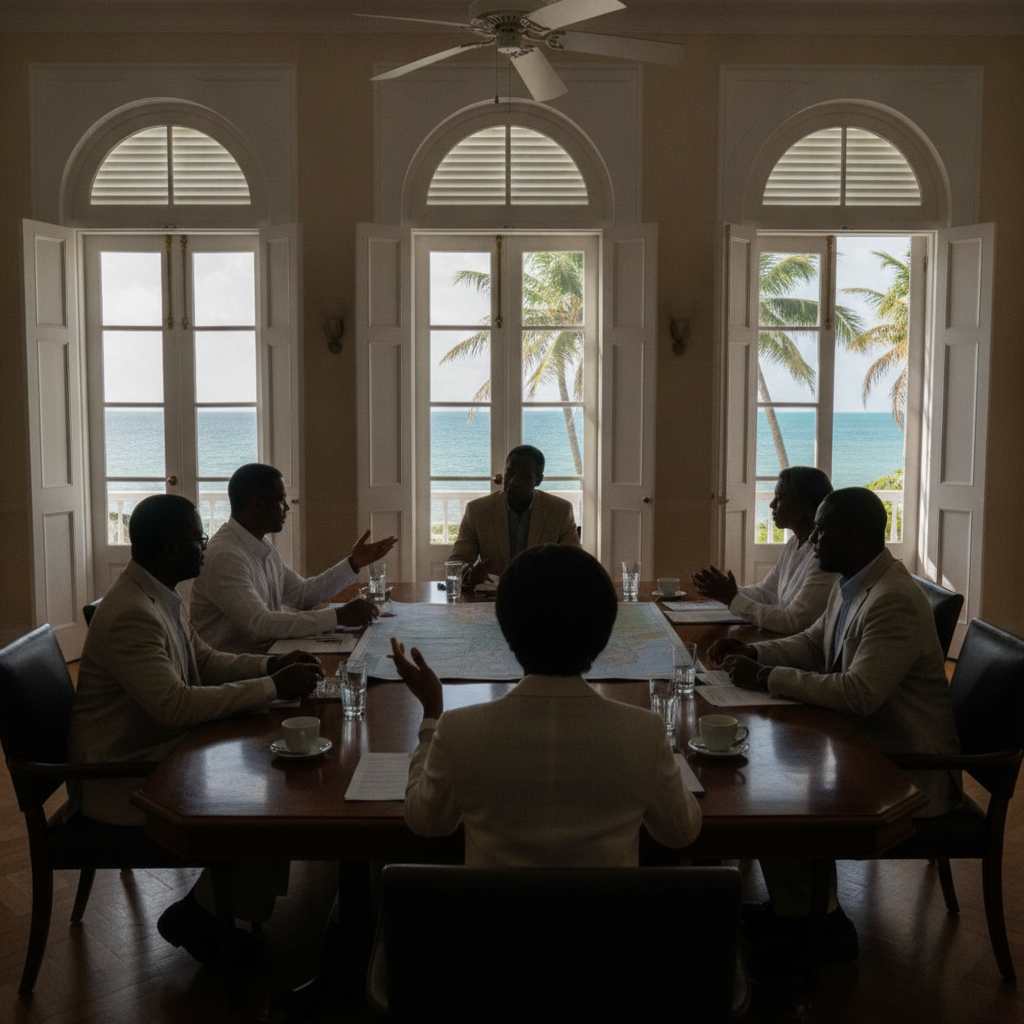
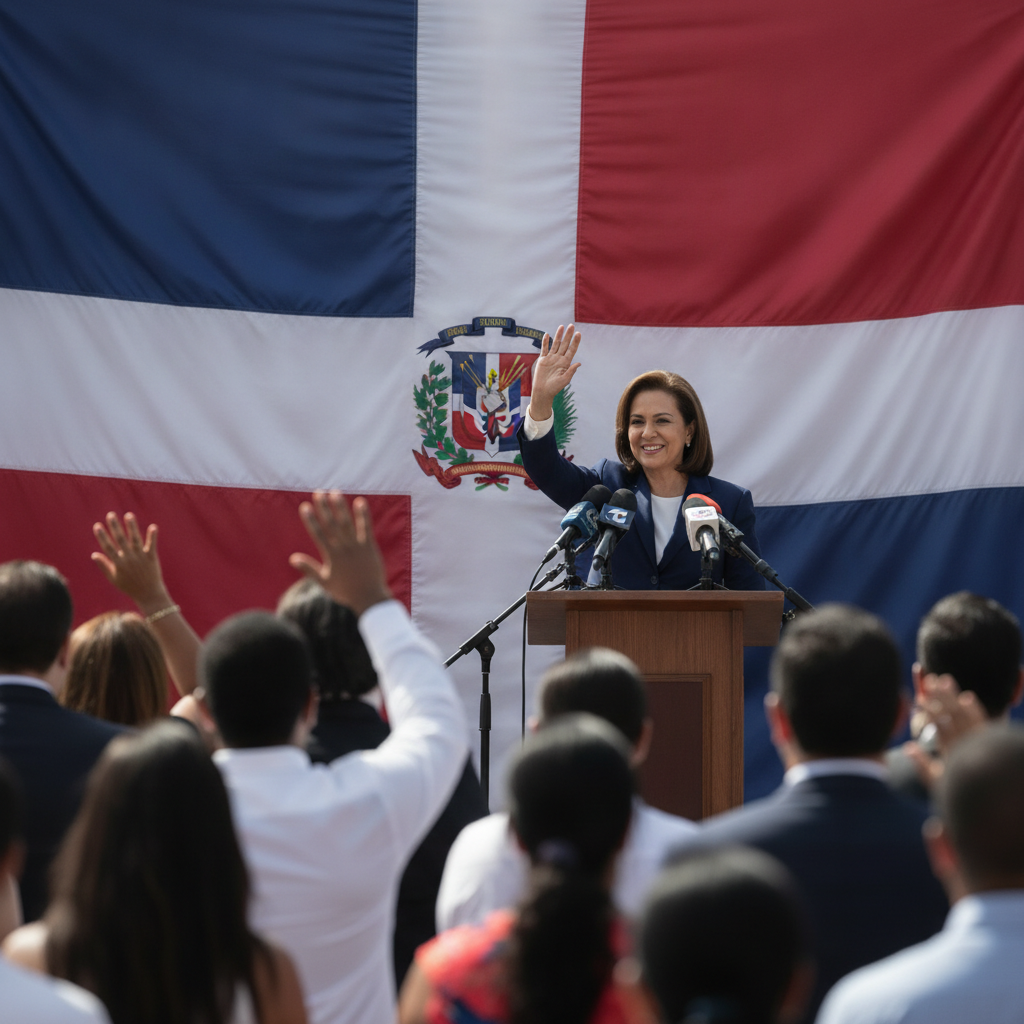
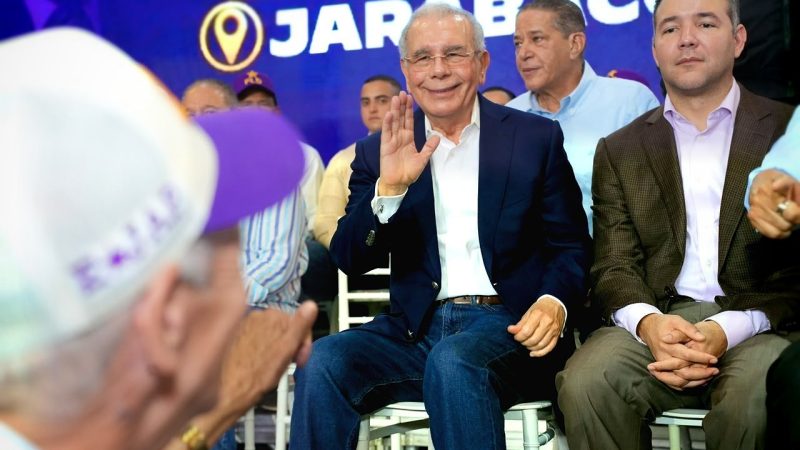
The meeting involved Guido Gómez Mazara, president of the Dominican Institute of Telecommunications and member of the mission of COPPPAL and OEA in the process, along with the former Dominican president Leonel Fernández, who heads another of the accredited international missions. According to the base report, the objective was to exchange impressions on the electoral development and strengthen the coordination between observers.
COPPPAL and OEA in the Colombian day
COPPPAL and OEA perform distinct but complementary functions in this type of process. The first brings together political parties from Latin America and the Caribbean, while the second is the main hemispheric electoral observation organization in the region. In both cases, their presence seeks to provide technical evaluation, political monitoring, and institutional accompaniment.
In competitive elections, international observation usually focuses on the organization of polling stations, citizen participation, guarantees for candidates and parties, and respect for current regulations. The coordination between missions reduces duplications and allows for a clearer reading of the process.
Why observation matters
Electoral observation has become a common practice in Latin America because it helps to reinforce the legitimacy of the results and document incidents that may affect public perception. In that context, COPPPAL and OEA act as verification and follow-up channels in a sensitive moment for Colombian democracy.
Colombia has received international missions in different electoral cycles, especially when the political climate requires greater vigilance over security, access to the vote, and normality of the scrutiny. The articulation between observers also responds to the need to issue more consistent evaluations at the close of the process.
Guido Gómez Mazara and international coordination
The presence of Guido Gómez Mazara in this mission adds political weight and regional visibility to the observation work. His role, as responsible for the mission of COPPPAL and OEA, focused on sharing impressions with other delegations and maintaining a line of communication during the electoral development.
In practice, this type of meeting allows observers to cross preliminary findings and detect common risks, from logistical problems to potential tensions in the electoral environment. It also facilitates that the final reports have greater coherence between missions.
Leonel Fernández and the follow-up to the process
The participation of Leonel Fernández as head of an accredited mission reinforces the international profile of the follow-up. His presence, along with that of Guido Gómez Mazara, shows that COPPPAL and OEA maintain an active coordination in an election that concentrates regional attention.
In the final phase of the process, missions usually evaluate whether the rules were respected, if there was sufficient participation, and if the electoral authorities acted with balance. That is the point where COPPPAL and OEA have more impact, because their observations help to separate political perception from institutional verification.
COPPPAL and OEA will continue with the monitoring until they complete their evaluation of the process, in a scenario where transparency, legitimacy, and public confidence continue to be the decisive variables. In that follow-up, the review of incidents, the conduct of political actors, and the general behavior of the day are also expected, always under the gaze of COPPPAL and OEA.