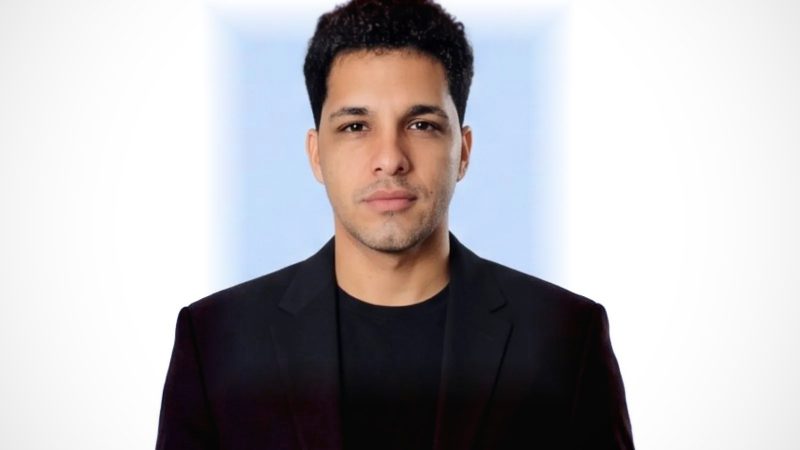



Youth in politics and generational renewal are once again at the center of the debate following the reflections of communicator Dary Terrero, who called for support for young people who decide to enter party life. His approach points to a sensitive issue: how parties manage emerging talent after campaigns.
Youth in politics and the case of Karlyn Chavéz
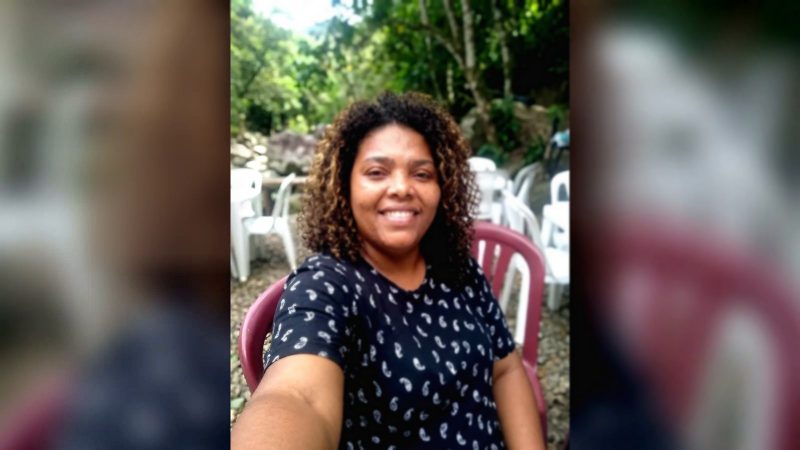
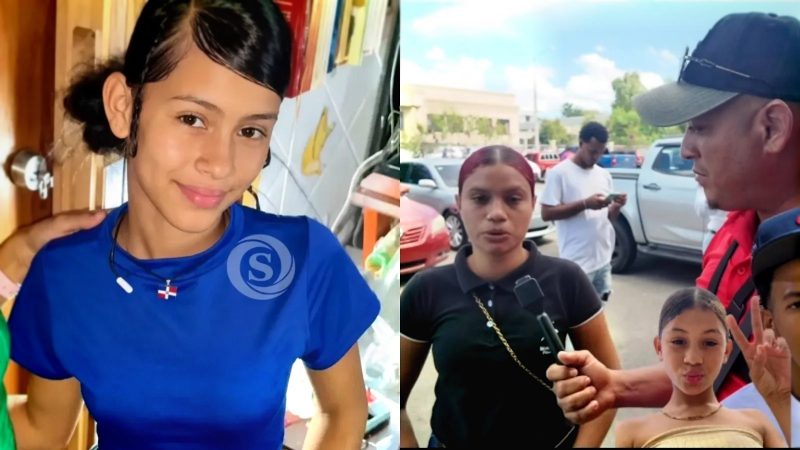
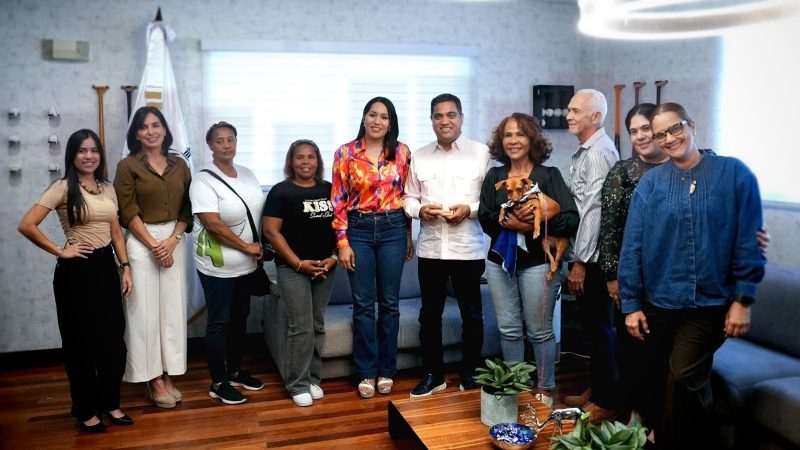
Terrero took as an example Karlyn Chavéz, candidate for the Mayor’s Office of San Francisco de Macorís, who won nearly 46% of the votes in the last municipal elections. That result positioned her as one of the best-performing young figures in the local race, although later, according to the version reported by Terrero, she allegedly received less attention than expected within the ruling party.
The pointing out opens a frequent discussion in youth in politics: the electoral value of a candidacy does not always translate into internal space, accompaniment, or future projection. In practice, this mismatch usually affects the permanence of young cadres within organizations.
Youth in politics and the value of youth militancy
Terrero maintained that prepared young people with a real interest in participating must be given tools to continue growing. His argument coincides with a visible reality in most Dominican parties: the youth base provides energy, digital voice, and the ability to connect with new voters.
He also recalled that not all young people feel attracted to politics, so those who do enter the party arena deserve to be stimulated and valued. In organizational terms, this recognition usually makes the difference between fleeting militancy and a sustainable political career.
- Youth in politics can translate into leadership renewal.
- Youth in politics also demands training, discipline, and support.
- Youth in politics loses strength when work is not recognized.
The message to the parties
The communicator warned that young figures provide dynamism and help strengthen party leadership at a time when organizations seek to stay connected with new generations of voters. This reading is relevant in a scenario where political competition increasingly depends more on the image of renewal than on the traditional structure.
“One of the characteristics that the PRM has had is its youth, a youth that has an interest in doing politics,” Terrero expressed.
The core of the approach is clear: if youth in politics does not find real space after the electoral effort, the message it receives can be one of discouragement. And when that happens, parties risk their capacity to renew leadership in the medium term.
In a country where new generations demand greater representation, the debate on youth in politics remains a test of consistency for organizations. The case of Karlyn Chavéz and the call by Dary Terrero reinforce a simple idea: without sustained support, youth in politics is hardly consolidated and internal renewal weakens.