
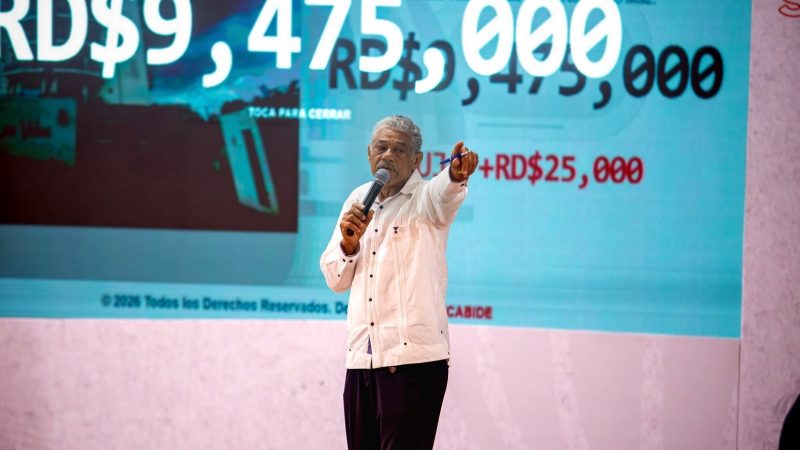

Migration expert Gregorio Martínez, known as Tocar Viajar, broke down the strict rules that lead to the United States canceling visas for foreign officials, even for actions in their countries of origin. In Santo Domingo, Martínez emphasized that U.S. immigration law applies global sanctions, regardless of where the crimes are committed.
Administrative corruption: main cause of revocation
Canceling visas for cases of corruption is a common practice when U.S. interests are involved. Martínez pointed out that numerous Dominican officials have lost their entry permits after appearing in court records. This policy is based on Section 212(a)(2) of the Immigration and Nationality Act, which bars individuals for convictions or admissions of serious corruption, according to State Department reports.
Historically, since 2010, more than 50 high-ranking Dominican officials have seen their visas canceled due to scandals such as the gamblers’ case or embezzlement in Public Works, data corroborated by official statements from the U.S. Embassy in the DR.
Impact of drug trafficking and family effects
Another key reason why the United States cancels visas is the link to drug trafficking. Not only does the direct person involved suffer, but also close family members such as children or grandchildren, under the rule of “family members of inadmissibles.” Martínez warned that this measure is irreversible in most cases.
- Corruption: Immediate revocation in countries with shared interests.
- Drug trafficking: Extension to the family network, with perpetual denials.
- Limited lawyers: Outside the U.S., recovery is almost impossible.
Practical consequences and Dominican context
In the Dominican Republic, where corruption appears in Transparency International reports with a score of 35/100 in 2023, the cancellations impact political careers. Martínez recommended preventive migration: reviewing histories before applying. Tocar Viajar insisted that understanding why the United States cancels visas avoids surprises.
Experts like immigration lawyer Ramón Alburquerque agree: once revoked, options are minimal without a successful appeal in federal court, which is rarely granted. This analysis underlines Washington’s extraterritorial vigilance over key allies in the Caribbean.
Ultimately, Tocar Viajar reveals why the United States cancels visas for officials: to preserve immigration integrity against global threats such as corruption and drug trafficking.