








Summary of the resolution
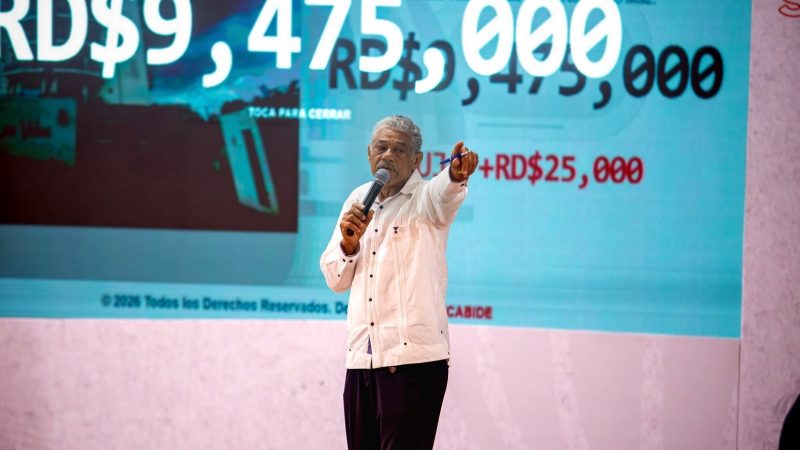
SENASA case historical decision was how Pepca director, Wilson Camacho, described the court’s ruling that issued coercion measures against the defendants in the case file, basing his statement on three fundamental elements extracted from the process.
Elements that supported the decision
Gravity of the facts
The court considered the gravity of the facts, which were described by the judge as cruel and extremely serious; the ruling even alluded to betrayal and a “collective madness,” comparing the magnitude of the damage to a form of holocaust.
Strength of the investigation
The second pillar of the decision was the solidity of the Public Ministry’s investigation, whose documentation and testimonies were cited by the court as the basis for motivating the measure imposed on the defendants.
Collaboration of defendants
The third was the collaboration that some defendants offered to the Public Ministry, a factor that was taken into account when issuing the coercion measure against those prosecuted.
Measures ordered and procedural situation
As a result of the hearing, seven defendants received pre-trial detention and were sent to Najayo Men and Najayo Women, while three obtained house arrest along with financial guarantees and a travel ban; altogether, the ten defendants are currently deprived of liberty. SENASA case historical decision Camacho emphasized when referring to the current state of the process.
Next steps of the Public Ministry
The director of Pepca reported that the Public Ministry will pursue two priority objectives: ensuring that all defendants appear before the dock and accelerating the presentation of the so-called version 2.0 of the case to bring those responsible to trial and seek the corresponding convictions.
Institutional commitment
Camacho reiterated the Public Ministry’s commitment to exhaust the necessary resources to guarantee justice for the crimes attributed in the file. SENASA case historical decision was the expression used to emphasize the relevance of the procedural progress.
- Ten defendants involved in the process, seven in pre-trial detention and three under house arrest.
- Measures include financial guarantees and a travel ban for some of the prosecuted individuals.
- The Public Ministry announces a new evidentiary phase called version 2.0.
“All defendants are deprived of liberty,” stated the director of Pepca when explaining the court’s motivations and the next steps in the investigation.
The characterization of SENASA case historical decision by Pepca marks a milestone in the process and anticipates intense actions by the Public Ministry to deepen the investigation and present the evidence that allows for the sanction of those responsible.