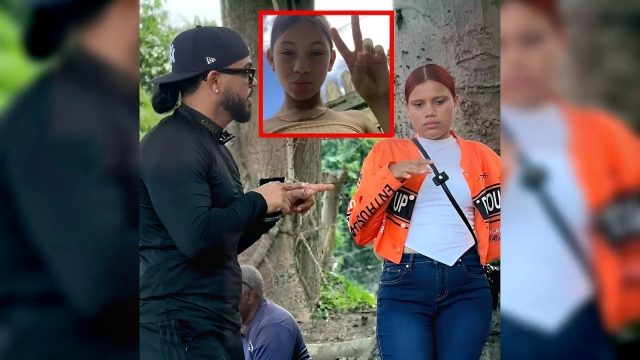
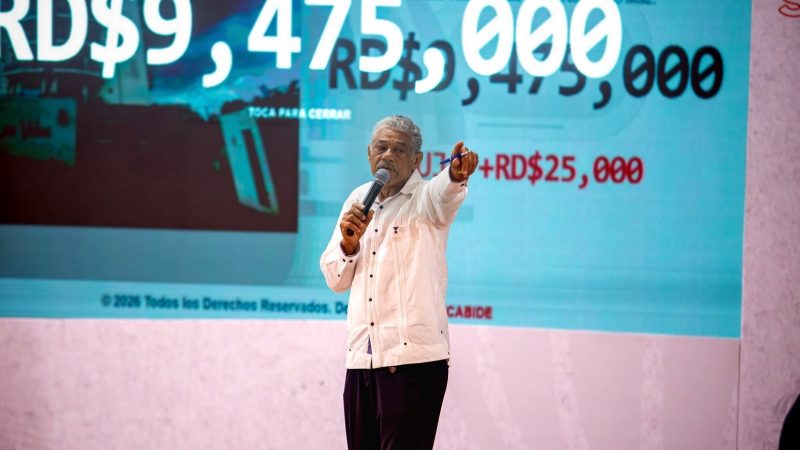
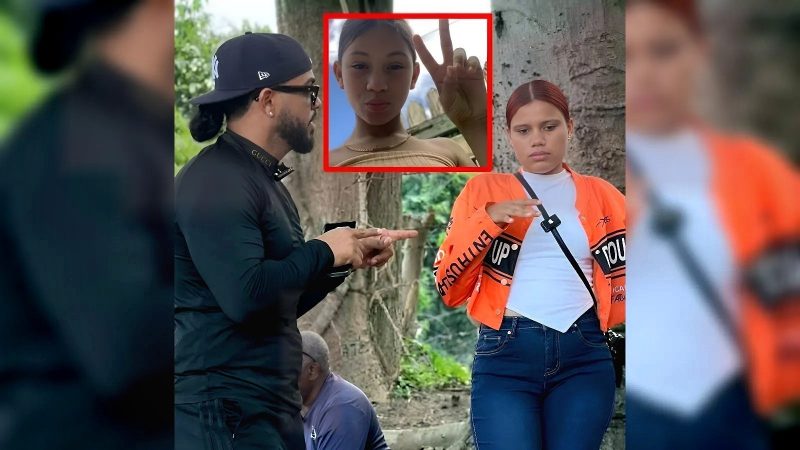




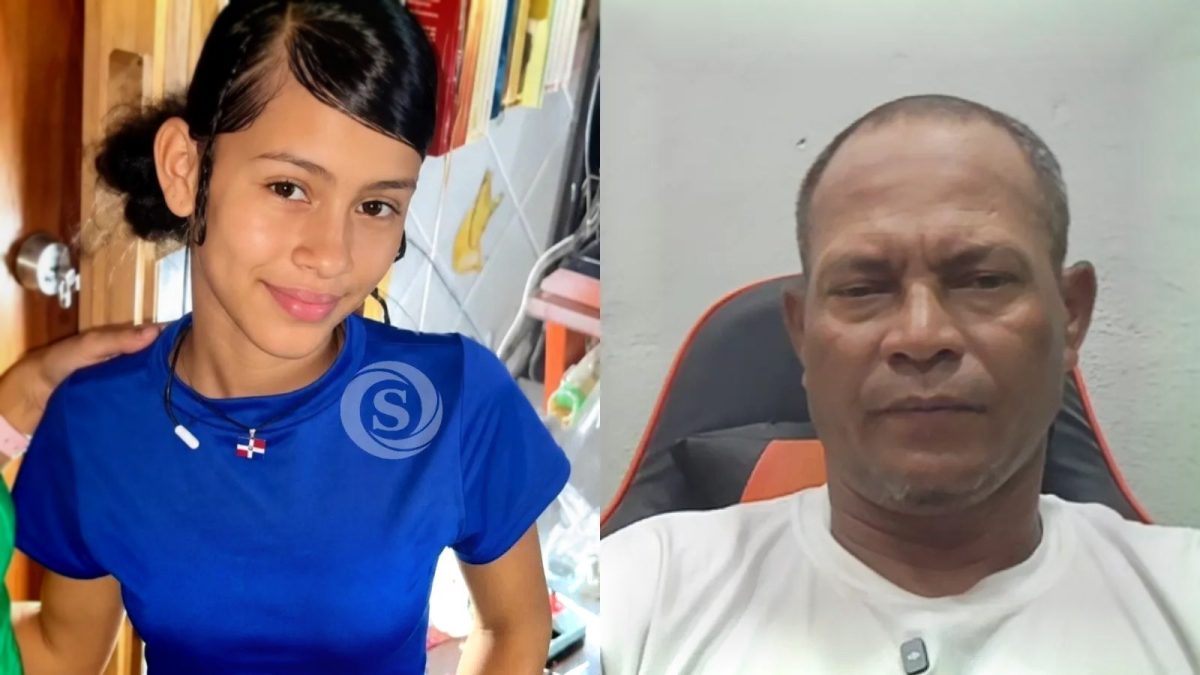
Communicator Edi Rivas explained that the disappearance of teenager Yosnely Álvarez, aged 13 to 14, triggered an operation that mobilized the National Police, DICRIM, Civil Defense, the Army and the National Emergency and Security 9‑1‑1 System. The operation focused on the Río Yaque del Norte and the Cañeo canal, in the municipality of Navarrete, Santiago.
Information that changed the course of the search
According to Rivas, the clue that finally guided the operation came from two Haitian citizens who had observed the young woman approaching a water intake. Despite initial fear of cooperating, the citizens shared the information and the communicator moved with his team and local residents to the indicated point. Rivas stated that the information arrived after the two Haitians approached the area and saw the teenager moving with the current.
Volunteers and civilians in the operation
Four or five young volunteers waded into the water, while other team members advanced around the Cañeo canal. The independent search, according to Rivas, lasted about 45 minutes and concluded when the young woman was found in an area where the water level had receded and she was stranded on a small sand accumulation. That finding allowed the operators to confirm her identity and close the operation that had lasted several days.
Issues regarding citizen participation
The communicator questioned the version released by the National Police, alleging that it did not properly acknowledge the participation of civilians who assisted in the sweep. He also recalled that some areas of the operation had been restricted for communicators, which created disparities regarding access to certain zones.
Case development and judicial perspective
The investigation led to the arrest of Edwin Reinaldo Rodríguez Cruz, 29, who turned himself in and confirmed having been with the teenager and having caused her injuries with a sharp object. However, other details of his account have been rejected by family members. With Yosnely’s location, attention now focuses on the proceedings of the Public Ministry, the analysis of the evidence and the judicial process against the alleged aggressor.
Source credits: diarioaldia.com