Washington Heights returned to the center of the debate due to warnings from Rusking Pimentel about an alleged process of displacement of the Dominican community in that sector of upper Manhattan.
The media personality argued that the urban and demographic changes experienced by Washington Heights are a response to gentrification which, according to his reading, ends up replacing historical residents with new tenants with greater purchasing power.
In his statement, Rusking Pimentel claimed that Washington Heights has been for decades one of the main concentration points for the Dominican diaspora in New York, meaning that any sustained increase in housing costs directly impacts that population.
The debate is not new. Previous reports and coverage about Washington Heights have described a progressive rise in rents since the late 1990s, along with the departure of Dominican families who could previously sustain themselves in the neighborhood.
This pattern coincides with the broader definition of gentrification: urban renewal, the influx of private capital, rising rents, and a shift in social composition in traditionally working-class neighborhoods.
Washington Heights under real estate pressure
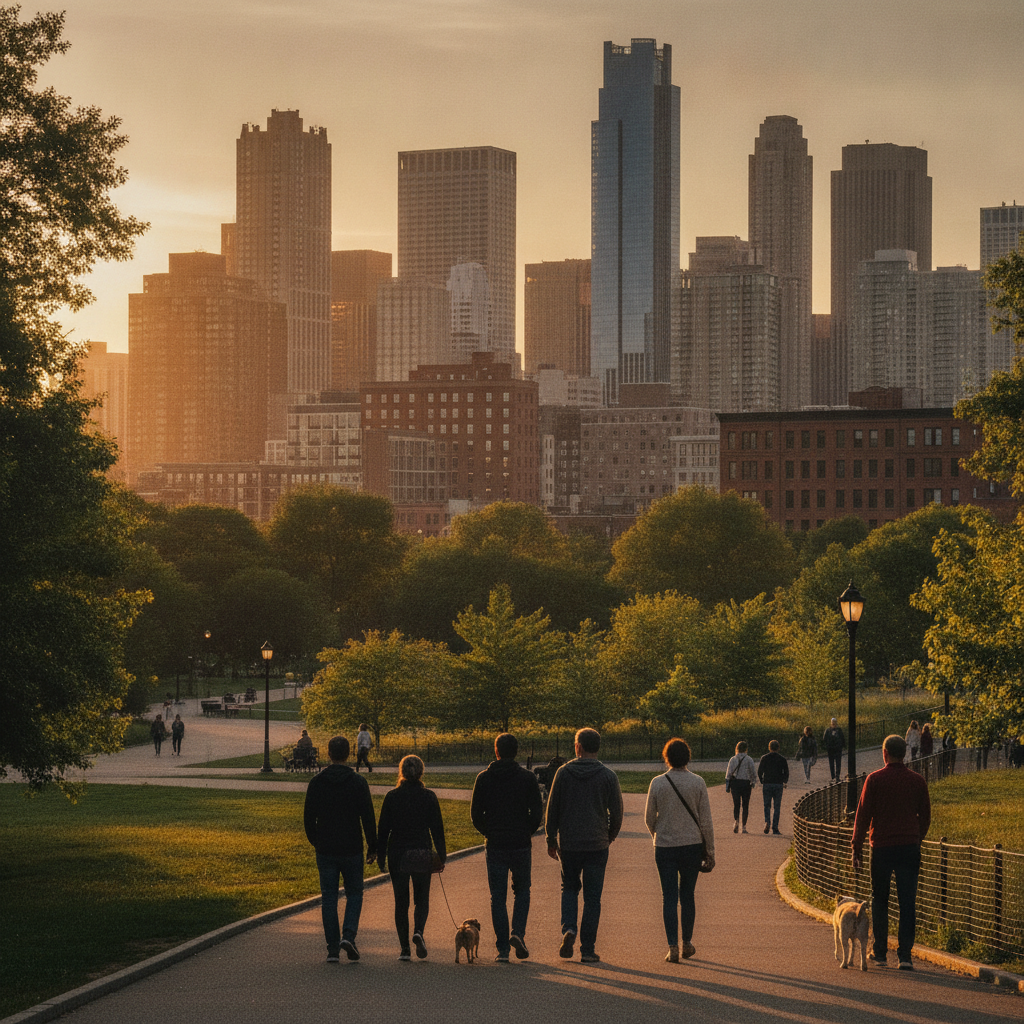
The tension in Washington Heights also reflects a trend observed in other parts of New York, where the demand for better-located housing drives up prices and reduces access for middle- and low-income households.
- More residential projects increase land values.
- Rising rents displace long-term tenants.
- Traditional small businesses lose space to ventures geared toward new residents.
In this context, Rusking Pimentel‘s warning points to a broader problem: the loss of the cultural and community weight of Washington Heights, a neighborhood identified for years with the Dominican presence.
The political and cultural debate in Washington Heights
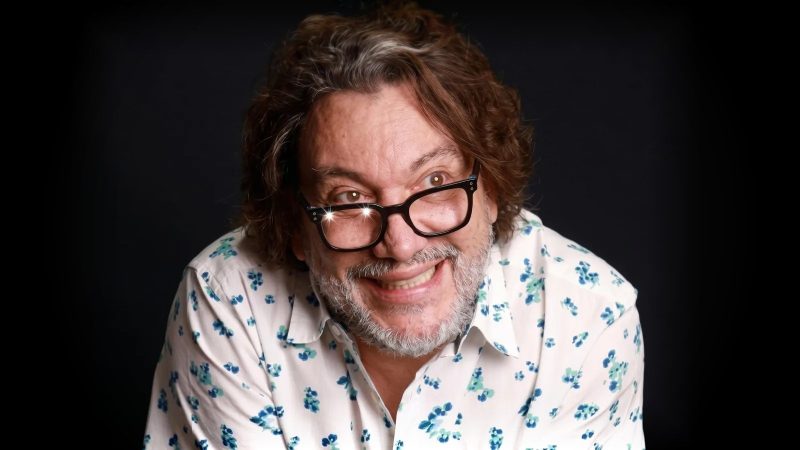
During the discussion, Pedro Manuel Casals also intervened, questioning certain cultural expressions and contrasting them with what he defined as the historical values of the Dominican Republic.
Casals stated that national foundations are supported by Christian principles and the motto “God, Homeland, and Freedom”, a stance that added an ideological nuance to the debate about Washington Heights.
“What they intend to do in Washington Heights with Dominicans is gentrification, the replacement of one community, of one demographic by another,” expressed Rusking Pimentel.
Beyond political positions, the case highlights a concrete concern: how to preserve the Dominican presence in Washington Heights amid rising costs, real estate pressure, and the accelerated change of the neighborhood.
For many residents and community leaders, the challenge is not only economic, but also one of identity, because Washington Heights remains a symbol of roots for the Dominican diaspora in the United States.