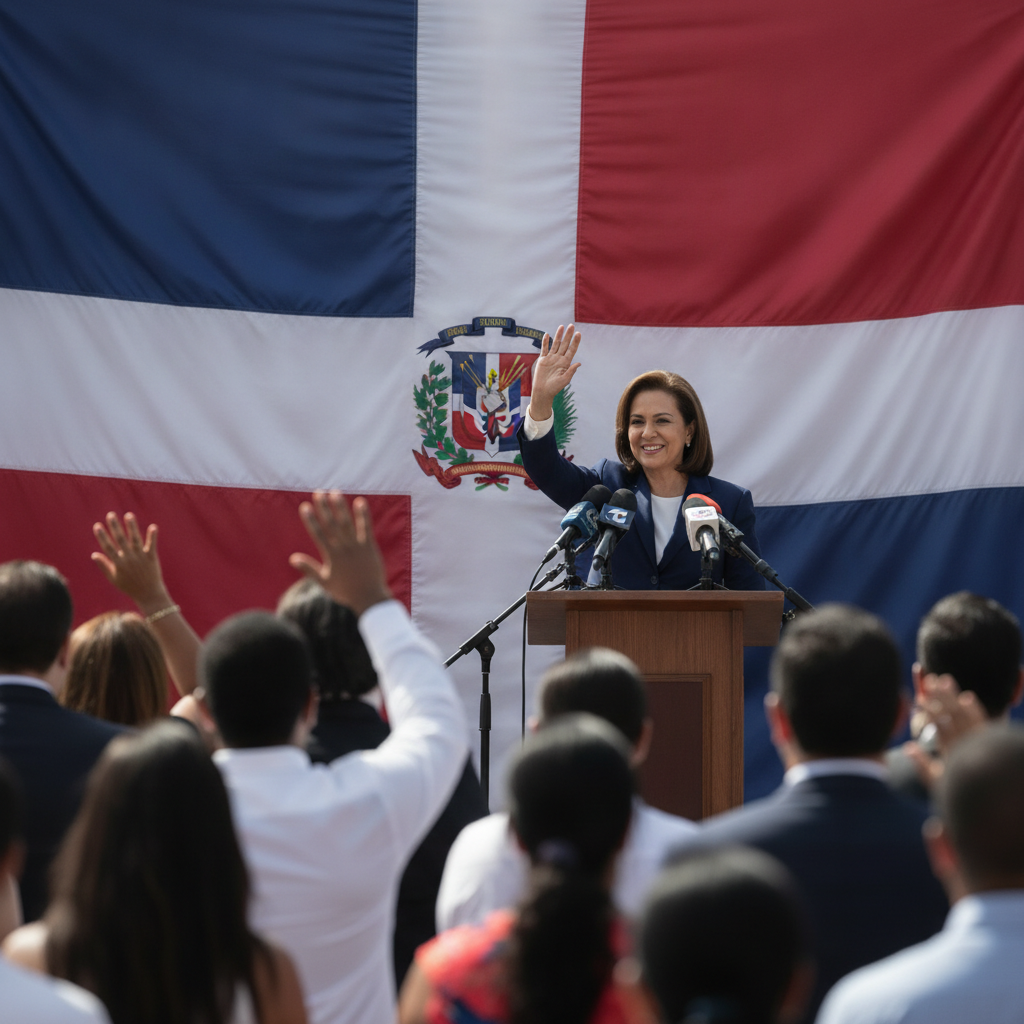


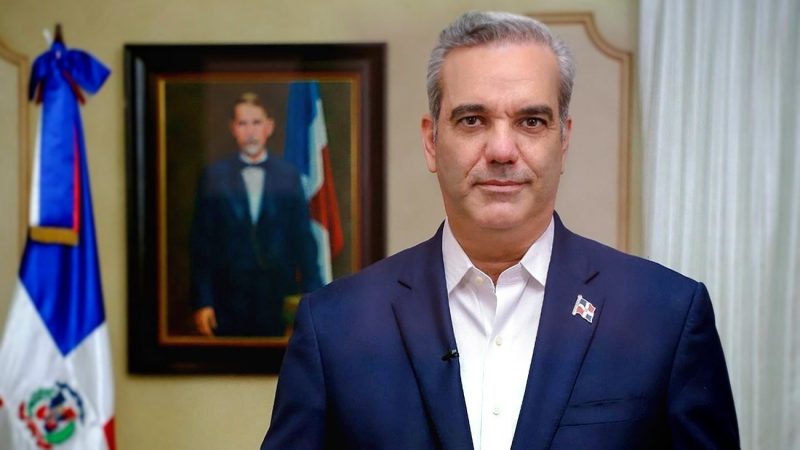







Carolina Feliz issued a clear warning in the Dominican political debate: popularity and the coattail effect on social media do not translate into votes. The commentator referred directly to businessman and media figure Santiago Matías, whose phenomenon on digital platforms has generated speculation about his possible entry into the electoral arena.
The gap between digital fame and electoral success
In statements reported by local media, Carolina Feliz emphasized that figures with millions of followers do not always manage to connect with the real electorate. “Popularity and the coattail effect are not votes,” she stated, recalling cases of renowned Dominican artists who attempted to jump into politics without positive results.
Historical examples in the Dominican Republic
Historical context supports her view. In the 2020 elections, the participation of celebrities such as merengue singer Johnny Ventura attracted initial attention, but did not materialize into broad victories. Ventura obtained only 0.5% of the presidential votes, according to data from the Central Electoral Board (JCE). Similarly, in 2016, singer Ruby Pérez did not advance in his senatorial bid despite his popular roots.
Challenges when facing the real public
Carolina Feliz argued that the real challenge arises in door-to-door campaigns and public debates. “When elections approach, these people have to show their faces, speak to an audience, and convince them,” she explained. She added that digital popularity and the coattail effect dilute in the face of the need for concrete proposals and handling pressure.
Criticism of impulsive behaviors
The expert questioned the emotional maturity of certain figures. “A person who has no control over their emotions and out of nowhere makes a scandal, even disrespects politicians who support them,” she said, alluding to public episodes involving Santiago Matías that have polarized opinions. Political communication experts, such as analyst Pedro García, agree: the JCE reports that in 2024, 65% of voters prioritize experience over charisma, according to pre-election polls.
These statements have fueled debates on social networks, where users distinguish between virtual influence and effective leadership. In a country with 7.5 million registered voters, media popularity and the coattail effect are exposed as insufficient in the face of rigorous electoral scrutiny.