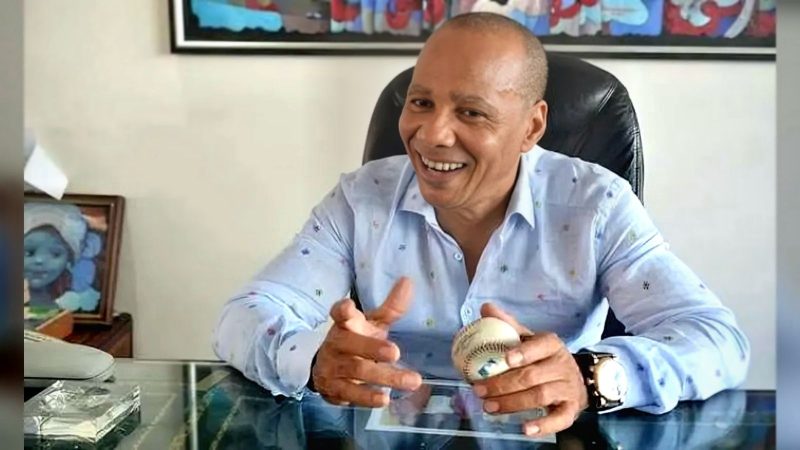









Francisco Javier García criticizes the fuel price hike and points to the oil crisis as evidence of the lack of government strategy. The PLD presidential candidate denounces that the Dominican Government did not anticipate the impact of global tensions on crude oil prices.
Oil crisis drives up gasolines and gasoil prices
The Ministry of Industry, Trade and Small and Medium-Sized Enterprises (MICM) announced last week a price hike of RD$10 in regular and optimal gasolines and gasoil, adding to a previous increase of RD$5. These measures respond to the increase in the WTI barrel, which has risen by 70% in 2026 due to interruptions in supply resulting from conflicts in Middle East.
Background of the oil crisis in the Dominican Republic
Historically, the country has faced similar volatility. In 2022, price hikes due to the war in Ukraine raised prices by 30%, affecting transportation and food. Experts such as economists from the Central Bank warn that without strategic reserves, these fluctuations directly hit households, where fuels represent 15% of the average family expenditure.
Francisco Javier García demands a contingency plan
Francisco Javier García, member of the PLD Political Committee, had previously warned about the need for preparations against geopolitical risks. “The Government transfers all the cost to consumers without efficiency in public spending or internal savings”, said the Peledeista leader.
Expert opinions on the oil crisis
- Energy sector analysts recommend diversifying sources with renewables, which cover only 10% of Dominican consumption.
- The International Monetary Fund projects that high oil prices could reduce the local GDP by 1.5% this year if tensions persist.
- Official representatives of the MICM justify the adjustments by automatic mechanisms linked to the international market, but do not detail targeted subsidies.
The oil crisis exposes structural vulnerabilities. Francisco Javier García criticizes the fuel price hike and urges a preventive energy policy to mitigate impacts on the family economy. Opponent leaders agree that long-term strategies are lacking, such as incentives for electric vehicles or fuel stockpiles.
In past contexts, such as the 2014 crisis due to price drops, the Government temporarily subsidized, but today prioritizes fiscal balance. The oil crisis continues to dominate the debate, with Francisco Javier García leading the voices demanding immediate action. This scenario affects transporters and traders, raising logistics costs by 12% according to private sector data.