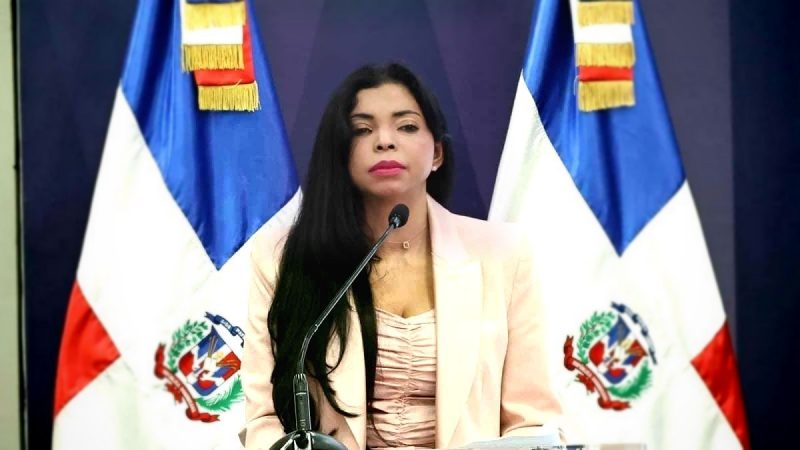
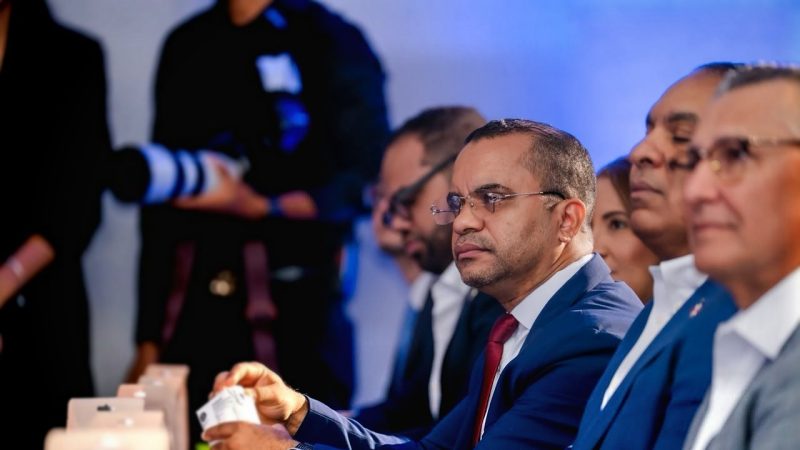
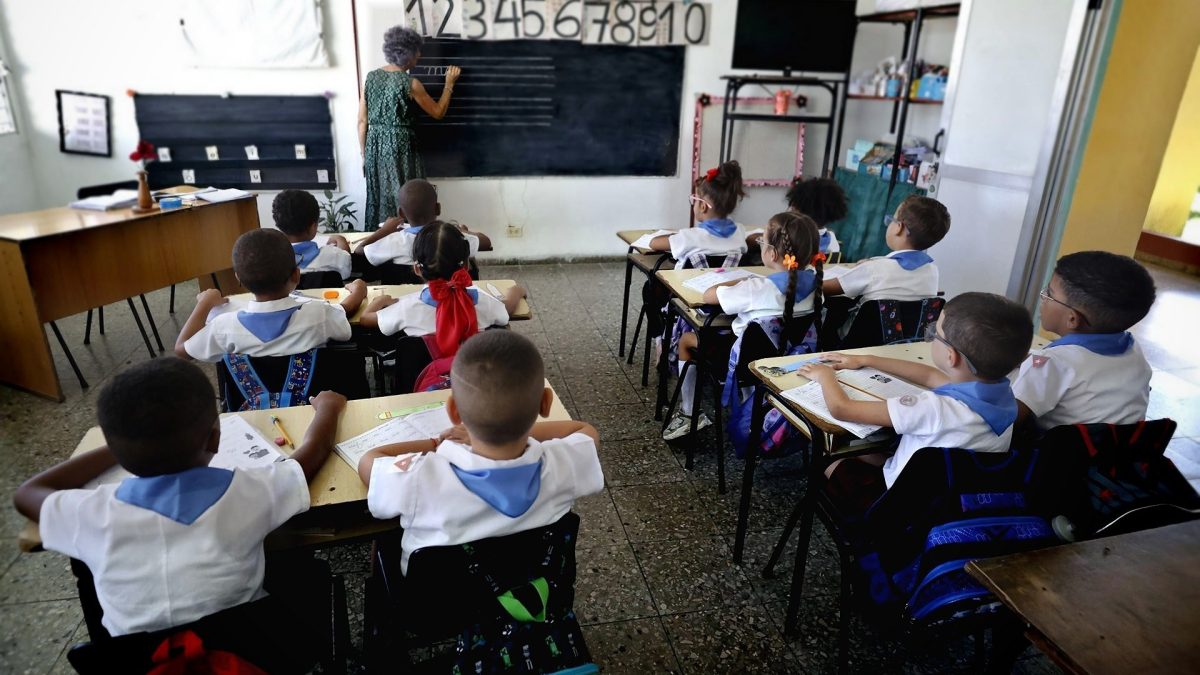
The Cuban private sector has intervened in the educational crisis facing the island, supporting school infrastructure, food, and transport logistics for the start of the school year, Education Minister Naima Trujillo said in an interview with EFE.
Partnerships to overcome basic shortcomings
With a difficult start marked by limited food‑cooking capacities, insufficient assurances, and transport logistics, the private sector has provided donations of food, footwear and clothing. It has also integrated transport routes in various provinces, serving students and teachers who, due to distance and family circumstances, could not cover the costs.
Support for households and energy
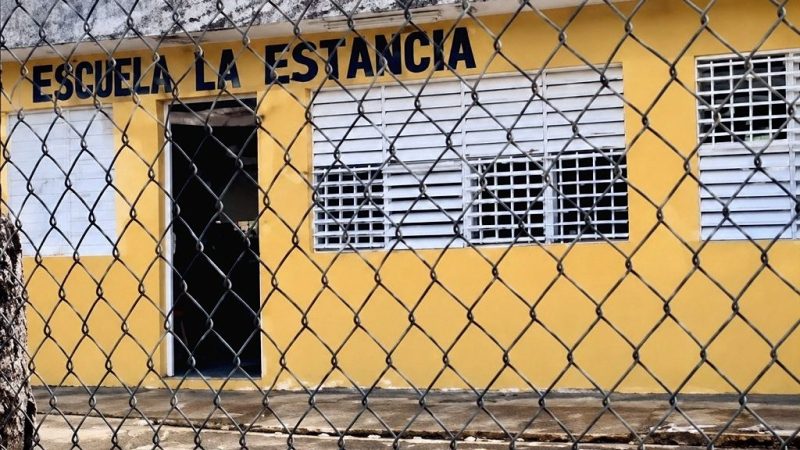
Private companies have offered support to households with children lacking parental care, providing alternatives to cover energy during blackouts of more than 20 hours daily. In addition, severely deteriorated educational infrastructure has been restored.
Formalization of private tutors
Another key measure is the legalization of private tutors. The Ministry of Education authorized teachers to offer private tutoring sessions, an activity prohibited in 2022. This measure aims to formally integrate teachers’ work and address the teacher‑coverage deficit affecting five provinces, especially Havana, where around 3,000 teachers were transferred from the east to support the start of the school year.
Impact of the economic crisis
According to the National Office of Statistics and Information (ONEI), the education sector is one of the two with the lowest incomes on the island, with a monthly salary of 5,824 pesos (about $49 at the official exchange rate). The minister acknowledged that it is difficult to predict the development of the school year in the coming months, but she is confident that education will continue to play a leading role.
Source credits: robertocavada.com
Note generated automatically from the sources cited in the text. Found an error? Email us at [email protected] and we'll fix it.