








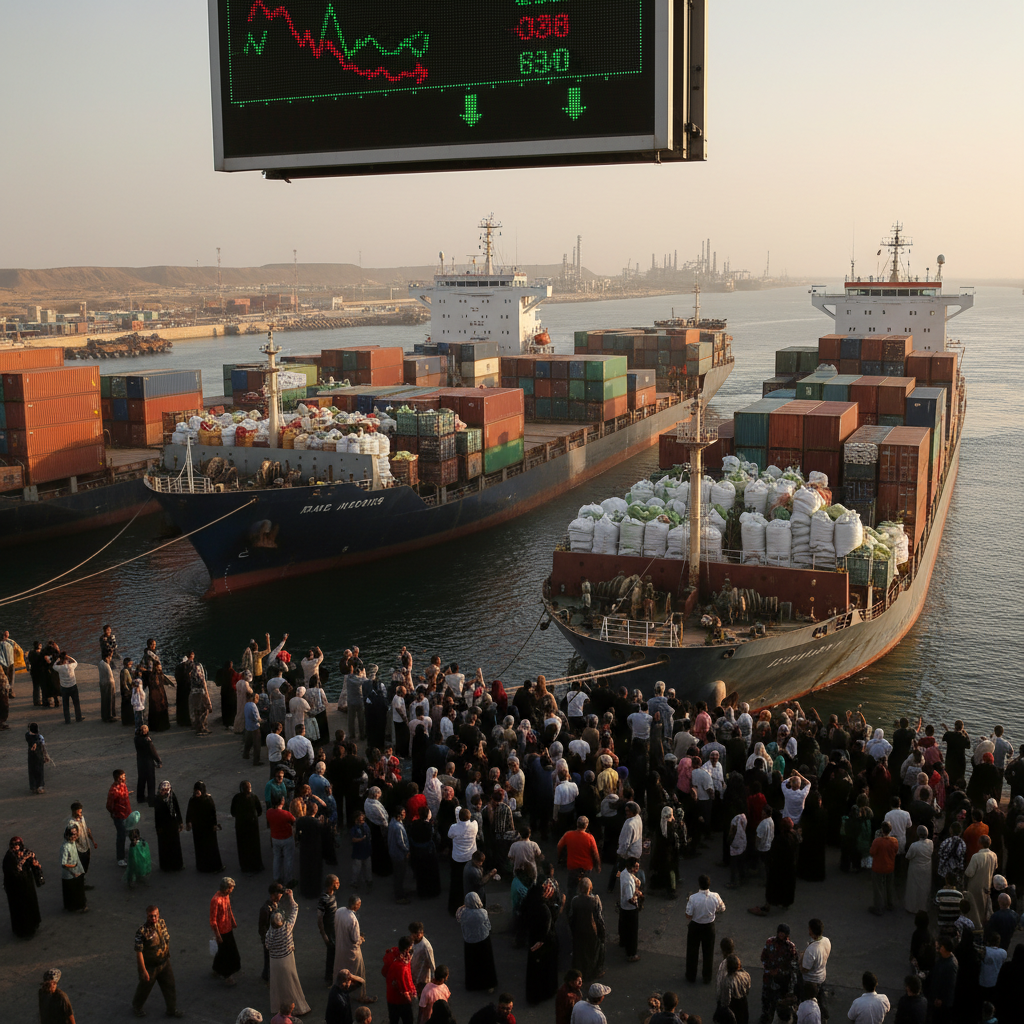
The Strait of Hormuz, key to 35% of the world’s oil, remains almost closed due to the conflict in the Middle East. This generates a cascade effect in the food price crisis, warns Maximo Torero, chief economist of the FAO. If the blockade lasts between 30 and 60 days more, the consequences will surpass the COVID-19 pandemic, according to his analysis in Rome.
The cascade effect starts with the interruption of 20-30% of fertilizers, 20% of natural gas, and 45% of sulfur, vital inputs for agriculture. Countries such as Bangladesh, India, Sri Lanka, Sudan, and Kenya face emergencies due to the 50% increase in fertilizers during sowing.
2.4% increase in food prices in March
The FAO index marks 128.5 points in March, a 2.4% increase over February and 1% over 2025. Sources confirm that Gulf urea rose 19-28%, with projections of up to 200% if the closure persists. Oil is around $115-120 per barrel, a 20-35% increase, and gas in Europe up to 75%.
Global impact of the cascade effect on producers and consumers
Major exporters such as Brazil, Argentina, the US, and Australia will adjust plantings due to high costs, affecting global supply by the end of 2026. Attacks on energy and salt-producing plants slow down recovery. The Gulf’s demand, a key importer, disappears, exacerbating the cascade effect.
Risks for 2027 and lessons learned
Prolonged more than 60 days since the February 28 attacks by Israel and the US against Iran, will impact 2027 productivity. The World Food Programme estimates 45 million more in food insecurity if it reaches June. Torero urges opening the Strait of Hormuz and diversifying sources.
- FAO highlights existing food reserves.
- Recommends sustainable agriculture and alternative routes.
- Energy diversification mitigates, but does not eliminate, the cascade effect.
Producers will feel the blow first, but citizens will notice the cascade effect in their pockets by the end of the year. The food price crisis due to Ormuz demands quick action to avoid a greater cascade in global food security.