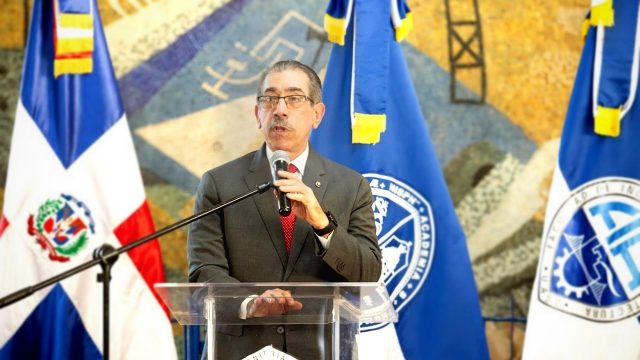
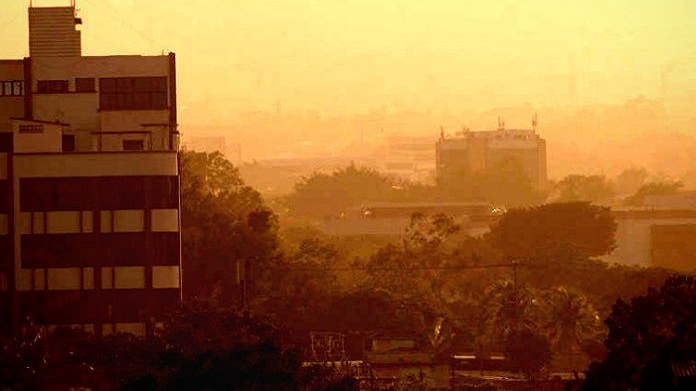








Meteorologist Jean Suriel announced on Wednesday that the Sahara dust season in the Caribbean has come to an end. According to Suriel, no significant cloud formations of particles are expected in October, although some isolated ones may appear. The phenomenon, driven by trade winds, had reached the Dominican Republic with at least 23 large clouds of African dust during the specified period.
Impact on health and climate
The presence of Saharan dust contributed to an increase in respiratory, ocular, and cutaneous allergies among Dominican citizens. Additionally, the dust influenced the increase in extreme heat recorded in recent months. The analyst explained that the combination of the El Niño phenomenon with climate change intensifies these effects.
Forecast for the future
Suriel indicated that, although isolated particles may appear in October, no large-scale cloud formations are expected. “We shouldn’t be surprised to see some isolated particles in October: but they will no longer be important clouds”, the meteorologist stated.
Scientific context
The Sahara dust, originating from the desert region of Africa, is transported to the Caribbean via trade winds. Its presence has been linked to episodes of public health and thermal alterations. In recent decades, the incidence of this phenomenon has increased, generating concern among experts and health authorities.
Relevance to the Dominican Republic
The Dominican population, especially those in densely populated urban areas, may experience greater exposure to fine particles that increase the respiratory workload. Health authorities have issued recommendations to minimize exposure, such as staying indoors during dust storm episodes and using respiratory masks.
Climate change perspectives
The increase in global temperature and dryness in Africa favor the generation of dust that, once dispersed, crosses the Atlantic. This process has accelerated in the last decade, and it is expected that the frequency of Sahara dust episodes will continue to grow.
Conclusion
With the termination of the Sahara dust season in the Caribbean, the Dominican population can expect a reduction in the risks associated with this phenomenon. However, the possibility of isolated particles in October requires continuous vigilance and the implementation of preventive measures.
Credits: n.com.do