









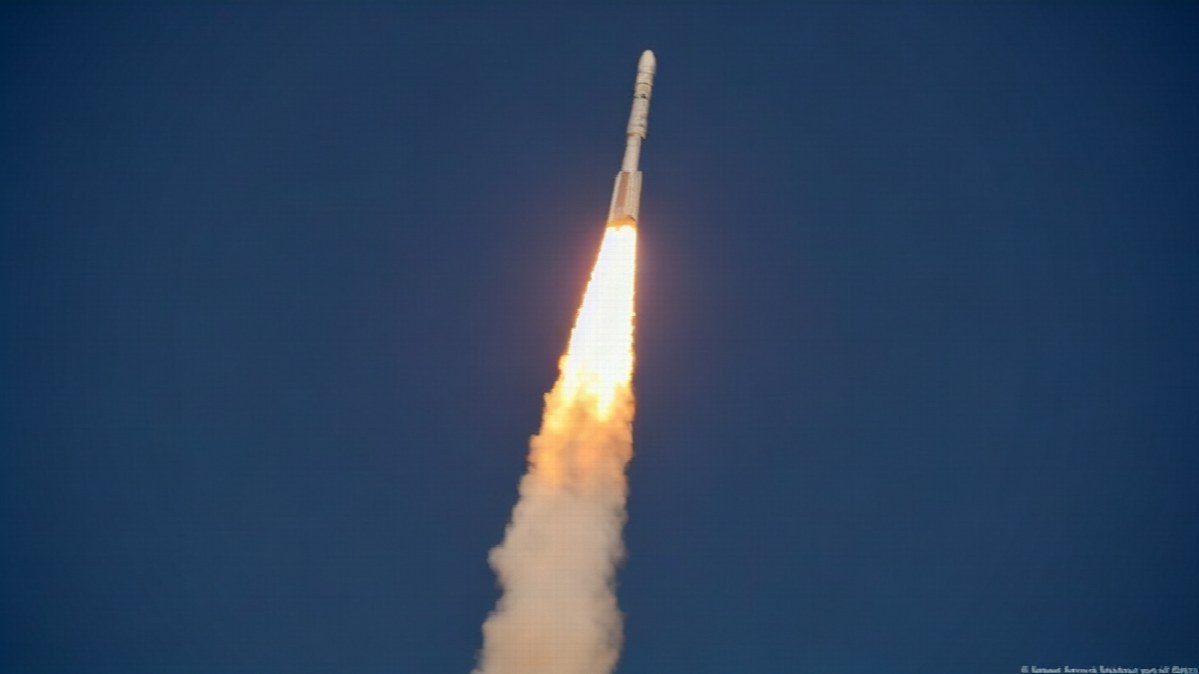
On Sunday November 15, a Vulcan rocket, operated by United Launch Alliance (ULA), suffered a failure during its flight, causing the loss of the 40 Amazon internet satellites it was carrying into space. The launch was conducted from the Cape Canaveral Space Force Station in Florida, United States.
Approximately ten minutes after liftoff, the vehicle experienced an anomaly that prevented it from completing the mission and placing the devices into the intended orbit. The company confirmed the incident via a statement, explaining that, according to data received by its launch team, the rocket failed to meet the objective of delivering Amazon’s payload.
A setback for Amazon’s internet project
The 40 satellites were part of Amazon Leo, the satellite internet network through which the company aims to provide broadband connectivity and compete with Starlink, the service developed by SpaceX. The project envisions a constellation of 3,236 satellites to provide global‑scale internet coverage.
Before the incident, Amazon had managed to place 398 devices into orbit, according to data reported by Reuters. Sunday’s mission represented the first launch of the 38 contracted by Amazon to United Launch Alliance to deploy part of its constellation using Vulcan rockets.
First total failure for ULA
The incident also represents a setback for United Launch Alliance, a company formed in 2006 through a partnership between Boeing and Lockheed Martin. According to U.S. media reports, it is the first total failure of a launch mission in the company’s history.
The cause of Sunday’s anomaly has not yet been determined. The investigation will need to ascertain what occurred during the flight and what measures will be required before the rocket can operate again. The situation could affect ULA’s launch schedule and Amazon’s plans to complete its satellite network, in a market where several companies compete to offer space‑based internet services.
The loss of the satellites represents a delay for Amazon Leo’s expansion plans, which had expected to launch its first commercial services in 2026. The Vulcan had completed four prior flights since its debut in 2024. Its most recent launch also marked the vehicle’s return after nine months of inactivity, during which technical reviews were conducted related to issues recorded in earlier flights.
Source credits: deultimominuto.com
Note generated automatically from the sources cited in the text. Found an error? Email us at [email protected] and we'll fix it.