




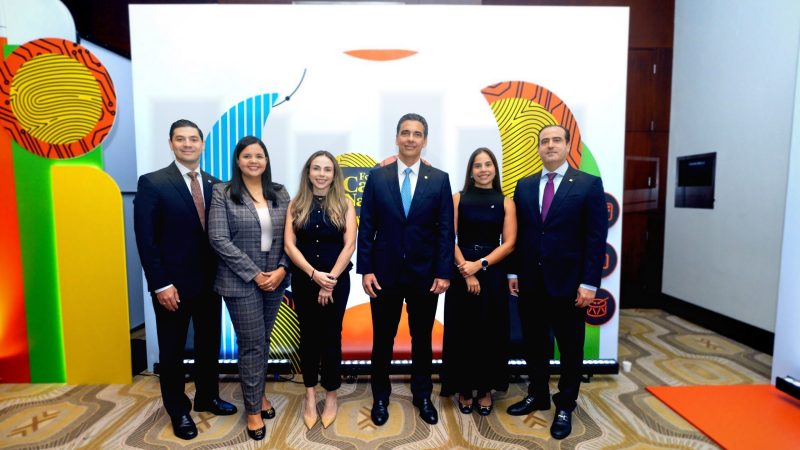


Financial inclusion and sustainability are fundamental pillars for equitable economic development in the Dominican Republic. The Superintendency of Banks (SB) presented a report detailing the progress and challenges in these areas, especially in the integration of vulnerable groups into the national financial system.
Progress in financial inclusion and sustainability
According to the report “Towards an inclusive and sustainable financial system 2025”, financial inclusion and sustainability have improved with important measures, highlighting the increase in physical accessibility to branches, greater female participation, and growth in the use of digital channels.
Specifically, 84% of Dominican financial institutions have infrastructure adapted for people with disabilities, although only 45% have accessible websites and 20% have inclusive mobile applications. This gap limits the digital experience of these users, despite the fact that 74% of people with disabilities feel secure using mobile apps and 70% with online banking.
Financial inclusion with a gender perspective
Regarding female participation, women represent 48% of debtors in the financial system, with almost the same proportion of institutions having implemented gender equality policies. However, only 14% of banks offer financial products designed exclusively for women, which reveals an opportunity to create more tailored products that promote the financial sustainability of this segment.
Perceptions and challenges among vulnerable groups
The study captures the perception of users, migrants, and older adults, highlighting that 84% trust financial institutions and more than 90% are satisfied with the treatment received. However, specific barriers exist: 26% of women face additional requirements when requesting services, 48% of migrants must provide extra documentation, and 16% of older adults report being rejected due to their age.
Sustainability and proposals for the future
Regarding sustainability, 45% of Dominican financial institutions have environmental policies, while 39% offer green products such as loans for solar panels or electric vehicles. However, 43% of users are unaware of these options, which highlights the importance of improving communication and financial education to promote sustainable practices.
Boosting accessibility and financial education
The SB emphasizes that to advance in financial inclusion and sustainability, it is essential to strengthen universal accessibility, technological innovation, and financial education. This is especially relevant for people with disabilities, women, migrants, and older adults, groups that face significant barriers limiting their full participation in the financial system.
This call arises within the framework of the International Day of Persons with Disabilities, reminding us that beyond technical indicators, it is about providing real opportunities that strengthen economic and social equity throughout the national territory.
Ultimately, financial inclusion and sustainability in the Dominican Republic remain a priority task with recognizable progress, yet significant challenges remain to be overcome to guarantee equal access and participation for all citizens, especially vulnerable groups that have historically been the most excluded.