





The G20 South Africa Ukraine peace plan dominates international headlines this November 22, as the world leaders’ summit opens in Johannesburg, marked by the absence of the United States. This forum grew in importance due to the Ukrainian conflict and differences among partners on how to achieve a viable way out.
Why is the United States absent from the G20 South Africa Ukraine peace plan?
U.S. President Donald Trump chose not to attend, arguing disagreements with South Africa in areas of trade and climate change. However, his footprint does not disappear: the G20 South Africa Ukraine peace plan continues to revolve around a project presented by his administration to end the war that began after the 2022 Russian invasion.
Washington’s lack of presence at the forum generates debate. European sources claim that the U.S. plan aligns with the Kremlin’s interests, which arouses suspicion among NATO partners and European leaders. The White House maintained pressure on Ukraine, demanding that Volodymyr Zelenskyy respond to the 28-point proposal before November 27.
Global scenario: unknowns and doubts about the peace plan for Ukraine
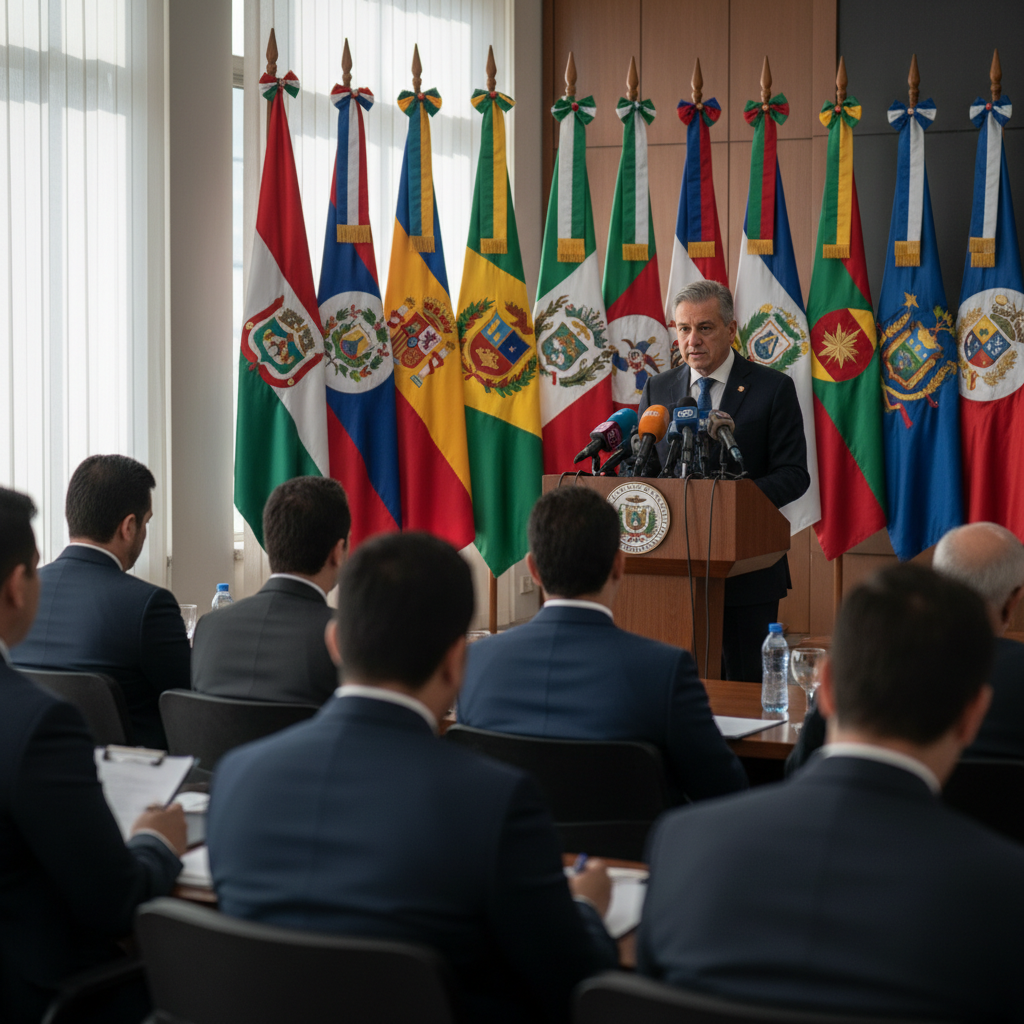
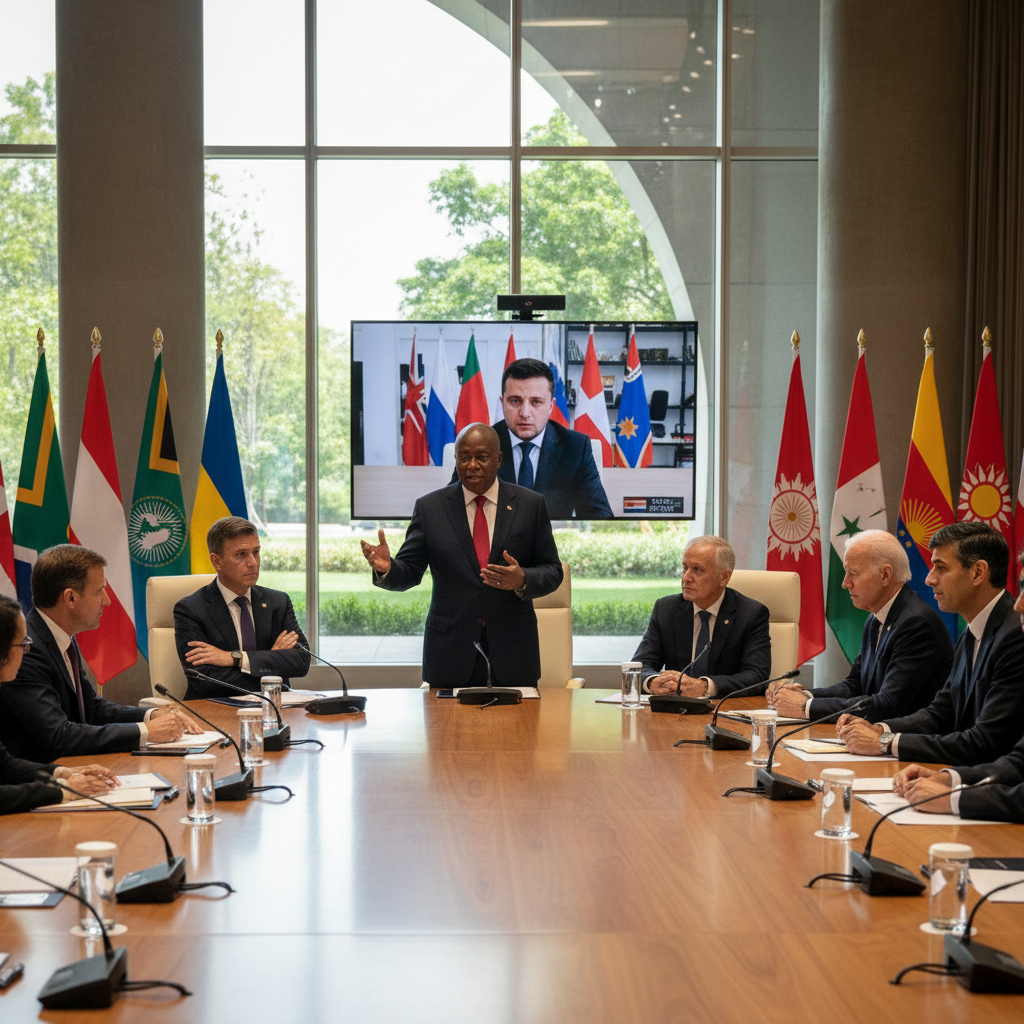
In this edition of the G20 South Africa Ukraine peace plan, a large international representation is participating: Emmanuel Macron, Narendra Modi, Li Qiang, Lula da Silva, Recep Tayyip Erdogan, and European Commission chief Ursula von der Leyen. All agree that peace cannot be negotiated without Ukraine’s active participation, as European officials remark, and they demand joint backing between Europe and NATO before any progress is made.
Experts consider that the United States initiative does not guarantee Ukrainian sovereignty as a priority. According to international analysts, Russia has taken advantage of these forums to legitimize its stance, while the international community tries to avoid escalation.
G20 South Africa Ukraine peace plan: Other crises on the table
Meanwhile, the stagnation in climate negotiations amplifies the sense of bewilderment. The G20 South Africa Ukraine peace plan, aimed at seeking consensus, also reflects frictions due to petrostates’ resistance to phase out fossil fuels at COP30. This highlights the difficulty of signing multilateral agreements under such polarized global contexts.
- The peace plan generates internal divisions
- Washington’s absence affects the global diplomatic balance
- COP30 exposes the complexity of building consensus on critical issues
G20 South Africa Ukraine peace plan: Perspectives and next steps
A follow-up meeting between the African Union and the European Union in Angola, announced after the G20 South Africa Ukraine peace plan, opens opportunities for greater dialogue. Pressure on Kyiv persists while a formal response to the U.S. proposal is awaited.
In conclusion, the G20 South Africa Ukraine peace plan illustrates the critical point the international community is experiencing, amid divergent interests, demands for transatlantic coordination, and the urgency of real solutions for conflicts and global challenges.