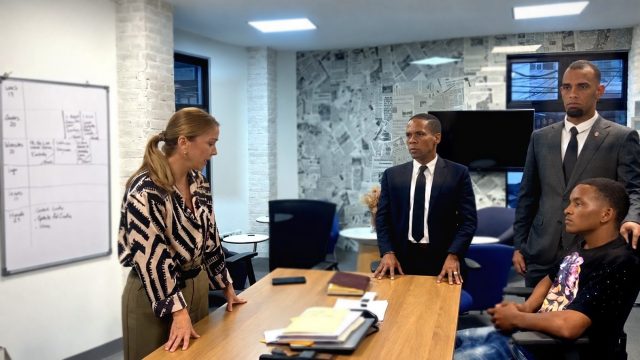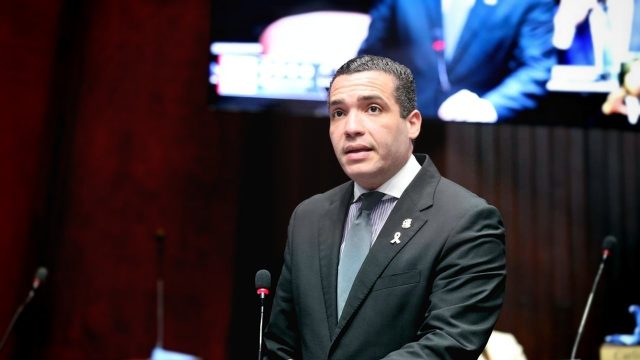
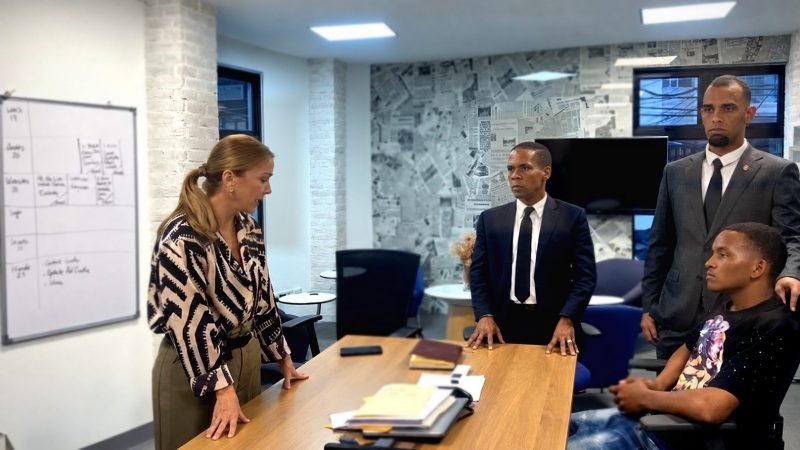

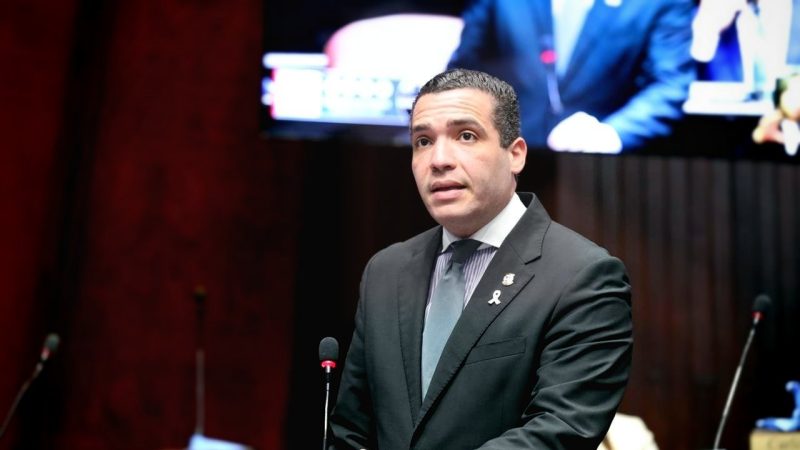
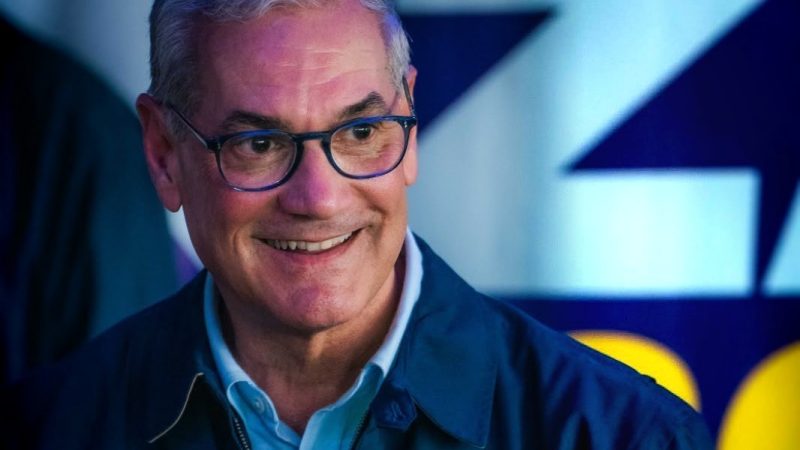


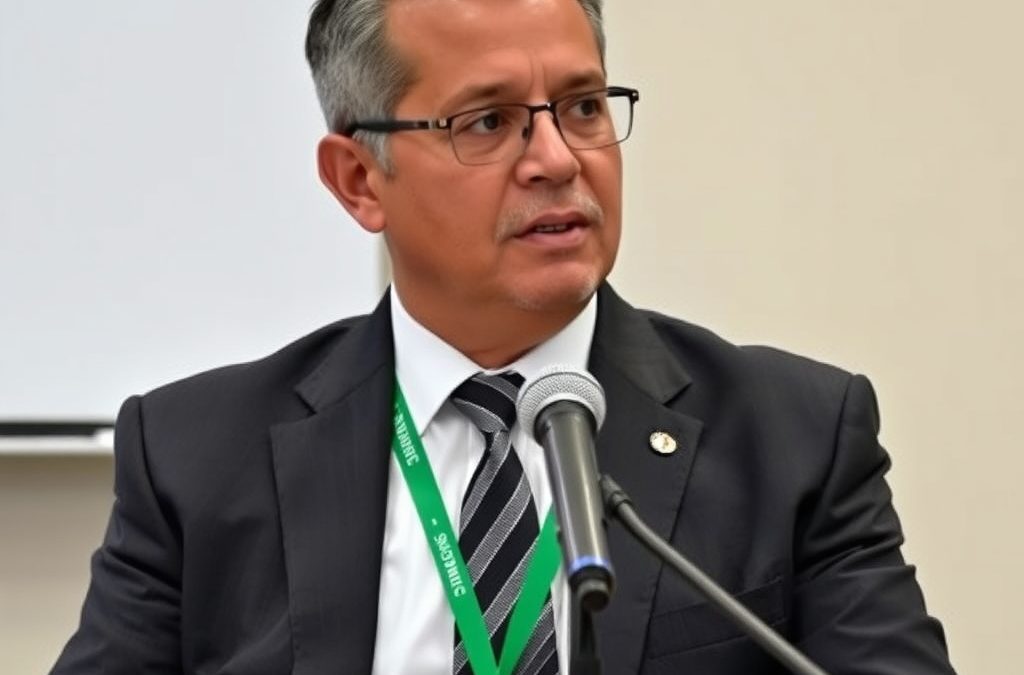
The Minister of Education, Luis Miguel De Camps, proposed the need to adapt the Dominican education system to the productive vocations of each province. De Camps argued that the formation linked to the field must be developed from the first stages through knowledge of sciences, mathematics, technology, sustainability, environment, and food production. “Productive vocations vary between regions and provinces”, the official stated.
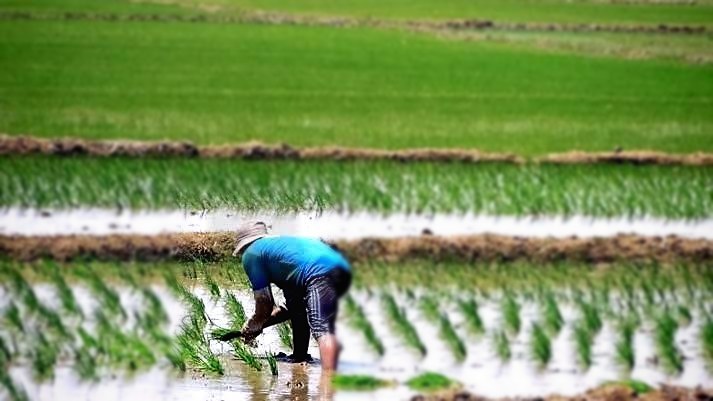
The proposal was presented during the XXVIII Meeting of Agricultural Sector Leaders, organized by the Dominican Agro-Entrepreneurial Board (JAD). De Camps participated in the panel “Human Capital Formation for National Agriculture and Agro-Industry”. The Minister reported that currently, there is formation linked to agriculture and agro-industry in 17 regional, 44 educational districts, and 51 polytechnics, with an enrollment of 2,610 students.
Development of agricultural education
De Camps considered that the challenge does not consist solely in increasing the number of students, but in determining where the educational offer should grow, what titles each territory requires, what competencies teachers need, and which workshops and laboratories are necessary to connect the formation with productive chains. In this direction, he indicated that the Ministry of Education is working on updating the curriculum offer of the agricultural professional family and on a portfolio of titles that responds to the new needs of production and transformation.
The official also proposed that the relationship between education and production should be anticipatory, so that the country can identify from now on the capacities that the agricultural sector will need within five or ten years. “Agricultural culture begins before: with sciences, mathematics, environmental education, sustainability, knowledge of the territory, technology, entrepreneurship, and understanding of the value that production and food have for the life of a society”, he expressed.
The technical-professional education
De Camps also argued that Technical-Professional Education should be understood as a legitimate and demanding trajectory that can lead to educational continuity, entrepreneurship, and professional development. The proposal places the connection between classrooms and the productive needs of each territory as one of the challenges for the formation of the human capital that the Dominican agro will require in the coming years.
Credits: n.com.do
Note generated automatically from the sources cited in the text. Found an error? Email us at [email protected] and we'll fix it.